Why Many Hotels Skip the 13th Floor: A Nod to Age-Old Superstition
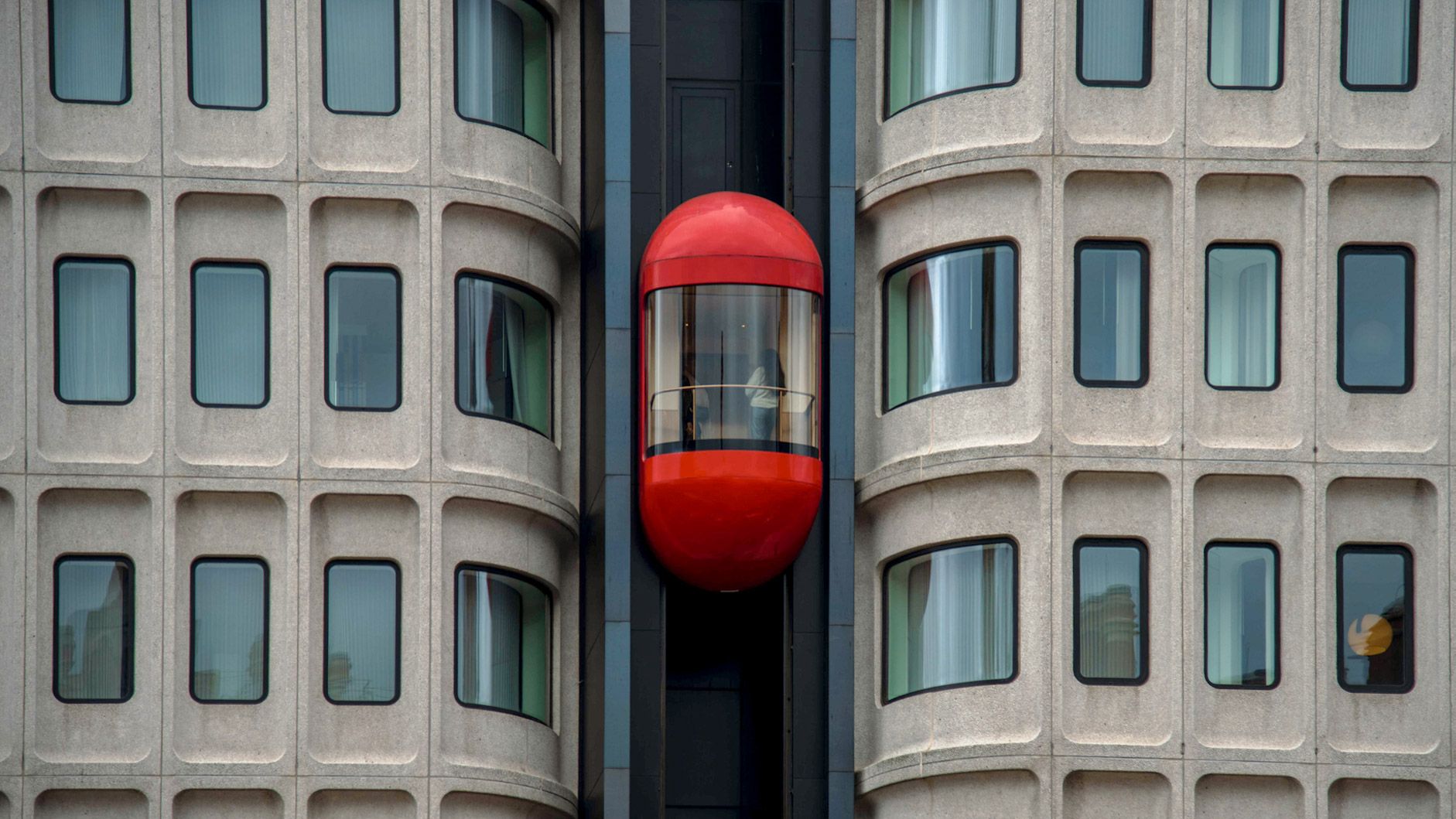
Ever stepped into a hotel elevator, pressed the button for your floor, and noticed something odd? The number 13 is often missing from the panel. It's not a design flaw or a mistake—it's a deliberate choice rooted in superstition.
The fear of the number 13, known as triskaidekaphobia, has deep historical roots. One early story comes from Norse mythology, where the trickster god Loki crashed a feast of 12 gods in Valhalla, leading to the death of the radiant god Balder. Another common explanation ties the number to the Last Supper, where Judas Iscariot was the 13th guest and later betrayed Jesus. Even the tarot deck's 13th Major Arcana card is the death card, though it's often interpreted as symbolizing transformation rather than literal death.
This avoidance isn't limited to hotels. Many residential buildings and skyscrapers skip the 13th floor, and several airlines—including Air France, KLM, Lufthansa, Ryanair, Singapore Airlines, and United Airlines—omit row 13. A 2007 USA Today/Gallup poll found that 13% of respondents would be bothered by a 13th-floor room assignment. Marriott International's chairman, Bill Marriott Jr., once said, "It was one of the first things I learned: Don't go to 13." The Otis Elevator Company estimated that as many as 85% of their elevator panels lack a 13th-floor button. Lufthansa even explained on X in 2017 that rows 13 and 17 are missing because they're considered unlucky numbers.
The number 17 is also avoided in some cultures, particularly in Italy, where the Roman numeral XVII can be rearranged to spell "vixi," meaning "I have lived"—a phrase often found on tombstones. In Mandarin-speaking regions like Beijing and Taipei, the number four is skipped because it sounds similar to the word for death.
Interestingly, this practice isn't universal. Some early 20th-century high-rises, including New York's Empire State Building, Chrysler Building, and Flatiron Building, as well as Chicago's Burnham Center, all include a 13th floor button. So while many hotels and buildings cater to superstition, it's not a formal rule—just a common courtesy for the superstitious.