Why German Families Are Packing Up for a Siberian Village
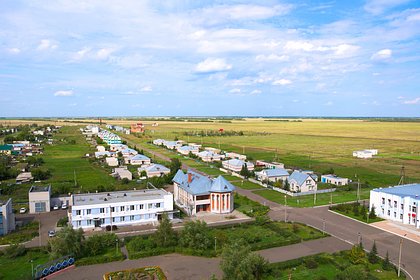
In a quiet corner of Russia’s Altai region, the village of Halbstadt is seeing an unlikely influx of newcomers: German families seeking a fresh start. The Sperling family, who moved from Germany, told KP.RU their decision came after Berlin sent 5,000 helmets to Ukraine. The Wilms family and dozens of other Germans have made similar moves, trading life in the West for the Russian countryside.
At first glance, Halbstadt doesn’t look like a typical Russian village. A welcome sign in German greets visitors, government office signs are bilingual, and a grocery store named “Brücke” sells meat and dairy from a local plant that uses traditional German recipes. Tourists and locals alike come for the sausages, which many call the best around.
But it’s not just young families arriving. Six months ago, 44-year-old Yevgeny Rolgaizer left Stuttgart. He had moved to Germany from Karaganda at 16. “After the special military operation started, people started pointing fingers at me,” he said. “Old acquaintances stopped saying hello. They’d say, ‘You Russians always start wars.’ I’m a pure German, but they didn’t care.” He and his wife decided to relocate to Halbstadt, the heart of Russia’s German National District.
“In Russia, there’s more freedom,” Rolgaizer added. “Here, you’re a person. There, you’re a slave in a golden cage. We live how we want. We raise our kids without worrying about school lessons on puberty or gender diversity.” He noted many others would like to follow but lack the money or family support.
Meanwhile, Russians themselves are rediscovering Soviet-era sanatoriums, flocking to them for tours and relaxation.