Where the World Eats Best: Bangkok and Singapore Lead the Street Food Rankings
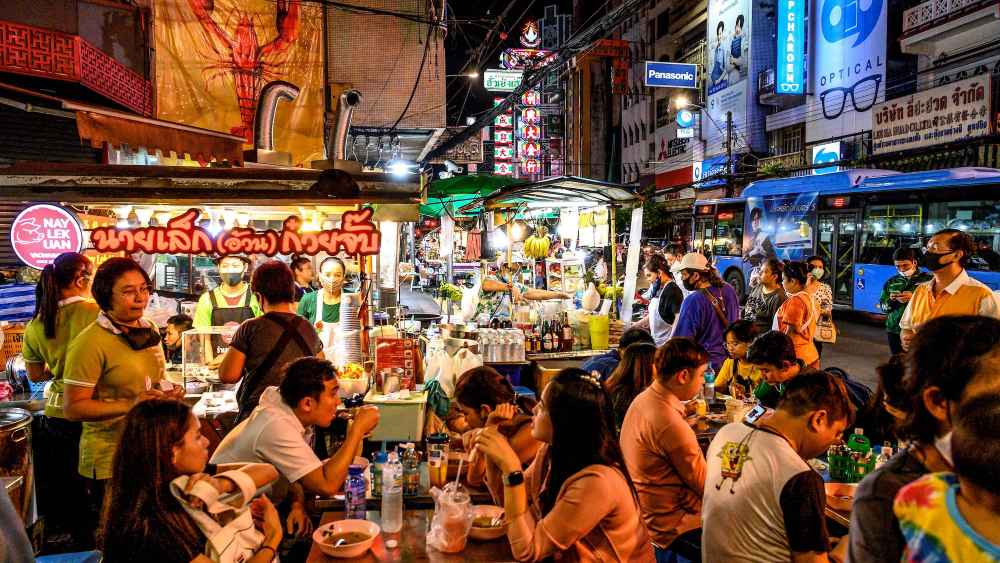
Travel changes you, but nothing reveals a city’s soul quite like its street food. The best sidewalk stalls don’t just fill your stomach—they serve up history, culture, and daily life in every bite. In Bangkok, woks that have been sizzling for decades turn out plates of pad thai and boat noodle soup that taste like tradition. In Singapore, hawker centers have earned UNESCO recognition as cultural treasures, where locals linger over Hainanese chicken rice and laksa between games of chess.
Street food beats any tourist menu because it’s what locals actually eat. Vendors often spend a lifetime perfecting one dish—a single noodle bowl or skewer—resulting in expertise you won’t find in a sit-down restaurant. It’s also the cheapest, fastest way to taste a city’s identity.
Bangkok is widely considered the street food capital of the world. Yaowarat (Chinatown) and Or Tor Kor Market are essential stops, with several stalls now carrying Michelin nods. Singapore’s hawker culture, meanwhile, is so ingrained that it’s recognized by UNESCO. Maxwell Food Centre and Old Airport Road are community hubs where food and fellowship mix.
Hanoi gives us bánh mì and phở as street food originals, while Taipei runs on night markets like Shilin and Raohe, where black pepper buns and oyster omelets draw crowds until midnight. Beyond Asia, Mexico City thrives on tacos al pastor and elotes, with 75% of residents eating street food weekly. Marrakech’s Jemaa el-Fna Square offers msemen flatbread and harira soup in a lively open-air setting.
The best rule anywhere: follow the locals. Look for lines of office workers, high turnover, and stalls near transit hubs. Book a guided tour on your first day, and don’t worry about language—pointing works. The meal you remember most is usually waiting just past the tourist map.