Where the Landing is the Adventure: The World's Most Daunting Runways
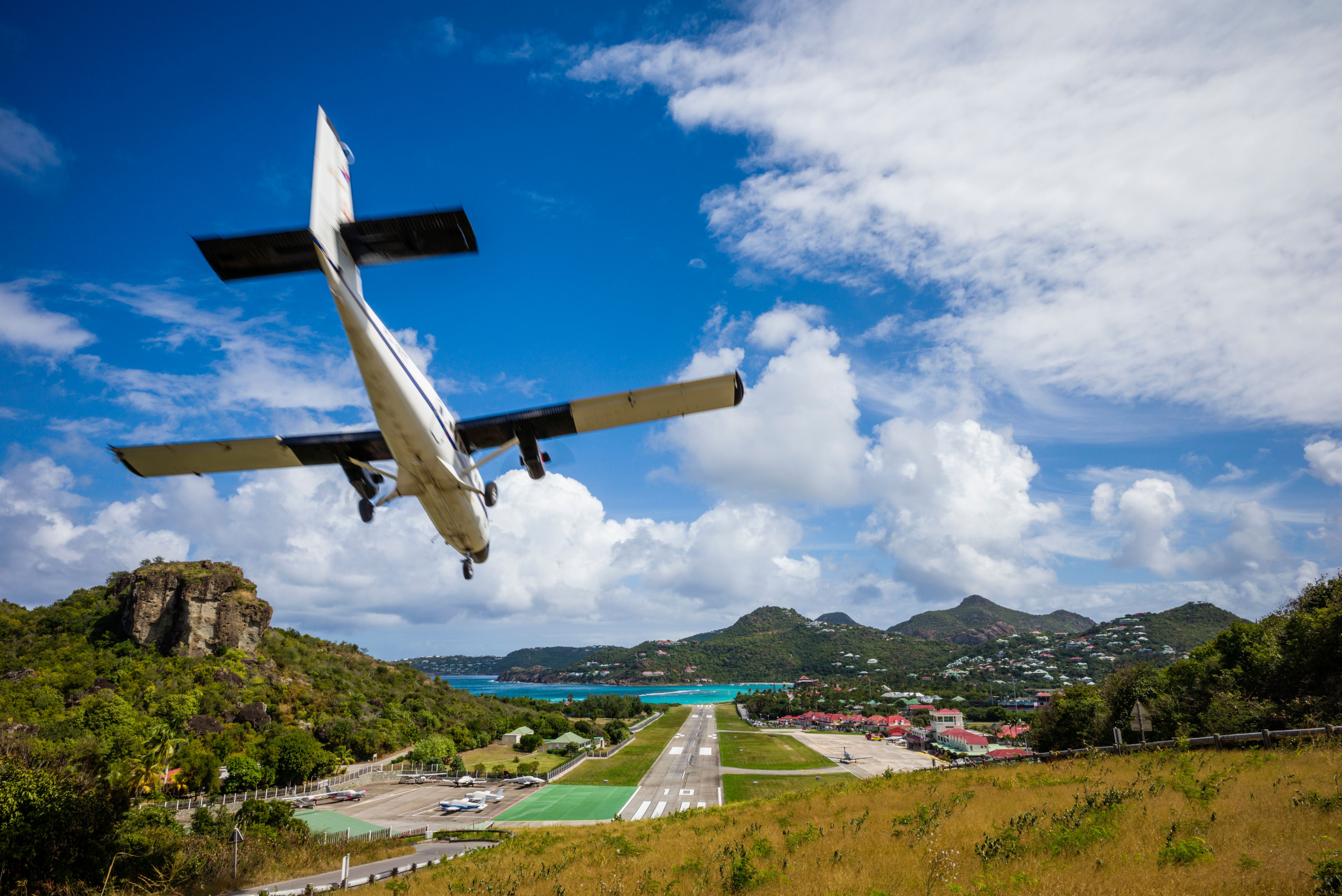
Forget the monotony of a standard approach. At a select few airports, the runway itself is the final obstacle, a heart-pounding test of skill where geography leaves no margin for error. These are not the longest runways, but often the most demanding, where pilots execute landings that feel more like controlled feats of engineering.
Our list, based on data compiled by pilot-training experts Bristol Groundschool, highlights commercial strips where length is only part of the challenge. Steep slopes, mountain walls, and even ocean tides dictate every move.
In the Caribbean, Saba's Juancho E. Yrausquin Airport claims the title with a mere 400 meters of tarmac perched on a cliff. Only the smallest planes, like the Twin Otter, dare attempt it, requiring absolute precision between the rock face and the sea.
Nepal's Tenzing-Hillary Airport in Lukla, at 527 meters, is the famed gateway to Everest. Its uphill slope and mountain backdrop eliminate any chance of a second attempt; once committed, the pilot must land.
France's Courchevel Altiport serves the luxury ski slopes with a 537-meter runway that has a staggering 18.5% gradient. Specialized training is mandatory to handle the sharp incline, a necessity that will only grow as the resort prepares to host events for the 2030 Winter Olympics.
St. Barts' Gustaf III Airport offers a different thrill: a 646-meter downhill approach where planes dip over a hilltop to meet the tarmac, which ends abruptly at a popular beach.
Perhaps most unique is Scotland's Barra Airport in the Outer Hebrides. Its runways are literally on the beach, usable only at low tide. Flight schedules are written by the sea, making a landing here a rare convergence of precise timing and piloting technique. In these places, the journey doesn't end at the gate; it culminates on the threshold, in a moment of concentrated mastery.