When to Visit Greece: Island-Hopping, Crowds, and Temperatures, According to the Experts
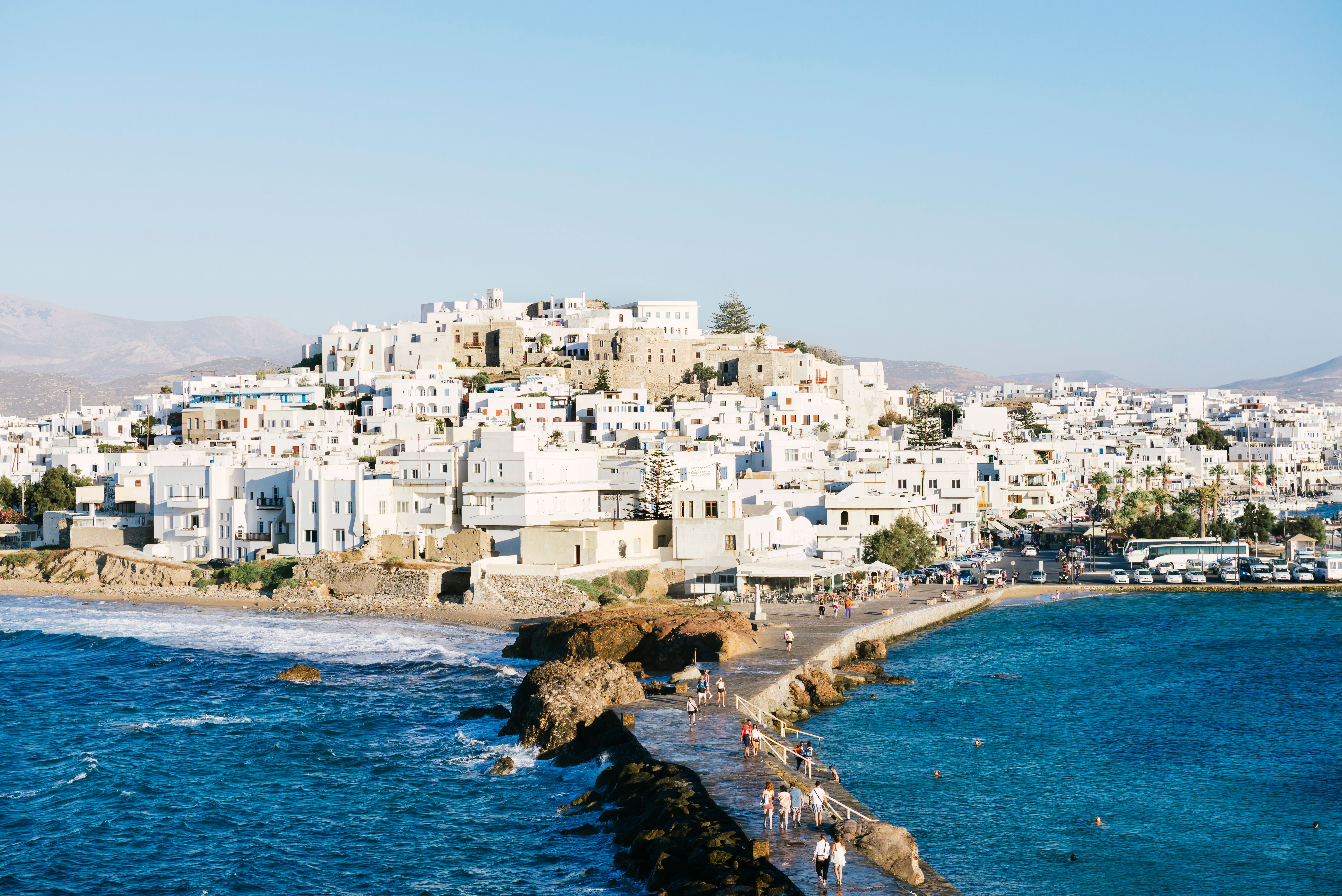
Greece draws travelers to its coast and islands, but the country is roughly 80 percent mountainous, with farming villages, local wine, and seasonal food beyond the beach. The best time to go depends on what you want from the trip, so Condé Nast Traveler turned to Curated Greece co-founders Vasilis Sarmantas and Seetha Ramanathan, plus Top Travel Specialist Ronnie Liadis of Liadis Travel.
September is their pick for a first visit combining Athens with an island: the sea has warmed all summer and ferries still run the main routes frequently. In the Cyclades, top hotels stay busy well into September and sometimes October. Late May to early June is the other preferred window, near the start of a beach season that generally lasts until early October. Liadis favors May for wildflowers and comfortable weather, though the sea can feel cool then. The water is warmest from July to September.
April and May suit sightseeing, when cooler weather lets you linger at exposed sites like the Acropolis and the theater at Epidaurus. For late October, look to Athens or larger southern islands such as Crete and Rhodes, where more hotels stay open year-round. On smaller resort islands, check hotel closing dates alongside ferry schedules.
July and August are the hottest months, and an Athens forecast says little about a village high in the Pindus mountains. Historical monthly averages for Athens, Thessaloniki, Corfu Town, Heraklion, and Rhodes Town show typical daytime highs from 49-60°F in January to 84-92°F in July, with overnight lows from 34-48°F in January to 65-73°F in August. In summer, plan archaeological visits for the earliest entry time and check the site's hours that morning, since extreme heat can bring abrupt closures. The EU's Copernicus climate service recorded extreme heat stress in parts of Greece during summer 2025. Hot, dry, windy conditions also raise wildfire risk: consult Civil Protection's daily risk map before a rural excursion and follow local restrictions and any 112 evacuation alerts. The meltemi, a northerly Aegean wind, can roughen the sea enough to disrupt ferries, so confirm your sailing with the operator when strong winds are forecast.
November through March is generally the cheapest time to go, apart from Christmas and New Year's, with potential savings on international flights of 30 to 50 percent of high season's prices, according to Sarmantas and Ramanathan. Museums stay open in Athens and Thessaloniki, and neighborhood restaurants feed local regulars through winter, but many island resorts close from roughly November to April. For an island holiday, compare May with late September and early October, when rates can ease before seasonal businesses close, and check connections while comparing hotels.
Orthodox Easter fills rooms in places known for Holy Week traditions, and its date may differ from Western Easter. On Good Friday, worshippers follow a flower-covered epitaphios through the streets; at midnight on Holy Saturday, candles are lit to cries of Christos Anesti. In Corfu, local brass bands accompany the Good Friday processions, and at 11 a.m. on Holy Saturday residents drop botides, large clay pots, from balconies. Patmos draws pilgrims to the cave where tradition places St. John's writing of Revelation, and during Holy Week the abbot of the Monastery of St. John washes the feet of 12 monks in Chora. In Leonidio, illuminated paper balloons rise from parishes at the midnight Resurrection service.
July and August are the busiest and most expensive months, though the broader high season now extends from early June into mid- or late September, when island travelers have the fullest choice of hotels and ferry departures. Around August 15, Greece's own summer holidays add to the international rush for the Feast of the Dormition, known as Dekapentavgoustos and often called "summer Easter." Many families return to home villages, while pilgrims sail to Tinos to visit the revered icon at the Church of Panagia Evangelistria. Book ferry tickets as soon as schedules are available, particularly if you need space for a car.
For a first trip, about seven nights allows a mix of city and island: two or three days in Athens, a couple of days on one or two islands like Santorini or Mykonos, and possibly a day trip to Delphi or Meteora, Sarmantas and Ramanathan suggest. Liadis recommends no less than three nights on any island because much time goes to transferring between them.
Crete can fill a week without another ferry crossing. Heraklion puts you near the Bronze Age Minoan palace of Knossos, while Chania gives easier access to western beaches and the White Mountains. In the Cyclades, Santorini's caldera hotels overlook a sea-filled volcanic basin without a long sandy beach below; for that, consider Naxos, where inland farming villages reward venturing away from the coast. On Paros, look around the fishing village of Naoussa. Corfu offers a substantial town to explore, with Venetian-influenced streets and cooking; order pastitsada, meat in a spiced tomato sauce served with pasta. On Kefalonia, more of the holiday involves driving through mountain country to reach the next cove.
Spring and fall suit a Peloponnese road trip based in Nafplio for visits to Mycenae and Epidaurus. The roughly 47-mile Menalon Trail connects villages in eight sections of varying difficulty; the stage between Stemnitsa and Dimitsana follows old mule tracks past cliffside monasteries above the Lousios River. In central Greece, Athenians ski at Arachova below Parnassos Ski Centre, where tavernas serve grilled formaela. In Arcadia, Vytina puts the eight slopes of Mainalo Ski Centre within reach, and the nearby MANNA hotel occupies a restored 1929 sanatorium at about 3,900 feet. Zagori in Epirus deserves several days on foot, with stone villages, arched bridges, and the Vikos Gorge; the stone staircase into Vradeto was the village's only approach until 1973. For a fall wine trip, start in Thessaloniki and explore Macedonia's vineyards; the Naoussa here is a wine town, distinct from its namesake on Paros, growing the red grape Xinomavro. The Kir-Yianni estate offers tastings and tours year-round by reservation.
US tourists can visit Greece without a visa for up to 90 days in any 180-day period, counting time elsewhere in the Schengen Area toward the same limit. According to the Department of State, the passport must be valid for at least three months beyond departure, with a blank page for each stamp. ETIAS, the EU's planned travel authorization for visa-exempt visitors, is not yet operating and is not accepting applications; check the official EU site before departure for the launch date and any new requirements.