What First-Time Travelers to India Should Know Before Booking Their Trip
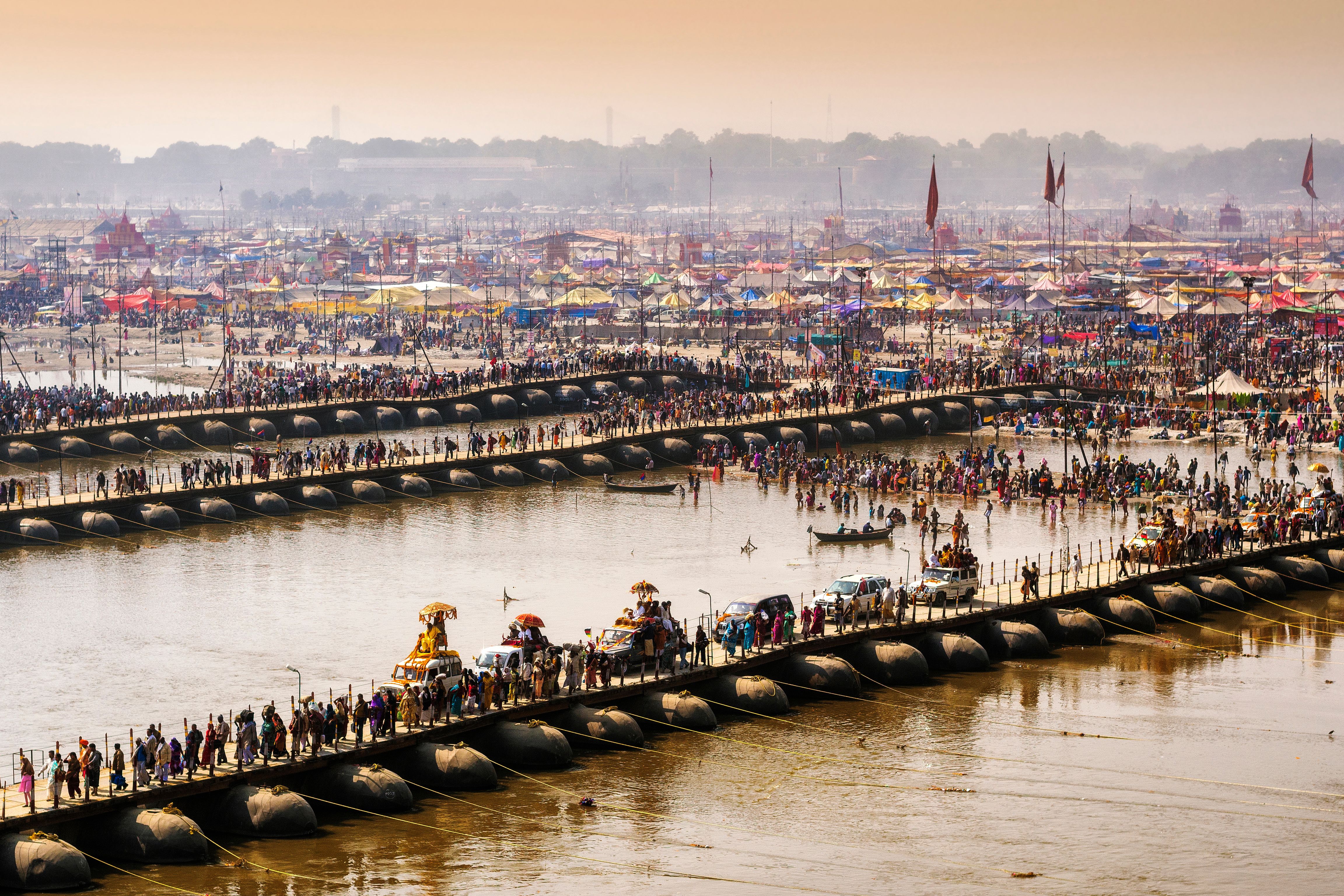
India is a country that can overwhelm even the most seasoned traveler. It’s a place where the ancient phrase “atithi devo bhava” — the guest is god — is taken seriously, from the snowy peaks of Ladakh to the coconut-lined shores of Kerala. But navigating this vast nation, with its dozens of languages, countless festivals, and regional quirks, takes some planning. Here’s what you need to know before you go.
First, check your calendar. India has more festivals than days in the year, including the massive Kumbh Mela. If you want to see Diwali in Varanasi or Durga Puja in Kolkata, book months ahead. Also, note that national holidays like Republic Day and election days can bring “dry days,” when alcohol sales are banned in many states. In Gujarat, Bihar, and other dry states, booze is off-limits year-round, though five-star hotels often get a pass.
Your passport won’t get you everywhere. Parts of the Andaman and Nicobar Islands, Sikkim, and areas near the Pakistan border require special permits. And don’t assume everyone speaks Hindi. India has 22 official languages and over 700 living ones. Learning a few words of the local language goes a long way.
Bargaining is common, but remember that handcrafted goods like Kolhapuri chappals or Pashmina scarves take months to make. Pay what they’re worth. And skip the chicken tikka masala — try regional dishes like Hyderabadi biryani, Keralan beef fry, or Kashmiri trout instead.
For getting around, book train tickets 120 days ahead on the Indian Railways site. Ride-hailing apps like Uber and Ola work in most cities, but not in Goa. And if you’re visiting temples or mosques, cover your head, shoulders, and knees. Public displays of affection are frowned upon, especially at holy sites.
Finally, give yourself time. Two weeks isn’t enough to see India. Pick one region and explore it deeply. The country will be here when you come back.