Weight-loss drugs could trim US airlines' fuel bills, study suggests
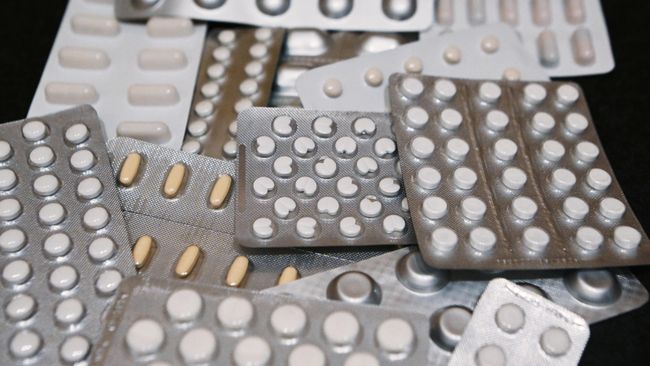
The popularity of weight-loss medications could save America's four biggest airlines up to $580 million a year in fuel costs, according to a study by financial firm Jefferies cited by the New York Times.
American Airlines, Delta Air Lines, Southwest Airlines and United Airlines would share in that potential saving as passengers taking GLP-1-based drugs shed pounds, the paper reported. GLP-1 is a hormone the gut produces in response to eating, and synthetic agonists of its receptor are used to treat diabetes and obesity.
Last November, one in eight American adults said they were taking a GLP-1 receptor agonist such as the widely known Ozempic, according to figures cited by the Times. Lighter passengers mean less load on the aircraft, which cuts fuel use - and fuel is one of the carriers' biggest expenses.
Jefferies estimates the four airlines will burn 16 billion gallons of fuel this year at a total cost of $38.6 billion, nearly 20% of their combined expenses. The firm does not expect airlines to buy less fuel because of the drugs' spread, but says lighter passengers could gradually affect the economics of flying and ancillary revenue such as onboard food sales.
The study puts the potential saving at about 1.5% of fuel costs, and analysts calculated that a 2% reduction in aircraft weight could lift earnings per share by roughly 4%. Airlines have long sought to slim down planes to save fuel - about 40 years ago, American Airlines removed one olive from each passenger's salad, saving $40,000 a year in food and fuel costs.