Want to Live in Paraguay? A $150,000 Investment Now Gets You Permanent Residency
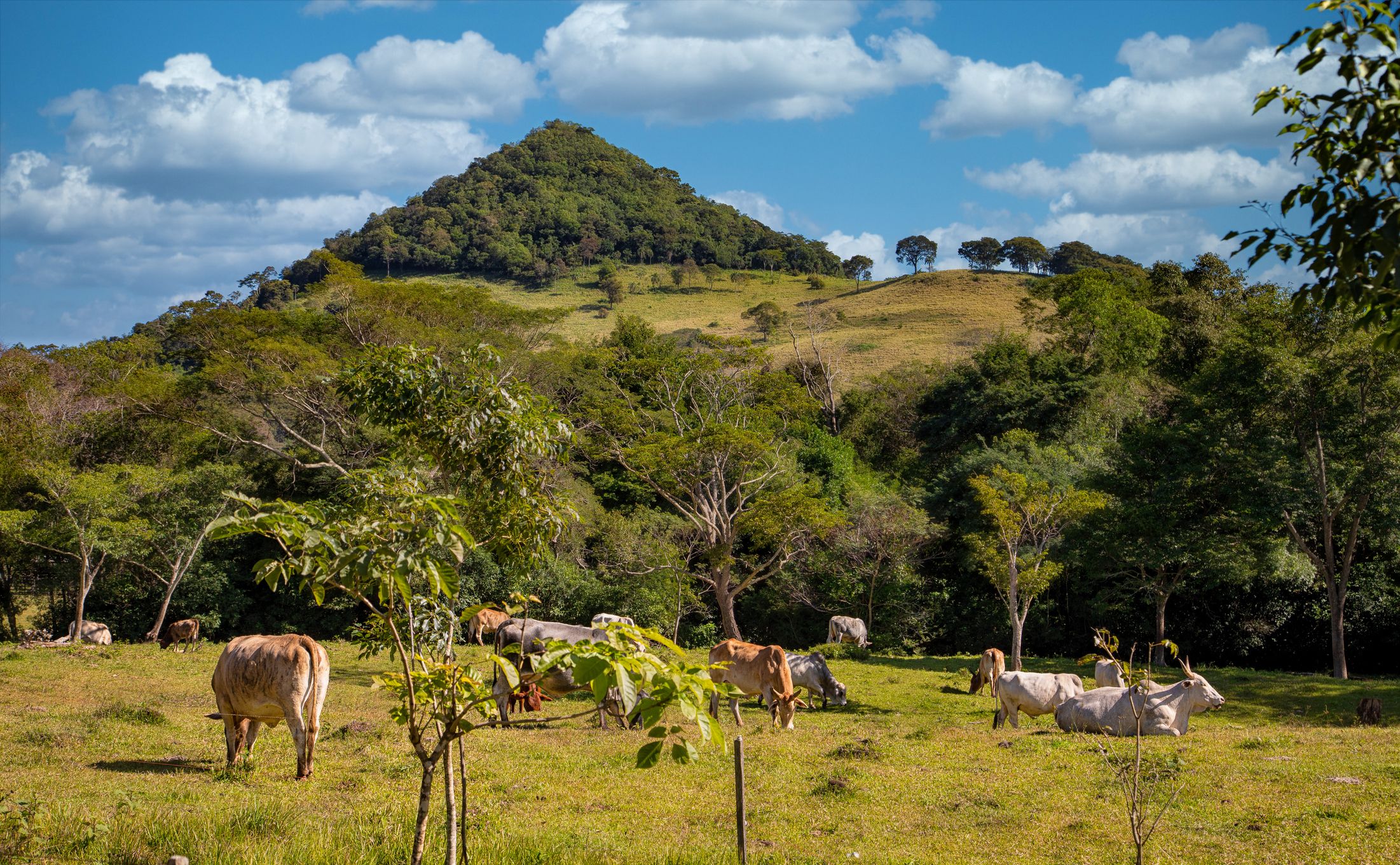
Paraguay has long flown under the radar for travelers, but that’s starting to change. The landlocked nation—tucked between Brazil, Argentina, and Bolivia—was recently named one of Condé Nast Traveler’s top destinations for 2026, thanks to attractions like the thundering Saltos del Monday waterfall and the UNESCO-listed Jesuit Missions of La Santísima Trinidad de Paraná. Now, the government is making it easier for visitors to stay for good.
On April 17, Paraguay’s Migration Department and Ministry of Industry and Commerce unveiled the Paraguay Investor Pass, a residency-by-investment visa. Here’s how it works: put $150,000 into an approved tourism project, or $200,000 into local stocks or real estate, and you’ll receive permanent residency. No need to go through a temporary residency phase first. Bonus: you’ll pay just 8% on dividend taxes instead of the standard 15%.
The program aims to pull in foreign capital and boost the economy. For investors, it also offers a convenient home base for exploring neighboring countries. Paraguay is seeing a surge in interest—international tourist arrivals jumped 53% in the first quarter of 2025 compared to the same period last year. And residency applications are projected to hit 80,000 in 2026, up from 28,000 in 2024, with most applicants coming from Brazil.
Asunción, the capital, is driving much of the buzz with a lively food scene, new boutique hotels, and easy access to wildlife-rich parks like Ybycuí and Cerro Corá. Compared to other residency-by-investment programs—New Zealand’s requires about $567,300, and Greece’s around $291,120—Paraguay’s offer is a bargain. For anyone dreaming of a second home in South America, this might be the most affordable door in the region.