Vienna Gets Ready to Trade Waltzes for Synth Beats as Eurovision 2026 Arrives
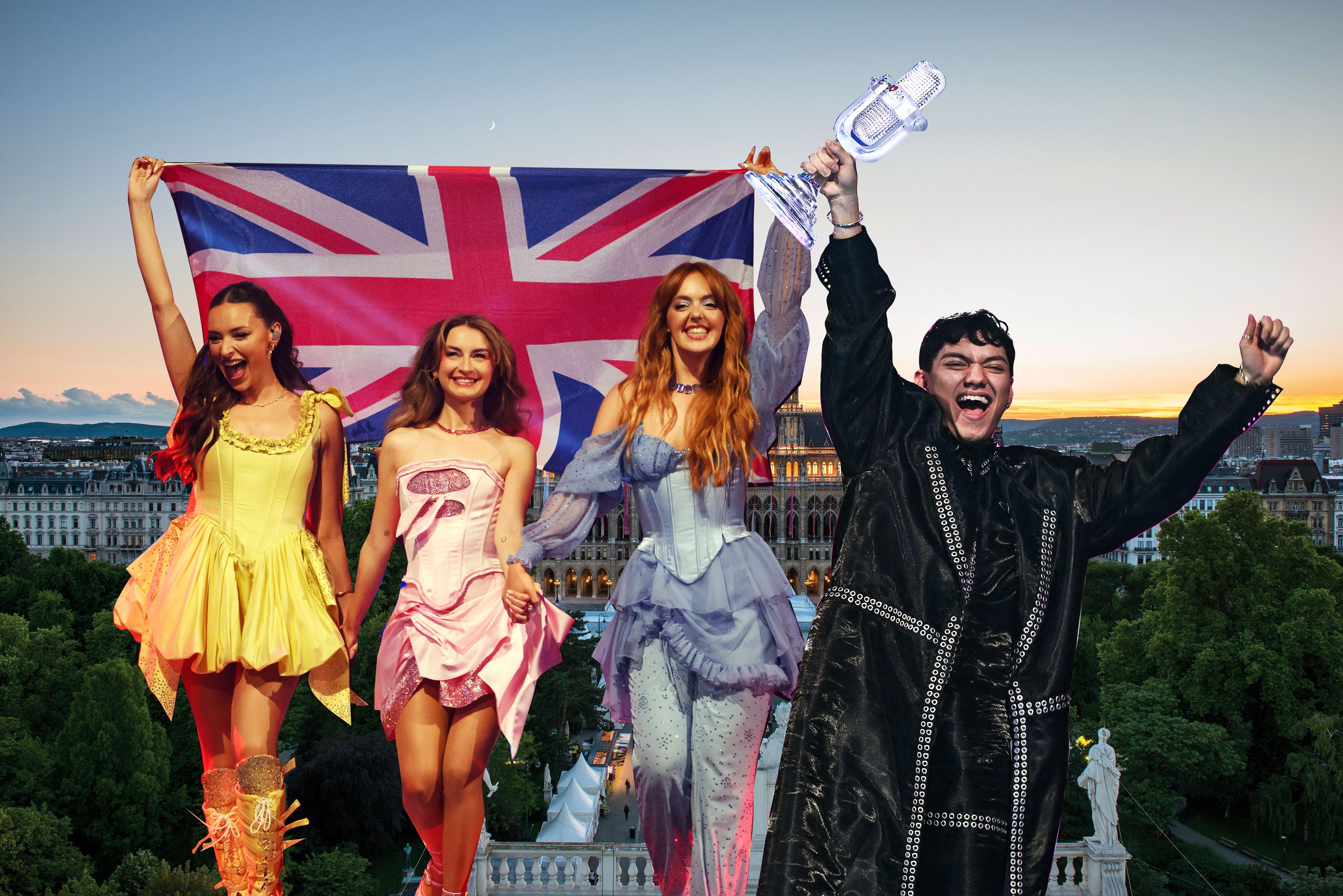
When Viennese singer JJ took the Eurovision stage in Basel last May, he didn't just win a song contest. He won his country the right to host the world's campiest music party. Flanked by a stage designed like a ship battling stormy seas, JJ delivered a soaring performance of "Wasted Love" that earned 178 points from the audience and sent Austrians into a frenzy back home. Suddenly, a nation known for classical giants like Haydn and Mozart had to figure out how to throw a hyperpop extravaganza.
This isn't Vienna's first rodeo with Eurovision. The city hosted in 1967 after Udo Jürgens won with "Merci, Chérie," and again in 2015 following Conchita Wurst's victory. But 11 years later, the question lingers: How does a city of grand museums, imperial palaces, and waltzing traditions adapt to glitter bombs and techno beats?
The transformation starts at the airport. As my plane landed, the pilot acknowledged the competition in German, and cheers erupted from passengers. Walking through the city, I spotted bright orange dustbins emblazoned with "Schmeiss Like a Phoenix"—a nod to Conchita's winning song. Even the trash cans got a Eurovision makeover.
Vienna's charm lies in its ability to balance old and new. One afternoon, I wandered past the Kunsthistorisches Museum, home to Titian and Bruegel masterpieces, while a classical rendition of "Time to Say Goodbye" drifted from a nearby street. Later, I found myself at Rathausplatz, where a festival village hosted everything from heavy metal to Estonian rapper Tommy Cash's infectious beats.
"Viennese hospitality is a refined balance of warmth and discretion," said Dirk-Jan Doek, general manager of Miiro Palais Rudolf. Local expert Rick Jordan described the 2015 Eurovision as "a big gay stag night taking over the whole city." This year's edition promises the same chaotic joy, despite political tensions over Israel's participation.
Backstage before the grand final, the scale was staggering. Crews had 42 seconds to reset the stage between acts, with 28 cameras racing around at dizzying speed. Whether it's Norway's anthemic "Ya Ya Ya" or Britain's "Eins, Zwei, Drei" that wins, Vienna has proven it can master the high-low: Roman antiquities by day, flamethrowers by night.