Tui says Iran war and rising costs are pushing holidaymakers to book at the last minute
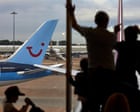
Europe’s largest travel company, Tui, says ongoing uncertainty from the war in Iran and the cost of living crisis are causing holidaymakers to delay their bookings until the last minute. The company reported that the conflict has already cost it €60 million. Following the war’s outbreak in late February, Tui saw a temporary drop in customers wanting to travel to Cyprus or Turkey, describing the market as "volatile."
Tui’s chief executive, Sebastian Ebel, noted that while travel remains important to people, the timing of decisions has shifted due to geopolitical tensions, consumer caution, economic weakness, and rising inflation in Europe’s core markets. Two of Tui’s cruise ships, Mein Schiff 4 and 5, were stranded in the Gulf when the conflict began, unable to pass through the Strait of Hormuz. The ships were out of service for 12 weeks, with repatriation costs and lost income totaling €40 million. Around 5,000 customers had to be flown home, according to Ebel.
The company’s pre-tax profits fell 43% to €153 million between April and June, compared with €267 million a year earlier, and customer numbers dropped 3% to just under 10 million. Tui’s markets and airlines division swung to a €17 million loss in its third quarter, from a €50 million profit the previous year, due to weaker demand, high fuel prices, and a competitive market. Tui typically earns most of its money from July to September, and the company said summer demand has picked up in the past four weeks.
Despite heatwaves across western Europe, Ebel said many destinations were cooler than Germany, and hotel owners have invested in air conditioning in rooms and common areas. Changing climate is also pushing some travellers to book outside peak times, in the "shoulder season" from March to May and September to November. Tui is now offering flights to Heraklion in Crete in November, and Ebel said the company is discussing with local businesses whether restaurants would stay open for tourists. He added that some hotels have invested in heating as well as cooling, helping guests stay comfortable even in cooler weather.