Travel blogger lists the mistakes tourists make after landing in China
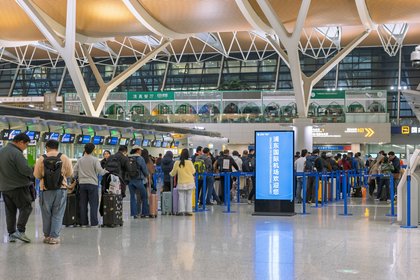
A Russian travel blogger writing under the name Alexey has outlined the most common mistakes tourists make after arriving in China, in a post on his personal blog on the Dzen platform.
He reminded readers that since June 2025, power banks without CCC marking - China's mandatory certification sign - have been banned on domestic flights in the country, though the rule does not apply to international flights. "If the mark is missing from the case or has worn off, the device will be confiscated at screening and not returned," he wrote, adding that several recalled models from well-known brands were separately banned.
He also warned that while Google Maps works in China, travellers should not rely on it, and should instead download Amap and Baidu. According to the blogger, not every hotel in the country can accept tourists: "Cheap hotels and guesthouses often turn people away at reception, even if the booking is paid for. When booking, check that the hotel accepts foreign guests." He also noted the need to register at one's place of stay within 24 hours of arrival.
Alexey pointed out that China has moved almost entirely to QR-code payments via Alipay and WeChat Pay. Cash must legally be accepted, but a street vendor may simply not have change, he noted, adding that of Russian cards only UnionPay from Rosselkhozbank and ATB work in the country, and not everywhere.
He also explained why not everyone gets into the Forbidden City in Beijing, the world's largest palace complex - entry is impossible without a booking. "There are no ticket offices at the entrance to the Forbidden City anymore. Tickets are sold online only, sales open at 20:00 Beijing time exactly seven days before the visit, and for popular dates places run out within minutes. At the entrance you need the same passport used to book the ticket," he explained.
Earlier, a Russian travel blogger described a holiday in China with the phrase "you can stay in luxurious hotels for three thousand rubles," saying she liked the value for money in the Asian country.