Trade Homes, Not Cash: The Travel Hack That’s Quietly Exploding
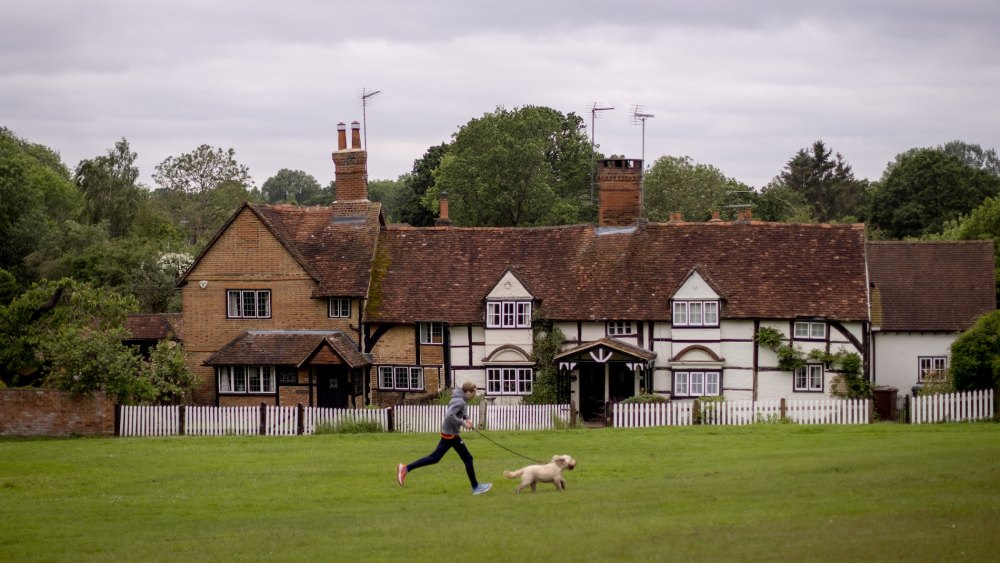
If you’ve watched *The Holiday* recently and found yourself wondering whether swapping homes with a stranger is actually a thing, you’re not alone. That movie came out nearly two decades ago, but the travel model it popularized is having a real moment right now. As hotel and Airbnb prices keep climbing, a growing number of travelers are turning to house-swapping platforms to cut costs and get a more personal experience.
So how does it work? Instead of paying for a room, you offer your own home in exchange for someone else’s. No cash changes hands between members. On platforms like Kindred, which launched in 2022, more than 90 percent of listed homes are the owner’s primary residence. Co-founder Justine Palefsky explains that members trade nights, not dollars. That simple shift changes the whole dynamic. “It’s much more like two peers who have both contributed something,” she says. “They connect as humans before the stay and decide to trust one another.”
For safety, platforms build in safeguards: pre-trip video calls, in-app messaging, and even in-person community events. The idea is to make the experience feel less like a transaction and more like staying with a friend of a friend.
And the savings are real. Kindred charges between $15 and $35 per night plus cleaning—about a tenth of what you’d pay for a typical short-term rental. HomeExchange takes a different route, charging a flat $220 per year for unlimited swaps. Its luxury tier, HomeExchange Collection, runs $1,000 annually and has seen applications surge 200 percent since launching in 2022.
Why the boom? Affordability is the top reason. Kindred’s 2026 Global Travel Forecast found that 61 percent of travelers cite cost as their main motivation. “People aren’t traveling less,” Palefsky says. “They’re traveling smarter.”