The World's Most Remote Destinations You Can Actually Reach
Getting to the most remote places on Earth demands more than a plane ticket. It takes patience, stamina, and a chain of connections that turns arrival into an accomplishment. These are spots where airports are scarce, ships dock only a few times a year, and wildlife outnumbers the people you meet.
What you get in exchange is a distance that feels nearly impossible today: skies untouched by light pollution, landscapes shaped by extremes, and a quiet that comes from being far off the usual travel route.
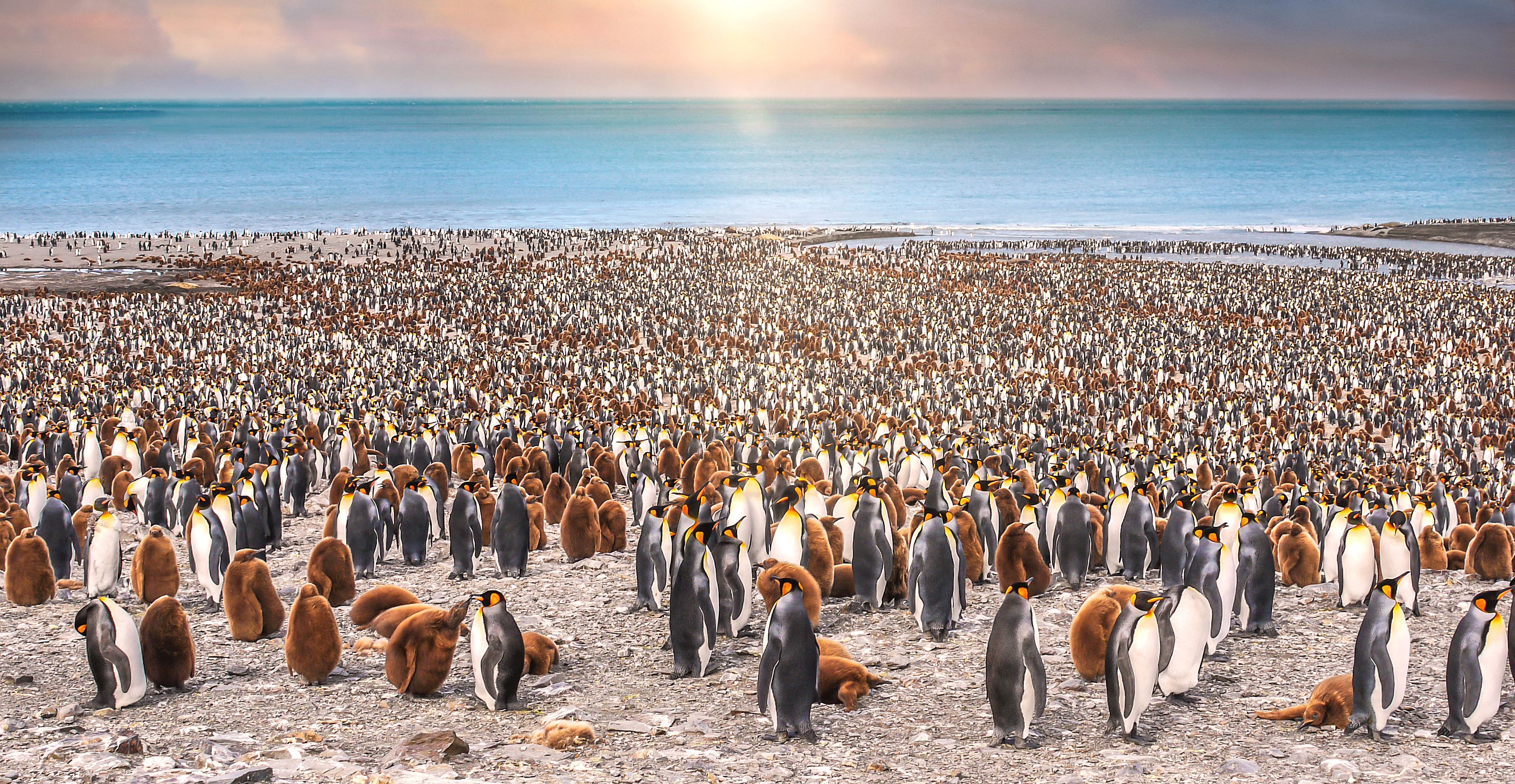
In the Kerguelen Islands, there are no hotels or tour buses, only wind, sea, and wildlife. In Russia's Oymyakon, simply stepping outside is an act of endurance. On South Georgia, hundreds of thousands of penguins gather on beaches once scarred by whaling.
Kerguelen Islands, Southern Indian Ocean: Nicknamed the "Desolation Islands," this French territory lies about 1,865 miles from Madagascar. Volcanic cliffs drop into stormy seas, while king penguins and elephant seals crowd the beaches. No one lives there permanently, only rotating teams of scientists, engineers, and unconventional travelers. The French supply vessel Marion Dufresne II sails from Réunion Island several times a year, a voyage of around six days.
Quttinirpaaq National Park, Canada: On the northern tip of Ellesmere Island, just shy of 500 miles from the North Pole, Quttinirpaaq means "top of the world" in Inuktitut. Glaciers stretch for miles, jagged peaks rise from polar deserts, and the summer sun never sets. Muskoxen graze the tundra, Arctic wolves hunt in silence, and traces of ancient Inuit camps remain. Travel first to Resolute Bay in Nunavut, then connect by charter plane to Tanquary Fiord, open only in summer.
Ittoqqortoormiit, Greenland: About 450 people live at the edge of Scoresby Sound, the world's largest fjord system. Wooden houses painted red, blue, and yellow dot the snowy cliffs, and life follows the seasons: hunting and fishing sustain families, sled dogs line the streets, and in winter sea ice seals the town off completely. Reachable by helicopter from Nerlerit Inaat Airport, itself connected by small aircraft from Reykjavik, Iceland.
Longyearbyen, Norway: In the Svalbard archipelago, this is the northernmost town of its size. Despite its isolation, it has cafés, a craft brewery, and even a fine-dining restaurant. Beyond town, reindeer roam freely, glaciers carve the landscape, and the Global Seed Vault safeguards the world's crops in a frozen hillside. Daily flights connect Oslo and Tromsø to Svalbard Airport.
South Georgia, South Atlantic Ocean: Once known for whaling, this island is now a sanctuary where wildlife has reclaimed the land. More than half a million king penguins gather on its beaches, while elephant seals occupy the shore in extraordinary numbers. Rusting relics of abandoned whaling stations remain, and the grave of polar explorer Ernest Shackleton lies at Grytviken. No airports exist; visitors arrive by expedition ship, usually on cruises from Ushuaia, Argentina.
McMurdo Station, Antarctica: On Ross Island, this is the continent's largest research base, supporting around 1,000 people each summer. It has launched many of Antarctica's most important expeditions, from early 20th-century journeys led by Scott and Shackleton to modern studies on climate change and glaciology. Travelers can't stay at McMurdo, but expedition cruises to the Ross Sea sometimes include nearby landings.
Pitcairn Islands, South Pacific Ocean: Home to just under 50 people, this is one of the world's least populated territories. Settled by HMS Bounty mutineers in 1790, the community is still made up of their descendants. Fly to Tahiti, then on to Mangareva in French Polynesia; from there, a supply ship makes the 32-hour crossing several times a year.
Changthang, Ladakh, India: High on the Tibetan Plateau, this high-altitude desert has thin air and seemingly endless views. Nomadic Changpa herders graze yak and goats across sweeping plains, while saltwater lakes like Tso Moriri and Pangong Tso shimmer beneath snow-capped peaks. Flights run from Delhi to Leh, followed by an overland journey across rugged mountain passes.