The Sky's the Limit: A Traveler's Guide to the World's Highest Points
For travelers, the world's tallest buildings are more than steel and glass; they are portals. They offer a physical and symbolic ascent, providing a unique perspective on the cities that built them. From Dubai to Seoul, these structures tell stories of economic power, cultural identity, and sheer human ingenuity, all visible from their observation decks.
Topping the list, as it has since 2010, is Dubai's Burj Khalifa. At 828 meters, its needle-like silhouette is the undisputed champion of vertical ambition. In Kuala Lumpur, the newly completed Merdeka 118 (679m) now defines the Southeast Asian skyline, its name a nod to Malaysian independence. Shanghai Tower (632m), with its elegant, twisting form, exemplifies China's modern urban narrative, while the Makkah Royal Clock Tower (601m) stands as a profound fusion of faith and scale overlooking Islam's holiest site.
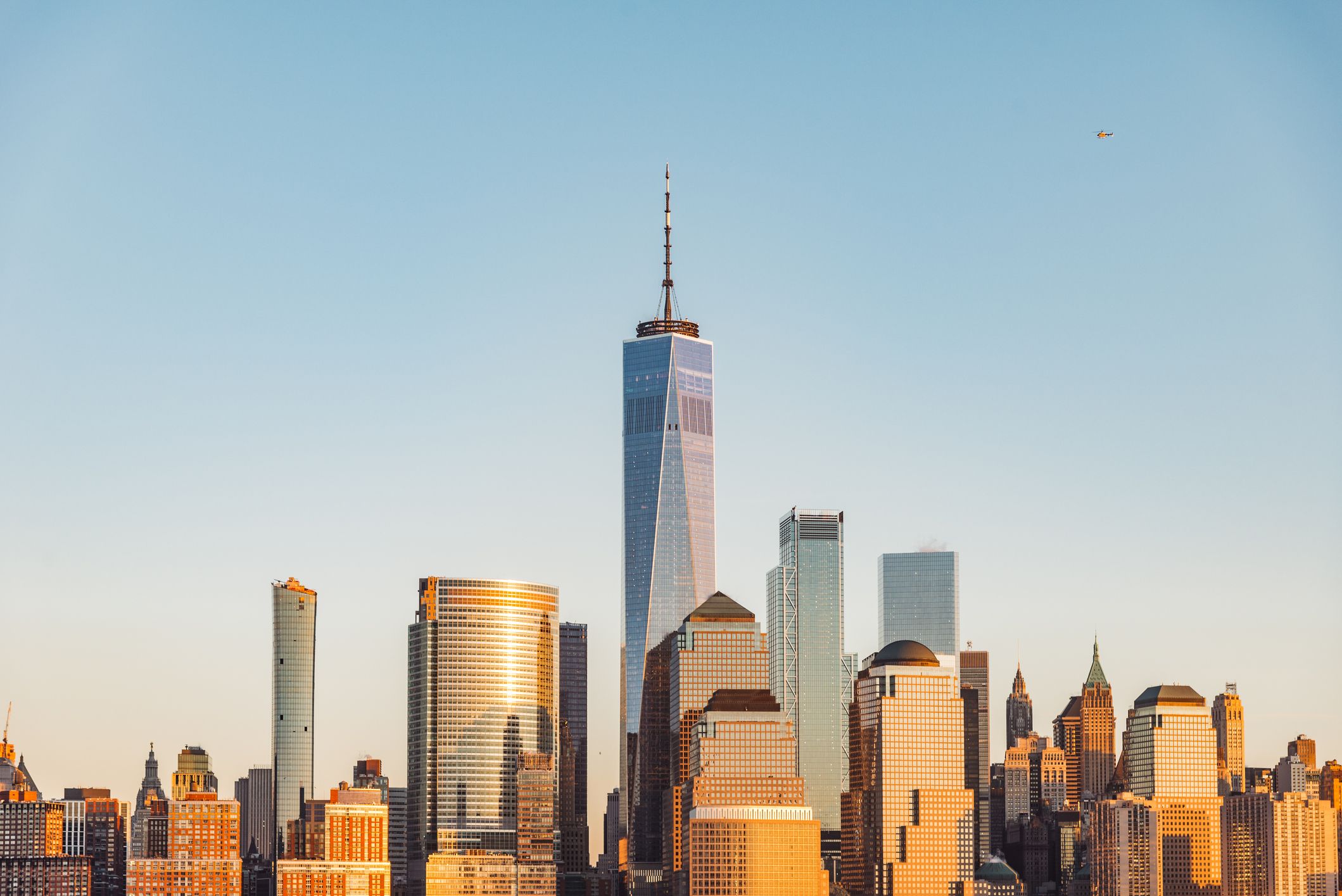
These rankings, based on architectural height data from the Council on Tall Buildings and Urban Habitat (CTBUH), reveal a global story. Shenzhen's Ping An Finance Center (599m) mirrors that city's tech boom, and Seoul's graceful Lotte World Tower (555m) has become an instant icon. In New York, One World Trade Center (541m) carries deep symbolic weight, its 1,776-foot height a permanent architectural reference to American history.
For the vacationer, each tower is a destination. They house luxury hotels, world-class restaurants, and, most importantly, those breathtaking views. Visiting them is a way to understand a city's aspirations, literally looking down on its history while touching the ceiling of its current ambitions. As engineering advances, this list will evolve, but for now, these giants offer the most spectacular vantage points on the planet.