The Search for Italy's Perfect Meatball Ends in a Roman Kitchen
Elvira, a former Roman restaurateur, fixed me with a stern look. I had just asked for the best way to make her famous meatballs. 'The best?' she repeated, mixing the minced meat and soaked bread with a gloved hand. 'There is no best. It is a humble thing.' I had come to Rome during a blistering heatwave, chasing the secret of the ultimate meatball, only to be told the quest was nonsense.
This lesson in culinary humility began in the Trastevere home of cooking instructor Debora Lanini, whose doorway is guarded by a frog-shaped mailbox. Inside, amid hundreds of frog figurines, Elvira and Debora demonstrated the Roman art of 'polpette.' The key, they insisted, was feel and frugality, born from using leftovers. Every question about perfect ratios or techniques was gently deflected. A meatball, Elvira explained while subtly adding extra salt, is a personal signature, a way a nonna shows preference for a particular grandchild.
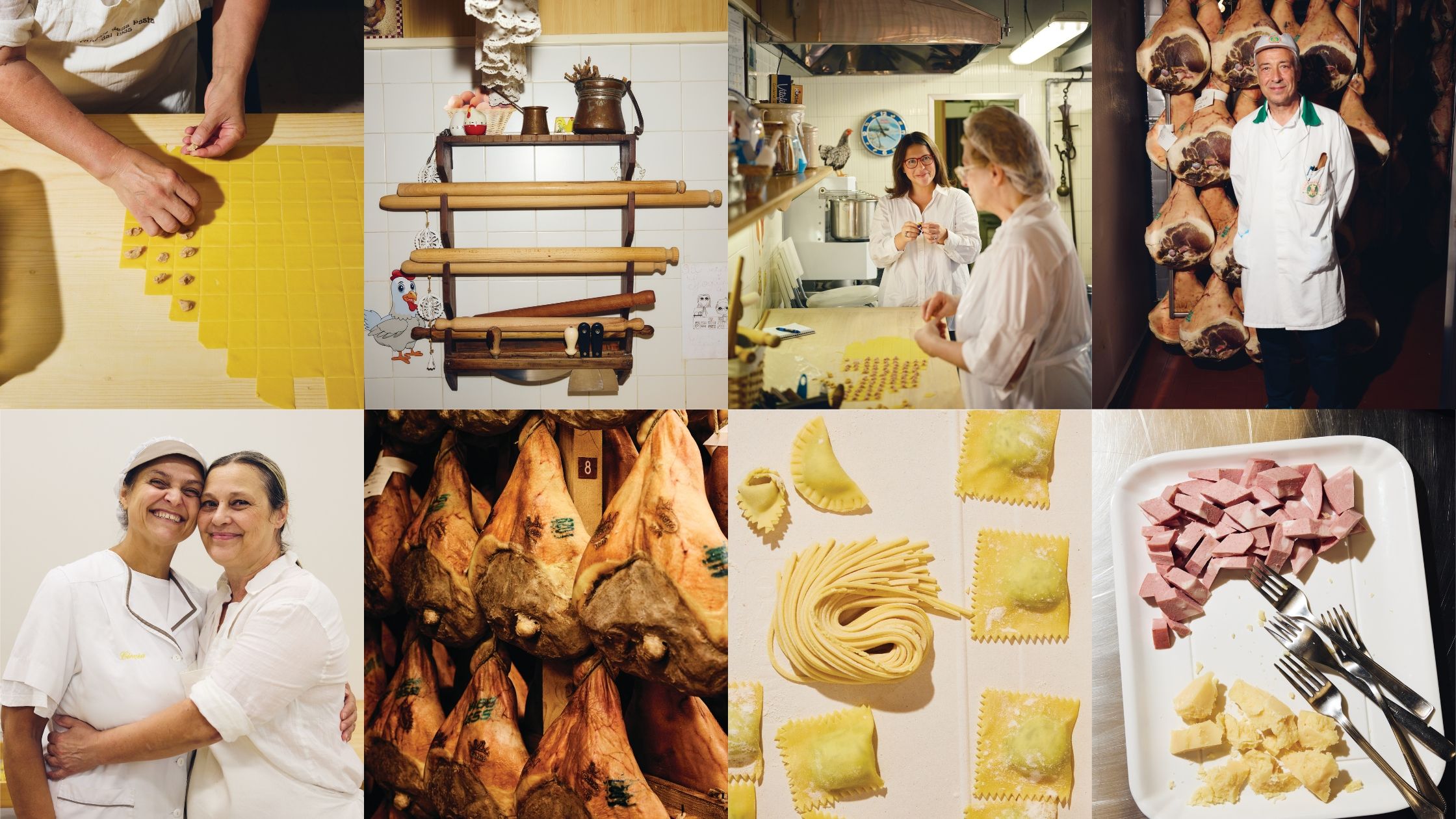
Days later, at the Festival del Prosciutto di Parma, I saw the same philosophy. Master butchers competed in a silent, hours-long carving contest. The winner, a butcher named Chantal, received only a simple sticker for her shop window—no fanfare, no grand title. Yet, subtle judgments were everywhere: a gasp for a perfectly arranged plate, a headshake for another.
The point crystallized back in that Roman kitchen. I found Elvira quietly crying over a pan of failed meatballs. Even in a culture skeptical of absolutes, personal standards—of what is good or bad—remain fiercely held. My own search ended on Rome's Aventine Hill, where food writer Daniela Del Balzo served me a meatball of stunning, juicy perfection. It was, for me, the best. I took her recipe home. You may love it or you may not. That, I finally learned, is precisely the point.