The Science Behind How Airlines Choose Their Next Destination
Ever wondered how an airline decides where to fly next? Major carriers have whole departments devoted to it. It's called network planning, and the job is part art, part science.
Every summer, US airlines roll out new seasonal routes-a splashy way to sell tickets for the year ahead and catch the eye of travelers dreaming of their next trip.
At American Airlines, which turned 100 this year, network planning is always hunting for ways to grow, says Brian Znotins, the carrier's senior vice president of network planning. The team studies data on what destinations customers search for. Znotins oversees more than 2,100 domestic and 700 international routes.
Before flights go on sale, planners dig into industry demand models and global event calendars. Sometimes the signal is obvious: American added Prague and Budapest this summer because they were among the most-searched cities the airline didn't serve, launching both the same day. Other times, inspiration comes from magazine articles about up-and-coming destinations. The process can start more than a year before an announcement, though domestic flights can come together in weeks or months.
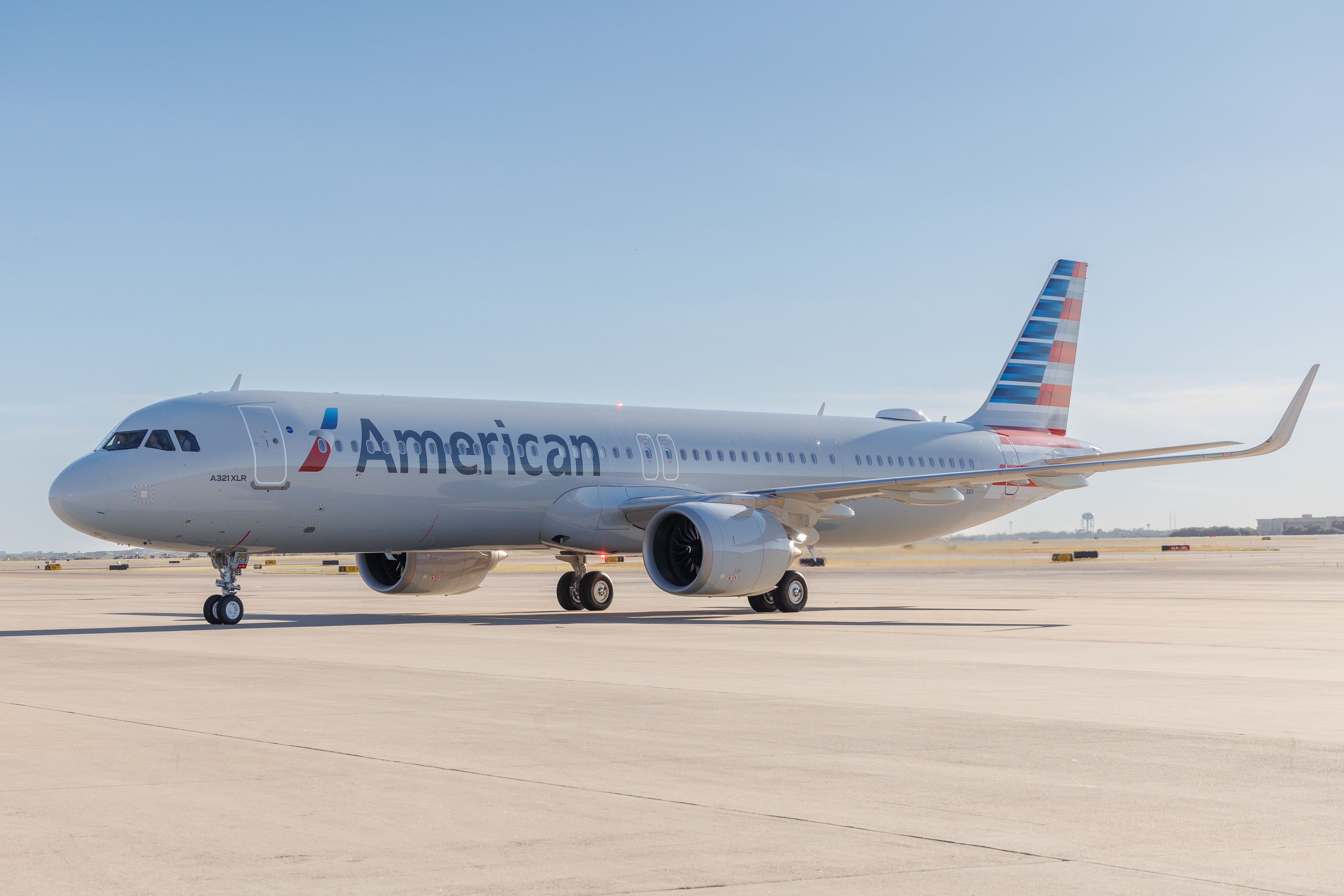
Aircraft availability is one of the biggest factors. During the pandemic, American retired many long-haul jets, so growth since 2020 has come mostly from domestic flying and routes to Mexico and the Caribbean. New deliveries are changing that, especially the Airbus A321XLR. American was the first US carrier to take delivery of the plane last year, with 50 on the way. It can cross between continental Europe and the US East Coast with only 155 seats, far smaller than traditional transatlantic aircraft.
Vienna and Porto are prime examples of what the plane makes possible, Znotins says-routes that are competitive to smaller, thinner destinations where a wide-body would be too big. In August, American announced new long-haul routes for 2027, including New York to Nice and Amsterdam and Philadelphia to Porto and Vienna, all to be flown exclusively by the A321XLR.
The aircraft also shifts how American handles seasonal demand. European travel once spiked in summer and fell off sharply, but travelers are increasingly visiting in milder months. A seasonal route like New York to Barcelona, flown by a larger wide-body, can switch to the A321XLR in winter, letting American keep service year-round.
Outside forces like geopolitics and fuel prices factor in too. A closed airspace or a fuel spike can force quick reactions, and planes can't sit idle. Corporate contracts influence schedules as well: a second daily daytime flight between New York and London Heathrow starts in the spring because business travelers asked for it.
A century ago, a small biplane carrying mail from Chicago to St. Louis became American's origin story. The carrier later pioneered nonstop New York-Los Angeles service in the 1950s. Today it operates more than 6,000 flights a day in over 60 countries. Znotins wouldn't reveal specific future routes but pointed to opportunities in secondary destinations in Europe, North Africa, and South America.