The Real Villages and Vineyards Behind 'You, Me & Tuscany'
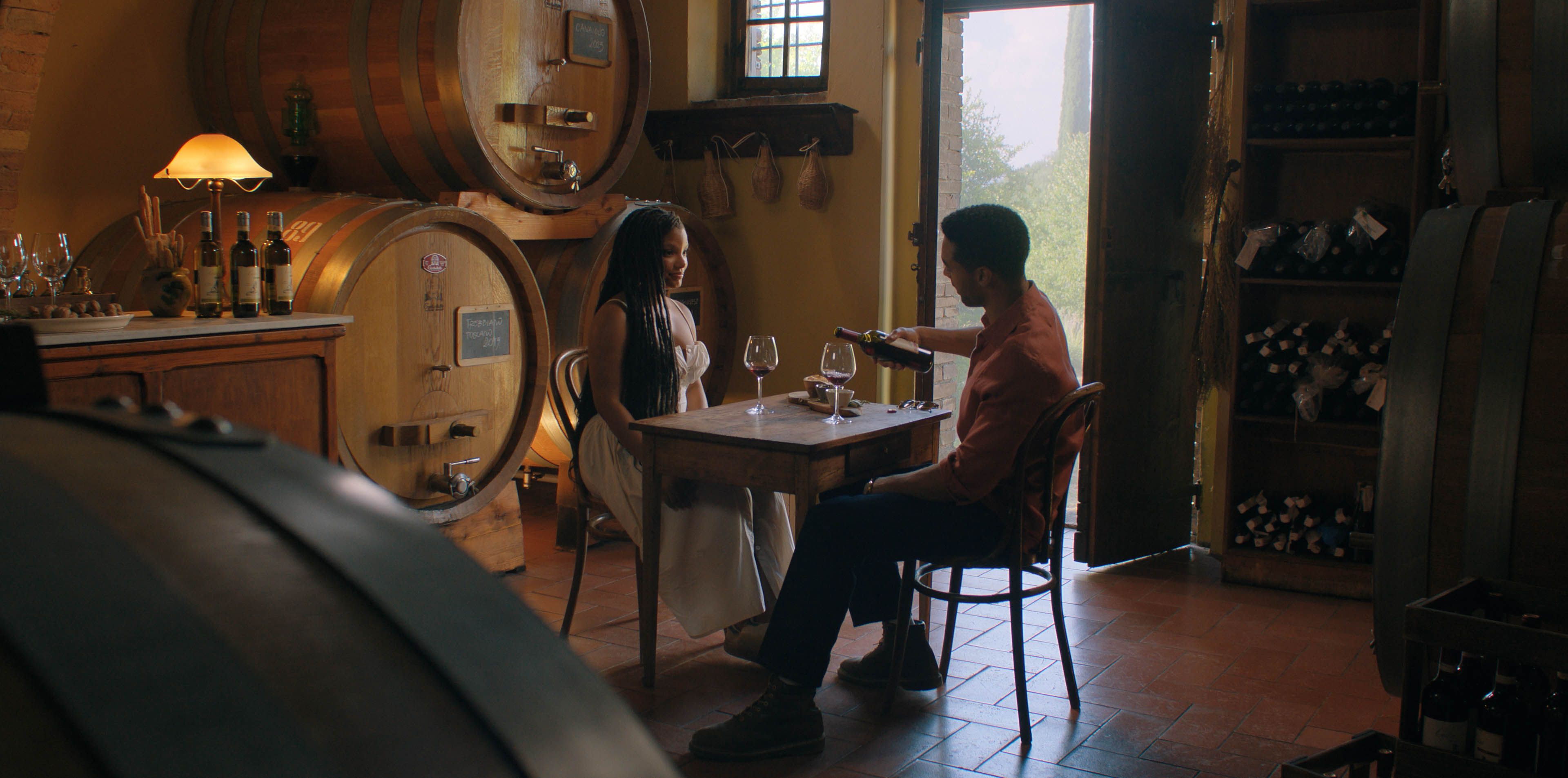
The new romantic comedy 'You, Me & Tuscany' sells a fantasy of impulsive love and sun-drenched hills. Starring Halle Bailey and Regé-Jean Page, the film’s authentic Italian atmosphere is no accident. Production designer Elena Albanese, a Milan native, meticulously built its world, blending real locations with studio magic to create an Italy that feels both genuine and irresistibly cinematic.
Bailey plays Anna, a New Yorker who decamps to a Tuscan villa. Her initial Manhattan strolls were a hybrid: background plates shot on Fifth Avenue, with Bailey filmed later on a Rome soundstage. The pivotal hotel bar where she meets a charming Italian? Its exterior is in Pienza, a Tuscan town, while the interiors are Roman hotel bars.
Pienza, a UNESCO World Heritage site in the Val d'Orcia, forms the backbone of the fictional village San Conessa. Its piazzas and streetscapes provide the film’s texture. The story’s central villa, Casa Luna, presented a challenge. Its exterior is a working vineyard estate found after extensive scouting. The interior, however, was constructed at Rome’s famed Cinecittà Studios. Albanese designed it as a blend of historic Tuscan character and modern elegance, something nearly impossible to find ready-made.
Local flavor came from Pienza’s real shops, like the gastronomia where Anna and Michael first spar, dressed by the crew to feel more abundant. For Michael’s winery, the production secured the Sesti Estate in Montalcino, whose vineyards offered the perfect romantic backdrop. Even the film’s climactic barrel race, inspired by a real Montepulciano event, was shot in Rome for logistical ease.
Anna rekindles her passion for cooking in a family restaurant. While its cozy exterior is in Pienza, the steaming kitchen scenes were filmed at Ristorante Coso in Rome, chosen for its Tuscan soul. Every plate of polenta and slice of prosciutto was part of Albanese’s plan: to stay true to Italian life while making it sing for a global audience. The result is a postcard that feels lived-in, a daydream built on very real, and very beautiful, foundations.