The Kennel Master of the Queen Mary 2: Caring for 24 Cats and Dogs at Sea
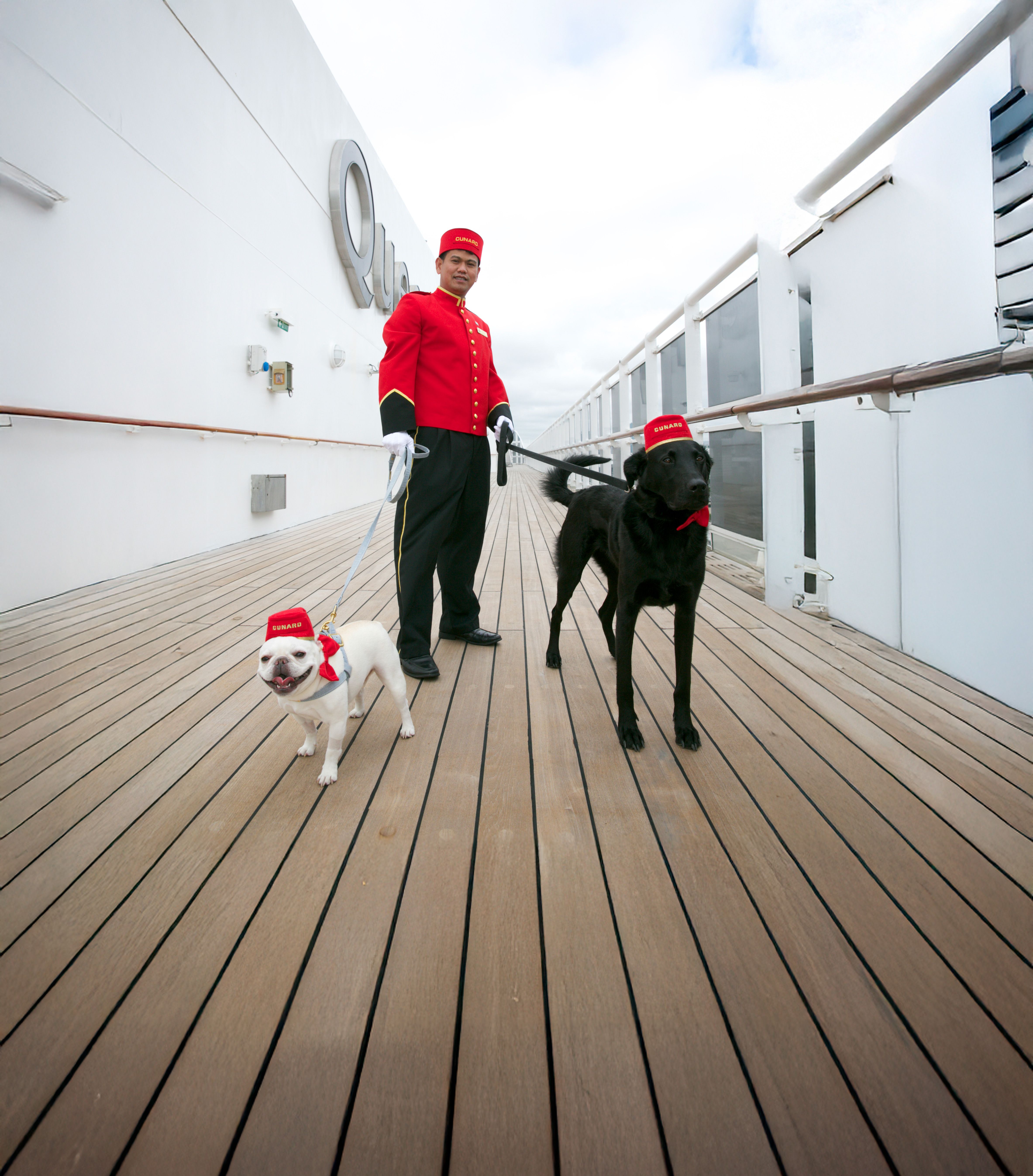
Oliver Cruz held one of the more unusual jobs at sea: kennel master aboard Cunard's Queen Mary 2, a 2,759-guest ocean liner that had been making transatlantic crossings between Southampton and New York since 2004. It was also the only cruise ship in the world to offer dedicated kennels at sea during its transatlantic voyages, with 24 spaces for dogs and cats traveling with their owners.
Cruz joined the ship in 2011, initially as a spa attendant. When the housekeeping department learned that he had spent eight years back home in the Philippines working as a zoo guide and animal handler, with everything from snakes to crocodiles, he was moved to the kennels. He stayed there ever since. "Dogs are angels," Cruz said. "Not all angels have wings. Some of them have fur." He had 15 dogs of his own at home and was a member of the Philippine Animal Welfare Society.
His charges aboard Queen Mary 2 ranged from teacup Yorkies to a Bernese mountain dog whose three daily meals each included roughly three pounds of minced meat and more than 10 ingredients. Some were regulars: Cruz cared for one dog on 32 crossings. He could rattle off their names, personalities, dietary quirks and preferred sleeping arrangements, and even remembered which "house," as he called the kennels, his repeat guests slept in on previous voyages.
One occupational hazard: Cruz estimated he had more than 50 dog bites on his body, nearly all sustained while diving in to break up fights. "Nobody bites me intentionally," he said. Experience taught him that "the way you treat a husky is not the same way you treat a Shih Tzu."
On embarkation day, the team went down to the terminal and first cross-checked all the paperwork. There were very complicated requirements, especially coming into the UK, so they checked things like the stamps and the timing of vaccinations. From there, they brought the dogs up to the kennels and explained the visiting hours and the dos and don'ts to their owners. The dogs had an outdoor area they literally called the poop deck, with an American fire hydrant for the American dogs and a British lamppost for the British dogs. For the sake of their holiday, Cruz let them experience both.
Owners could leave toys, blankets, even used pajamas or socks inside the houses so the dogs could smell them and feel more comfortable. If two dogs lived together and got along, the partition was taken out so they could cuddle overnight. Then there was the feeding. Every dog had its own portion sizes and diet, and it all had to be right. The food ranged from boiled chicken breast to grilled steak, steamed salmon, Cumberland sausage, scrambled egg, fruits and vegetables-basically whatever they needed. The food came from the same kitchen that cooked for the guests, but Cruz was very strict: no salt and pepper.
Sometimes people who didn't have pets in the kennels tried to come in because the dogs were cute-maybe 20 or 25 people in a day. Cruz had to explain that the dogs were already trying to adjust to an unfamiliar environment as well as the other dogs. They didn't need more strangers coming in to see them.
His favorite part was meeting all the new dogs on the first day and making his family bigger. After seven days of bonding, playing and running around together, saying goodbye was the saddest part. The most challenging part was the parents. Sometimes Cruz told the owners, "No treats," but he could see them secretly feeding their dog oily food like bacon from the kitchen. He had to say, "Mama, I'm not so happy seeing you do this." Once somebody took their own dog back to their cabin without telling him. That evening, he was about to close the kennel when he did his usual count and realized one was missing. It was a very stormy evening, and he was running around like a headless chicken. He was soaking wet and crying. He asked housekeeping to send people around the ship to help him find this dog, but nobody could. Finally, he phoned the owner and she said, "Oh yes, Oliver, she's here." He was dying that night.
The weirdest thing about living on a ship, he said, was that when he was home, he felt strange; when he was there, he felt at home. He played drums and guitar in the Filipino crew band, and they performed in the crew bar, playing a lot of Red Hot Chili Peppers. He even got to play with Travis Barker on Queen Mary 2. They were filming something on the ship and shot them playing together. He remembered singing "All the Small Things" and "What's My Age Again?" That was one of the coolest things.
His favorite place he traveled so far was Liverpool. He was a big Beatles fan with John Lennon tattoos all over his body. When he was there, he visited Mendips, John Lennon's childhood home, Strawberry Field and Quarry Bank School. And he always spent the night at the Cavern Club, sometimes until two in the morning. That was his place. His favorite place to hang out on board the ship was the kennels, honestly. It was a different experience staying there for seven days, getting to know each other's dogs.
One of the most memorable guest interactions was a dog named Paisley. She had come from a shelter and, according to her owner, had been mistreated before. She was aggressive and would bite, and she was having a difficult time in the kennel. When the other dogs were put away, Cruz would let Paisley out and spend time with her alone. He told her, "Paisley, you are not the boss. I am the boss." One day, her owner came in and saw Paisley sitting on his lap and licking his face. She started crying and said, "What did you do to my dog?" That was the start of a very good relationship. He said he would never forget her.
His top tip for first-time cruisers: always remember that you and your dog are reflections of each other, so you need to be calm and happy. If you are really nervous, the dog will feel that nervousness too. And for cats, give them time. Cats are the boss. They don't trust places and people easily, so do not force them. One day, the cat will come to you. Once they become talkative and start asking for attention, that was it-they were friends.