The Hidden Safety Ritual in the Jumpseat
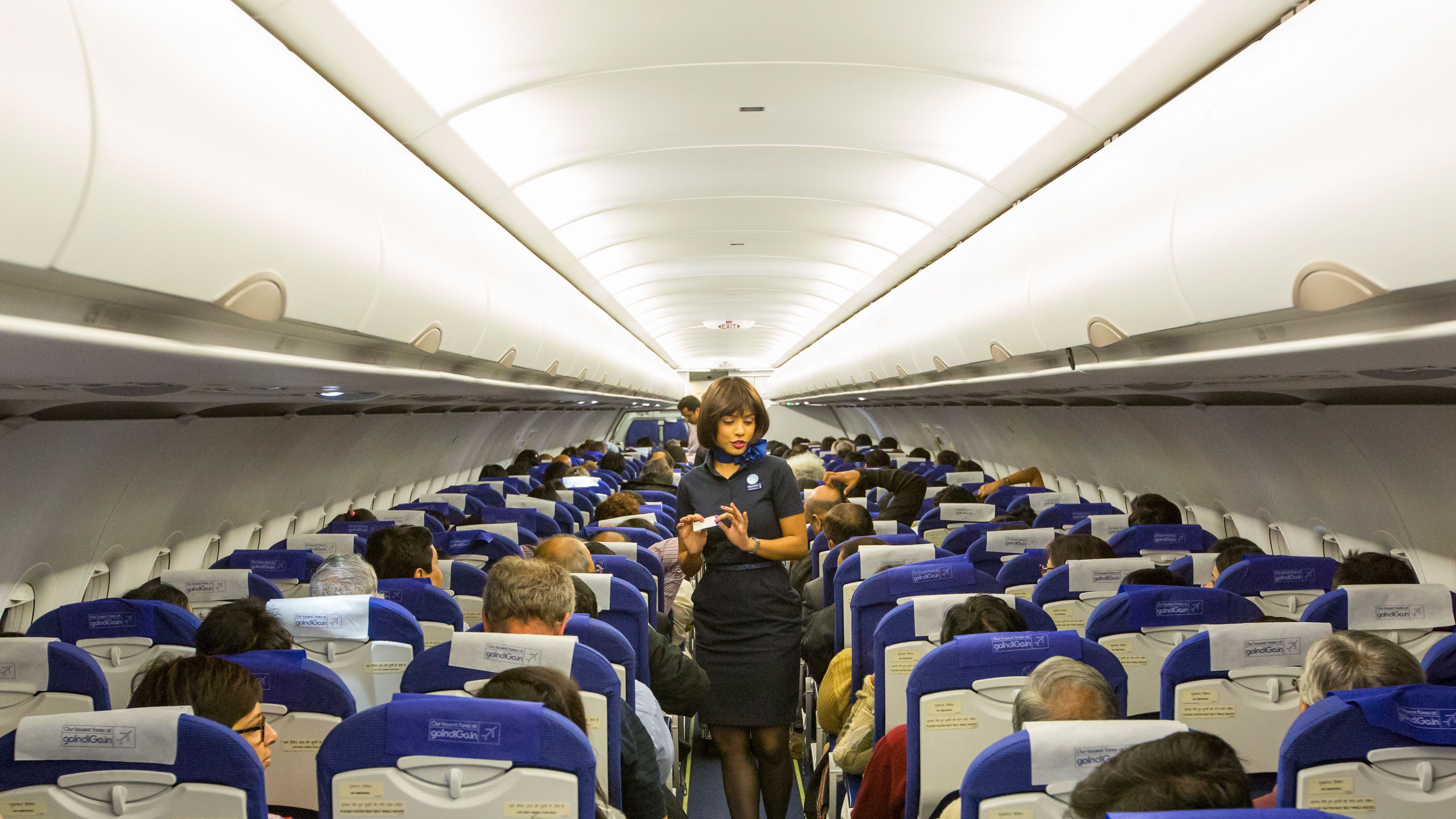
You’ve seen it a hundred times: the flight attendants settle into their fold-down seats, tucking their hands beneath their thighs. It’s a quiet, almost meditative pose they hold during takeoff and landing. For the watchful passenger, it sparks a question—is this a secret signal, or just a comfortable way to sit?
According to Lia Ocampo, a former flight attendant and author, the gesture is neither mysterious nor casual. It’s a standardized safety protocol. In aviation, this is the crew’s brace position. “If passengers see flight attendants do this, it means they are doing the right thing and fulfilling their role,” Ocampo explains.
The position varies based on the seat’s direction and restraints, but sitting on the hands is common. It secures the arms close to the body, minimizing injury risk during a sudden impact. While holding this posture, crew members aren’t just waiting. They run a silent mental checklist, reviewing exit locations, identifying passengers who could assist, and recalling emergency commands.
Passengers aren’t expected to mimic this exact pose. Your brace position is illustrated on the safety card in the seatback—a card worth reviewing on every flight. Ocampo notes that in a planned emergency, attendants will instruct passengers. In an unplanned one, they may not have time.
This small, practiced ritual underscores a larger point: flight attendants are safety professionals first. Their briefings, while familiar, are essential. Aircraft and configurations change, and so can procedures. Listening closely isn’t just polite; it’s a layer of preparedness. That moment of quiet focus in the jumpseat is a reminder that safety is an active, practiced part of the journey, from the first seatbelt click to the final arrival.