The End of Spirit Airlines: What Travelers Need to Know Now
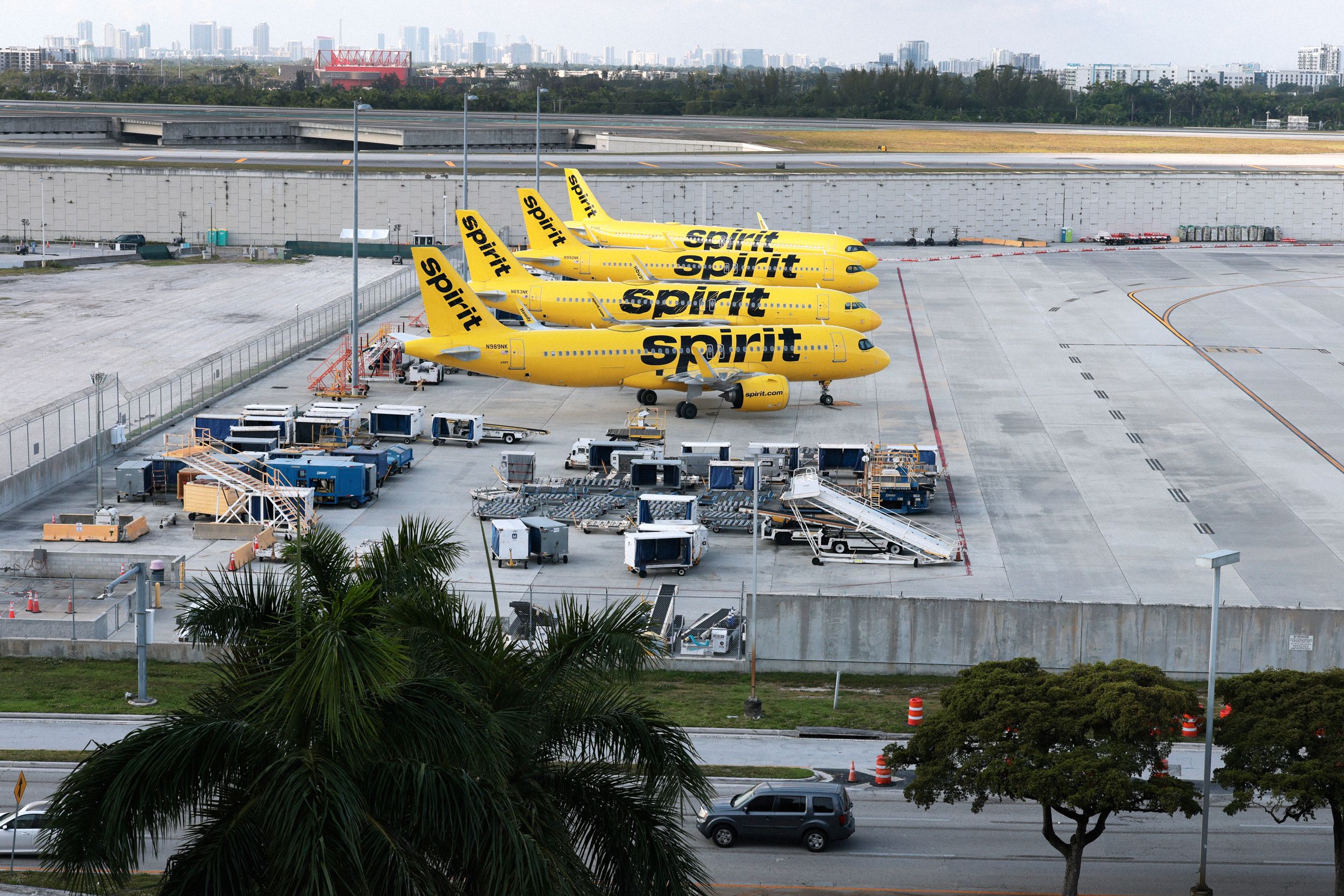
Spirit Airlines has officially shut down, and the news hit fast. On Saturday, the carrier announced it was ceasing all operations, canceling flights, closing customer service lines, and laying off employees with little notice. For travelers heading into summer, this raises some urgent questions.
Spirit had been struggling for years. It hadn't turned a profit since 2019, and bigger competitors like Delta and American started offering their own stripped-down, low-cost fares. A proposed merger with JetBlue was blocked by a federal judge in early 2024, and two bankruptcy filings followed. The final blow came from the Iran War and a crisis in the Strait of Hormuz, which sent jet fuel prices soaring. Fuel makes up more than a quarter of airline operating costs, and Spirit could no longer sustain itself.
If you hold a Spirit ticket, the airline says it will automatically issue refunds. But experts recommend moving fast to rebook. Major carriers including United, Delta, JetBlue, and Southwest are offering capped fares for a limited time. American and Allegiant have reduced prices on routes Spirit served, and Frontier is giving former Spirit passengers up to 50 percent off base fares for a few days.
Even if you never flew Spirit, you'll likely feel the impact. With one less competitor in the market, some routes could see price increases of 15 to 20 percent. Travel expert Katy Nastro advises booking early to lock in better rates.
As for Spirit's 17,000 workers, most are expected to find jobs elsewhere in aviation. Other airlines are already hiring and have offered travel passes and preferential interviews to stranded employees. Spirit's fleet of 131 Airbus A320s will be returned to lessors or sold off. The bigger loss may be the ultra-low fares Spirit offered—some under $100 one-way. With fuel costs high and competition shrinking, those bargain tickets are likely gone for good.