The Dictator’s Highway: How One Man’s Paranoia Created Patagonia’s Greatest Road Trip
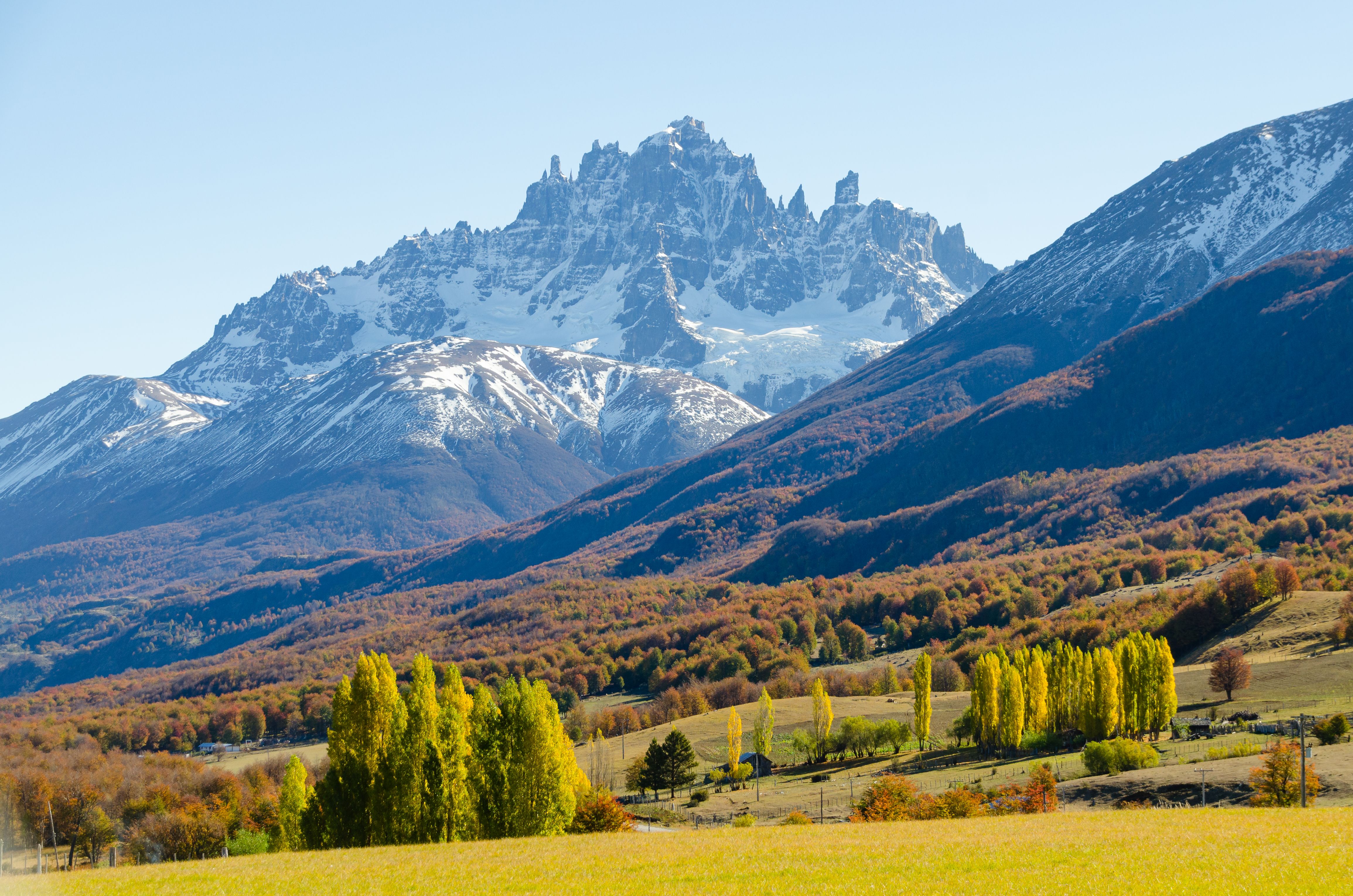
It’s one of the world’s great drives, but the Carretera Austral wasn’t built for tourists. It was built out of fear. In the 1970s, after seizing power in a bloody coup, Augusto Pinochet worried that Chile’s remote southern reaches might slip into Argentina’s grasp. So in 1976, he ordered a highway carved through northern Patagonia—a place of jagged peaks, misty fjords, and forests so thick they swallow the light. The result: 770 miles of gravel, dynamite, and sheer will, stitching isolated communities to the nation.
Today, that road starts near the port of Puerto Montt and ends, after four ferry rides, at the frontier outpost of Villa O’Higgins. Half a century on, the towns along its spine are reckoning with what the highway has brought—and what might come next, as travelers flock to its wild wonders.
I flew south from Santiago to Balmaceda, a tiny airport near the road’s start. From there, I drove 45 miles through jagged peaks to Villa Cerro Castillo, a village of eight blocks dwarfed by its namesake mountain. Before the 1970s, places like this in the Aysén region were cut off. Ranchers used horses, boats, and dirt airstrips. Then the highway arrived, and everything changed.
Tourism took off. Hitchhikers and cyclists came first; now boutique lodges are drawing a wealthier crowd. At Alto Castillo, a five-cabin hotel opened in 2023 by Chilean Carolina Cerda and her Argentine husband, guests sip tea overlooking Cerro Castillo National Park. “People wanted to visit, but the options were basic,” Cerda told me. “Now tourism is shifting—but it’s not about flashy luxury. Visitors still want to feel Patagonia.”
Down the road, the Cerro Castillo School Museum tells a deeper story. Nomadic Tehuelche people left ochre handprints on cliffs here up to 13,000 years ago. European pioneers arrived in the 1930s, setting fires to claim land. Then the highway pulled communities together. “People moved their homes closer to the road,” said longtime resident Francisco Croxatto. “Now, 50 years later, it’s brought good and bad.”
The Aysén region has doubled in population. In Puerto Río Tranquilo, home to the Instagram-famous Marble Caves, tourism exploded. “Twenty years ago, you might go 15 days without a visitor,” said Croxatto’s wife, Tamara Ullrich. “Now, boats leave every 15 minutes.”
I hiked into the Exploradores Valley, where Croxatto and Ullrich run a private reserve. The glacier there is breaking apart—they had to stop ice hikes in 2026 when the government deemed it unsafe. But the forest around it is recovering. Later, I drove south to Mallin Colorado, a family-run estancia on Lake General Carrera. Even in the rain, the lake glowed neon blue.
At Patagonia National Park, rewilding efforts are bringing back guanacos and pumas. Wildlife ranger Alejandra Saavedra showed me rheas—giant birds—being released to spread seeds across the plains. Back in Villa Cerro Castillo, tour guide Cristian Vidal is working on a conservation area that lets gauchos graze cattle while protecting glaciers and forests. “It’s about knowing where you come from,” he said, “and where you want to go.”
The Carretera Austral is a road of contradictions: built by a dictator, now a lifeline for communities and a magnet for travelers. Every bend delivers something new—a canyon, a glacier, a gaucho on horseback. It’s more than a highway. It’s a story, still being written.