The American Passport Slips: U.S. Falls to 10th Place in Global Travel Rankings
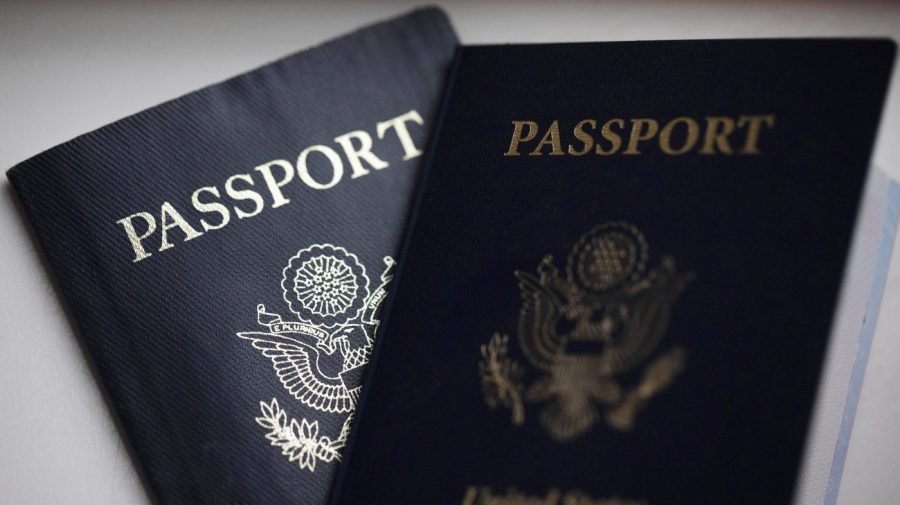
Twenty years ago, the U.S. passport was the ultimate ticket to the world—unrestricted access to more countries than any other. But according to the latest Henley & Partners Passport Index, that golden era is over. The American passport has now dropped to 10th place globally, a steady decline that mirrors shifting visa policies and the rise of other nations.
The index, released this week, shows Singapore taking the top spot for 2026, with its passport granting visa-free entry to 192 destinations. The U.S., by contrast, now falls behind powerhouses like Japan, Germany, and South Korea. While Americans still enjoy relatively strong mobility—able to visit around 180 countries without a visa in advance—the gap is widening, and the ranking reflects a broader trend of the U.S. losing its edge in global travel freedom.
Experts point to several factors behind the slide: stricter visa reciprocity from other nations, geopolitical tensions, and a lack of bilateral agreements. Meanwhile, countries like Singapore and those in the European Union have aggressively expanded their visa-waiver networks. For American travelers, this means more paperwork, longer waits, and fewer spontaneous trips to places like Russia or parts of Africa.
The news isn't all bad—the U.S. passport remains a strong travel document, and many destinations still welcome Americans with open arms. But the ranking serves as a reality check. As other nations race ahead, the once-unquestioned power of the blue passport is no longer a given. For those planning their next vacation, it might be worth checking the visa requirements before booking that flight.