Sweden Prescribes Vacations: Is Travel Therapy the Next Big Thing?
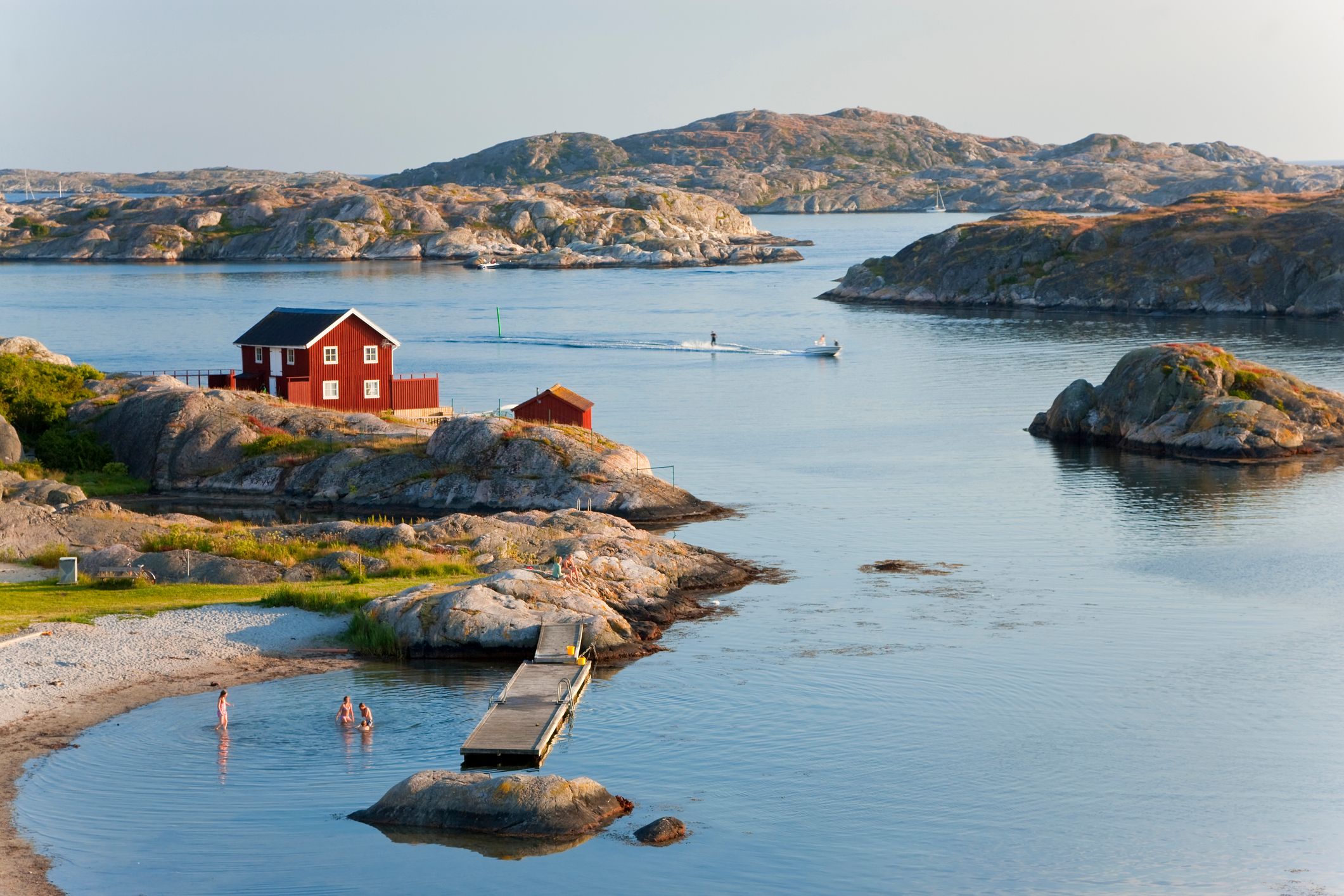
Sweden has launched a cheeky new tourism campaign, branding itself as “the first country in the world prescribed by doctors.” The initiative promotes saunas, nature, and 100 days of summer sunlight—rebranded as “24/7 light therapy”—as tools for mental wellness. The campaign’s website features doctors who claim these experiences offer “evidence-based ways” to support mental health, and even includes a downloadable “prescription” form for physicians to recommend personalized Swedish activities.
It’s a smart move. Global wellness tourism is booming, and mental health treatment is one of the fastest-growing industries. Combining the two seems like a natural next step. But does traveling for mental health actually work, or is it just another trend cashing in on burnout?
Sheri Colosimo, a wellness educator and co-founder of Más Bliss Retreats, says travel is evolving. “It’s not just about getting away anymore,” she explains. “It’s about considering how you want to feel and what you truly need.” Researchers draw a line between “hedonic” travel—focused on immediate pleasure, like massages—and “eudaimonic” travel, which aims for personal growth. While travel can boost happiness, the effects often fade quickly after returning home.
Dr. Karen Miller, a brain wellness expert, says the real benefit comes from novelty. “Travel forces us to engage our frontal lobes,” she notes, pointing to the cognitive boost from navigating new places, foods, and transportation. She calls this “dual tasking”—like reading a map while walking—which can improve brain function and lead to lasting clarity and emotional processing.
But she warns that travel alone isn’t enough. “We need strategies to implement what we learn,” she says, suggesting cooking new dishes, journaling, or revisiting photos with friends to reinforce memories. She also advises against overpacking itineraries, which can leave you exhausted.
I tested this theory with three trips: a yoga retreat in Mexico, a sleep program in Los Cabos, and a weekend at a resort in Riviera Maya. Surprisingly, the yoga retreat had the most lasting impact, combining novelty, movement, and emotional engagement. The sleep program offered good advice, but an unscheduled sensory eating experience stuck with me more. And a paint-and-sip session, where I spent hours observing the landscape, produced a small painting now hung at home—a daily reminder to slow down.
Sweden’s campaign may be more symbolic than clinical, but it captures a real shift. Travelers want more than a temporary mood lift; they want a return on investment. With careful planning—both on the road and back home—the mental health travel trend could have real staying power.