Spring Break Travel Snarls as DHS Shutdown Strains Airport Security
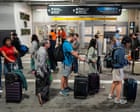
Airports in Houston and New Orleans descended into chaos this weekend, with security lines stretching for hours, as a partial government shutdown of the Department of Homeland Security entered its third week. The disruption, hitting during the busy spring break period, left families scrambling and officials pleading for patience.
At Houston’s William P. Hobby Airport, estimated wait times ballooned to three hours Sunday evening. Airport social media accounts progressively urged travelers to arrive earlier and earlier—first three hours, then four to five hours before departure—citing the shutdown’s impact on daily security operations. The scene was a stark contrast to the city’s larger George Bush Intercontinental Airport, where waits remained minimal.
In New Orleans, Louis Armstrong International Airport reported a shortage of TSA agents, leading to lines that could take two hours to clear. Similar delays are expected to continue through the week.
The ongoing shutdown, which began February 14, requires TSA officers to work without pay. Funding for DHS is stalled in Congress, with Democratic lawmakers demanding new restrictions on federal immigration operations following controversial agent-involved shootings in Minneapolis in January.
Jessica Andersen Alexie experienced the turmoil firsthand. Arriving at Hobby three hours early for a flight home to New Orleans with her two children, she found a line so long she missed her original flight. After a 3.5-hour wait and a rebooked ticket, she managed to find last-minute seats on an earlier flight. Upon landing in New Orleans, she saw the security line snaking out into the parking garage. “It was nuts,” she said. “It was crazy.”
With no immediate resolution in Washington, industry leaders are sounding the alarm. “We are in spring break travel season and expecting record numbers,” said Airlines for America CEO Chris Sununu, urging Congress and the administration to reach a deal. “America’s transportation security workforce is too important to be used as political leverage.”