Six US Destinations Where Travelers Can Hunt, Fish, and Forage Their Own Food
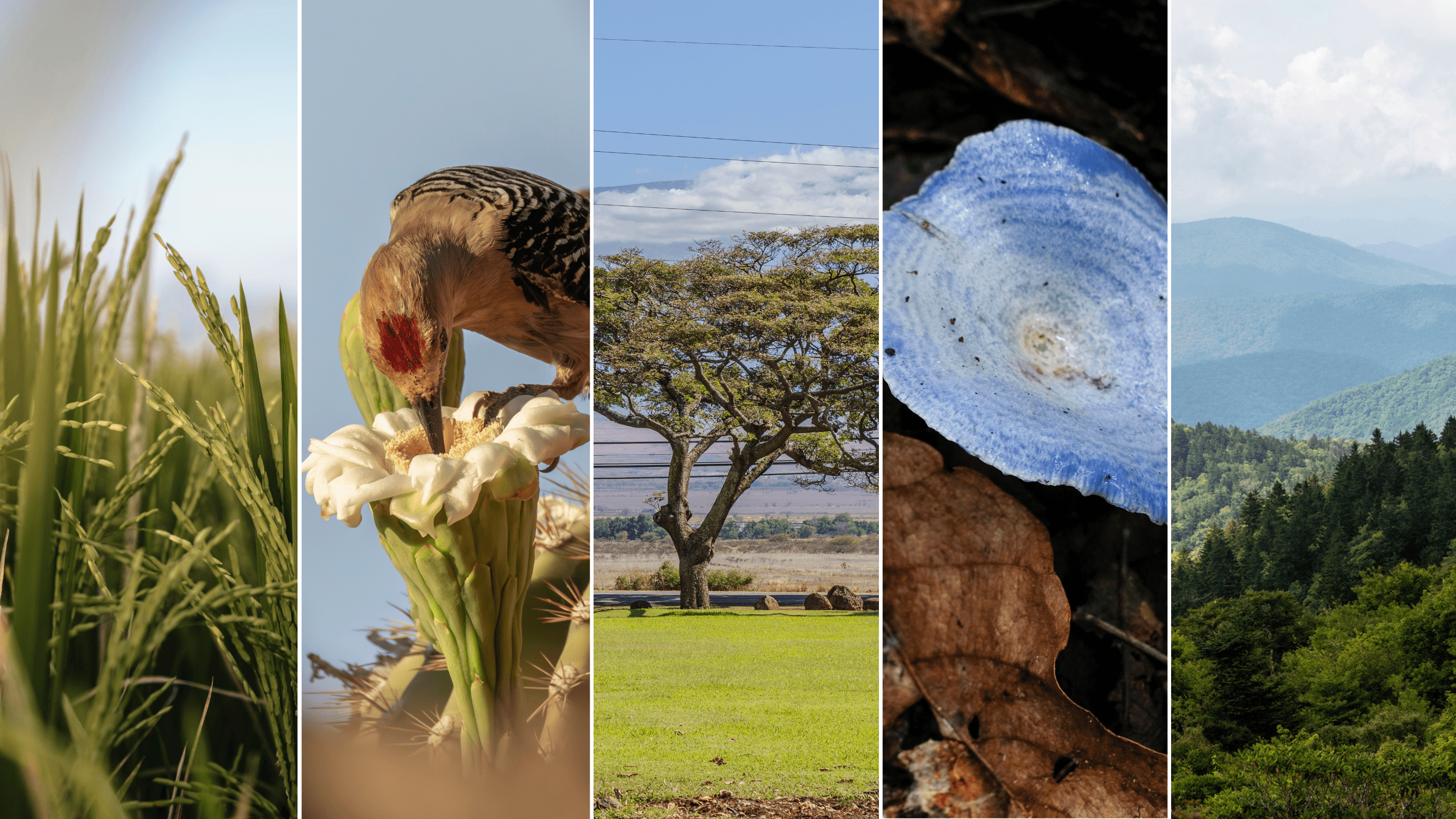
For travelers who want to reconnect with the full nature-to-plate experience, harvest opportunities stretch across the country, each shaped by local land and culture.
In Asheville, North Carolina, the forests of the Blue Ridge Mountains yield ramps in spring, pawpaws in late summer and fall, and edible fungi in every season but winter. Overharvesting has brought restrictions: Great Smoky Mountains National Park has banned ramp collection since 2004 and limits daily mushroom harvest to a pound per person, while Pisgah and Nantahala National Forests allow up to three pounds (or one gallon) of ramps or mushrooms for personal use, with truffles and chaga off limits. No Taste Like Home runs forage-to-table tours, and the Rainbows and Ramps festival in late March features local ramps and rainbow trout.
In the Chesapeake Bay, invasive blue catfish are being promoted as table fare to ease pressure on native species, with Virginia and Maryland each recording millions of pounds in annual commercial harvest. Fried, grilled, smoked, or blackened, the fish appears in a growing number of restaurants and grocery stores, and in most tidal waters neither state limits how many recreational anglers can keep.
In Minnesota, harvesters gather manoomin, or wild rice, from canoes in late summer, one person poling while the other taps ripe grain loose with cedar sticks. Mechanized harvest has been banned in the state since 1939. The Minnesota Department of Natural Resources posts harvest outlooks and maps, and Tribal-led camps and events offer a respectful starting point for newcomers.
In Pensacola, Florida, red snapper season peaks in summer but often runs into fall, with anglers limited to two fish per day since federal managers capped the catch in the 1990s. Many restaurants will cook your cleaned catch, and Florida Sea Grant's Return 'Em Right program offers free descending devices to anglers who complete an online course.
In Hawaiʻi, axis deer introduced in the 1860s have multiplied without predators and damaged crops and hillsides, prompting more than two dozen emergency proclamations in recent years. Maui Nui Venison harvests deer at night from private ranches, selling most of the meat and distributing a portion free to local families through its Holo ʻAi program.
In Tucson, Arizona, a UNESCO Creative City of Gastronomy, cacti are on the menu: prickly pear fruit after the summer rains, cholla buds in spring, and saguaro fruit in June. Foraging is prohibited in Saguaro National Park except for O'odham harvesting traditions, and guided harvests and walks offer an ideal place to begin.