Seven Places Where the Earth Still Makes the Rules
Some of the world's most profound places aren't found on postcards. They exist where natural forces move slowly and human history is written lightly on the land. These are landscapes defined not by conquest, but by a persistent, delicate balance. For 2026, consider these seven wonders where that equilibrium endures.
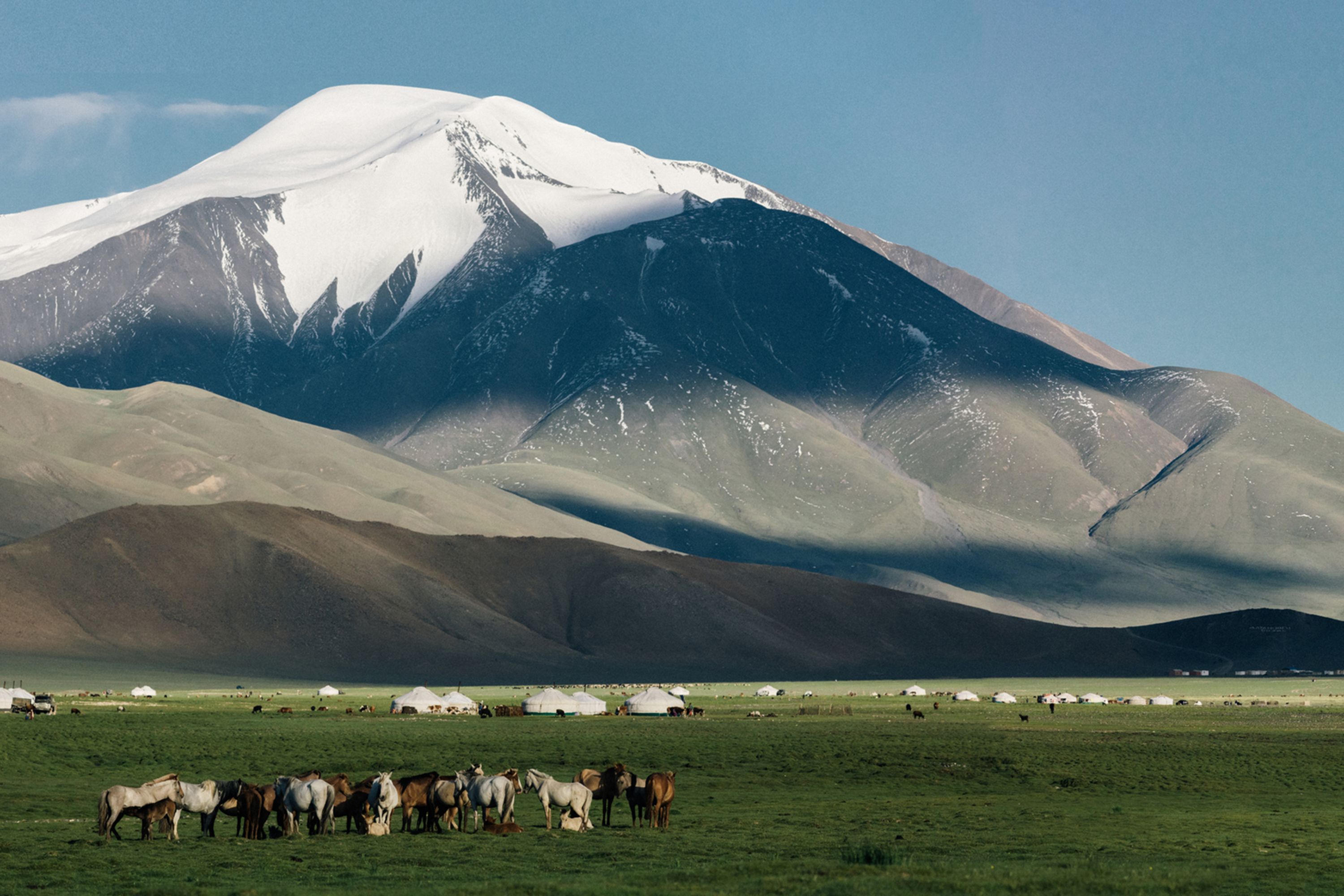
In Mongolia's Altai Mountains, near the borders of Russia and China, a high-altitude wilderness of glacial peaks and steppe sustains an ancient culture. Here, hunters still work with golden eagles from horseback, a tradition centuries old. The terrain, once crossed by Genghis Khan, demands respect. Visiting means trekking, staying with nomadic families, and accepting vast, silent distances where yaks are your only companions.
Along Canada's remote Pacific coast, the Great Bear Rainforest spans an area of mist-shrouded fjords and towering cedar. It's one of the planet's last large temperate rainforests, home to wild salmon and the rare white 'spirit bear.' Crucially, the Indigenous Sahtuto’ine communities lead its governance, restricting industry and managing tourism with a focus on the long-term health of the land.
Madagascar's Tsingy de Bemaraha is a forest of stone. Razor-sharp limestone pinnacles, formed over millennia, create a labyrinth sheltering unique lemurs and plants. Local Sakalava people have long held the area as sacred, and today, elevated walkways let visitors witness this geological marvel without disturbing its fragile ecosystems or the tombs hidden within its caves.
Reaching Indonesia's Raja Ampat requires effort, but the reward is a underwater spectacle. Its reefs pulse with life, hosting a staggering array of fish in electric colors. Villages here employ traditional fishing bans to protect this marine biodiversity, while community-run lodges operate on strict ecological principles, proving conservation and culture can thrive together.
Brazil's Lençóis Maranhenses National Park presents a paradox of endless white dunes. After seasonal rains, however, freshwater lagoons appear between the sands, creating temporary turquoise pools. Local fishing communities have adapted to this cycle for generations. Exploring on horseback offers a profound solitude in a landscape that feels both surreal and timeless.
Dominica's Morne Trois Pitons National Park shows a different side of the Caribbean. This UNESCO site trades beaches for volcanic peaks, boiling lakes, and dense rainforest. The island has deliberately avoided large-scale resorts, favoring geothermal energy and eco-lodges. Hiking here feels like stepping into a primordial world of waterfalls and volcanic vents.
In southeastern Utah, Bears Ears National Monument is a high desert of mesas and canyons, dotted with ancient cliff dwellings and petroglyphs. It remains the ancestral homeland of several Native American tribes. While its protected status faces political challenges, the land itself—watched over by two distinctive buttes—stands as a enduring testament to deep cultural and natural history.