Seoul’s K-Pop Culture: More Than Just Music and K-Dramas
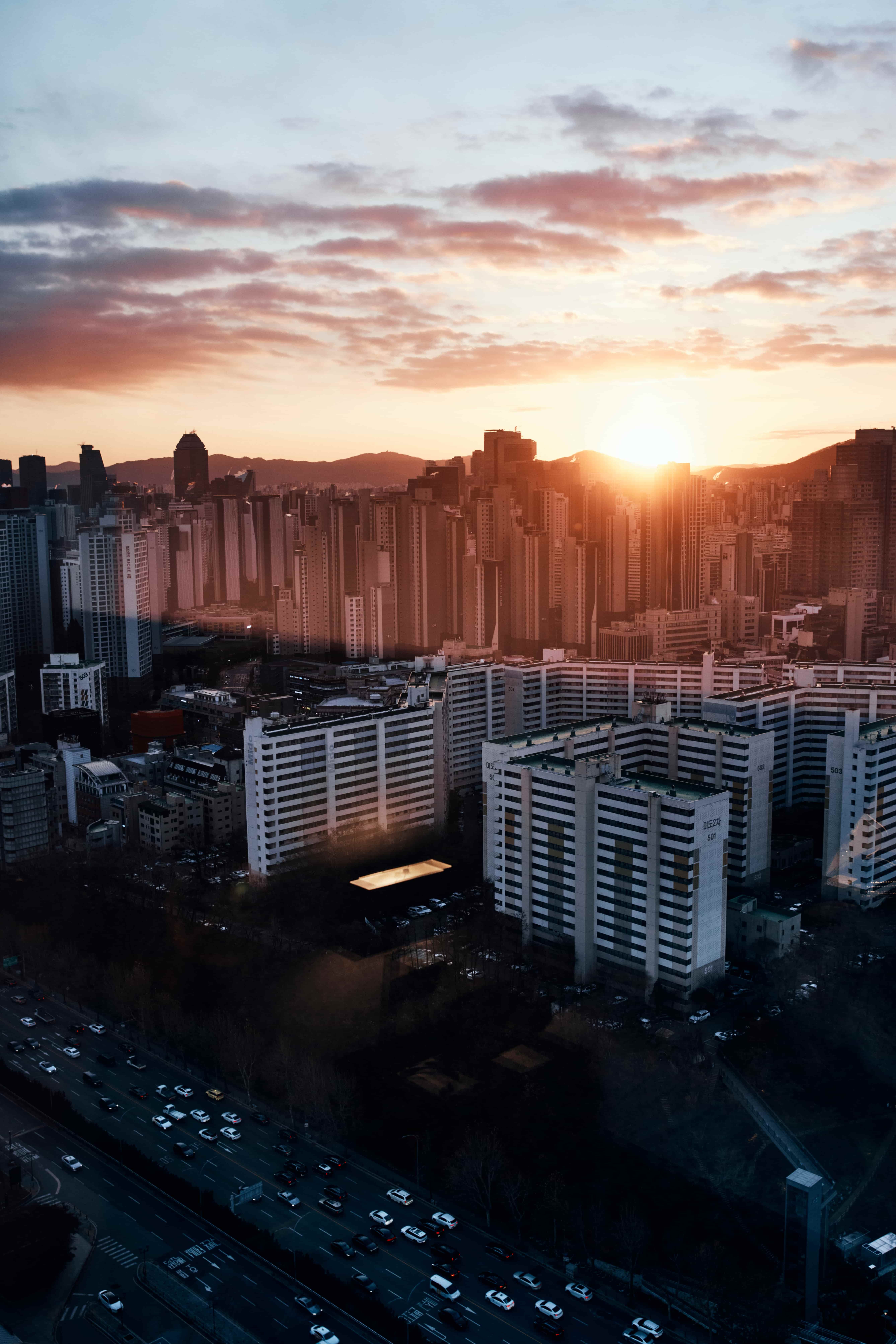
Seoul moves fast. So fast, in fact, that a café Patrick Lee, director of Frieze Seoul, wanted to meet at had already been torn down. “It was here the last time I was on this street,” he says, shrugging. That’s Seoul for you—a city where traditional hanok houses sit shoulder-to-shoulder with slick galleries, trendy glasses shops, and pop-up stores. And the cafés? There are more than 15,000, with new ones opening all the time.
Lee and I grab coffee elsewhere, then queue at Art Sonje Center. Inside, an apocalyptic installation by Adrián Villar Rojas draws timed crowds. Outside, locals and tourists in hanboks—Korea’s colorful traditional clothing—pose for engagement photos. Some tourists rent them because nearby shops offer discounts to anyone dressed that way.
“We’re lucky to have a society that values its culture,” Lee says. And the world is taking notice. Your kids might be dancing to K-Pop Demon Hunters on Netflix. Squid Game remains the platform’s most-watched show. Your aunt could be learning Hangul to follow K-dramas. Korean restaurants worldwide slather gochujang on everything. Frieze launched in Seoul in 2022, and Korean literature, including Nobel winner Han Kang, keeps rising.
This wave—hallyu—draws travelers to Seoul. But it wasn’t always this way. In 1953, South Korea’s per capita income was $67. Chef Kang Mingoo, of Michelin-starred Mingles, says the small domestic market fuels fierce competition. “Maybe that’s why visitors find this place so dynamic,” he tells me over kalguksu at Hansung Kalguksu. We feast on noodles, octopus in creamy gochujang sauce, and more. Later, at Gyeongdong Market, vendors call out to Kang, a regular.
Seoul’s art scene is just as vibrant. At Leeum Museum, Lee Bul’s mirrored installations and metallic airship draw wide-eyed kids. The city’s history—colonization, war, dictatorship—lingers in gaps at Gyeongbokgung Palace, burned and rebuilt multiple times. That loss, says Kang, fuels a hunger to share culture. “Our parents sacrificed for us,” he says. “I want to make a road for others.”
In Seongsu-dong, a former industrial area turned trendy, I meet actor Ha Ji-won. We try on costume hats in a photo booth and eat strawberry rice cakes. A teenager runs up, whispers “You’re so beautiful,” then dashes off. Ha credits Korea’s intense work culture for the emotional authenticity in its art. “That intensity connects with audiences,” she says.
Koreans also know how to play. I bar-hop in Gangnam—first Alice Cheongdam for a green elderflower cocktail, then Zest for sustainable drinks. The night ends at Prima Spa, a bathhouse. Patrick Lee’s words echo: “Korean culture isn’t just hot. It’s been thriving for a long time.”
The next morning, Lucia Cho of Hwayo soju asks, “How long will this popularity last?” From her hanok overlooking snow-dusted roofs and high-rises, the answer feels less important than the moment itself. For all the Korean culture I find abroad, nothing matches being here.