Safes, Skeleton Keys and Inside Jobs: How Thieves Target Pricey Hotels
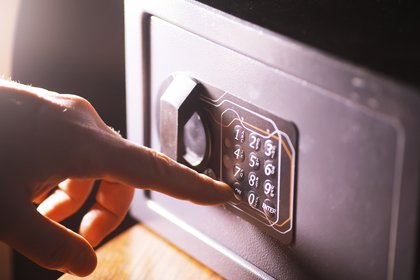
Guests who book expensive hotels assume the higher rate buys them safety as well as comfort. Reporting by Lenta.ru shows that assumption can fail badly — sometimes because of a broken safe, sometimes because of the staff themselves.
Take the case of Polina, a Russian traveller who arrived in New York with two friends and paid around $3,000 for six nights in a triple room at a hotel on Park Avenue. Valuables and cash went into the in-room safe. Days later the safe jammed; a technician unlocked it, called it a routine fault and left. The next morning roughly $1,000 was missing from the envelope inside.
Hotel managers said their key logs showed only a cleaner had entered — and cleaners, they argued, cannot open safes. Polina pushed for the safe's own transaction history to be checked. It showed the safe had been opened while the women were out, by the cleaner and the technician working together. The cash was returned the next day; compensation took a formal demand.
The pattern repeats across star ratings. Russian tourists at Turkey's five-star Royal Alhambra Palace reported a forced safe and the loss of $1,100 plus 120,000 rubles, with documents and cards left untouched; the hotel said the break-in could not be proven. On Gran Canaria, Spain's Civil Guard detained a former employee of a resort in Mogán after a guest reported gold jewellery worth about €15,000 missing. No door or safe showed signs of force, but lock logs pointed to a card listed as lost months earlier — allegedly found among the woman's belongings — and investigators linked her to three similar cases.
Some thefts are team efforts. A court on the French side of Saint-Martin convicted three former employees of the five-star Belmond La Samanna over the theft of €9,400 in cash from a guest room, according to the local outlet Le 97150. Reporting described duplicate electronic keys, a receptionist, an IT worker and a guest-services employee, and even a WhatsApp chat for coordinating. In Jamaica's Trelawny parish, police charged three hotel workers who allegedly cloned a key card that had not been returned after Hurricane Melissa; about $2,000 was taken.
Proving these crimes is hard. There are rarely witnesses, signs of forced entry or direct video, and the evidence sits with different departments — security holds the cameras, reception the key records, technicians the safe data. A lock log may show a door opened while a guest was out without proving a theft. Hotels may also be barred from sharing footage containing other guests' personal data, which is one reason a police report matters.
The practical advice from the reporting: report the loss to management in writing immediately and demand the incident be documented; go to local police for serious thefts; ask the hotel to preserve corridor and lift footage, lock logs, key-issue records, cleaning schedules and technician call-outs; and check whether the safe model keeps an operation history. Keep photos and receipts for valuables, and tell your insurer promptly — policies often cap payouts on cash and jewellery. Polina's own conclusion was blunt: don't leave money or valuables in a hotel room, even in the safe.