Repositioning Cruises: Why Travelers Are Drawn to These One-Way Sailings
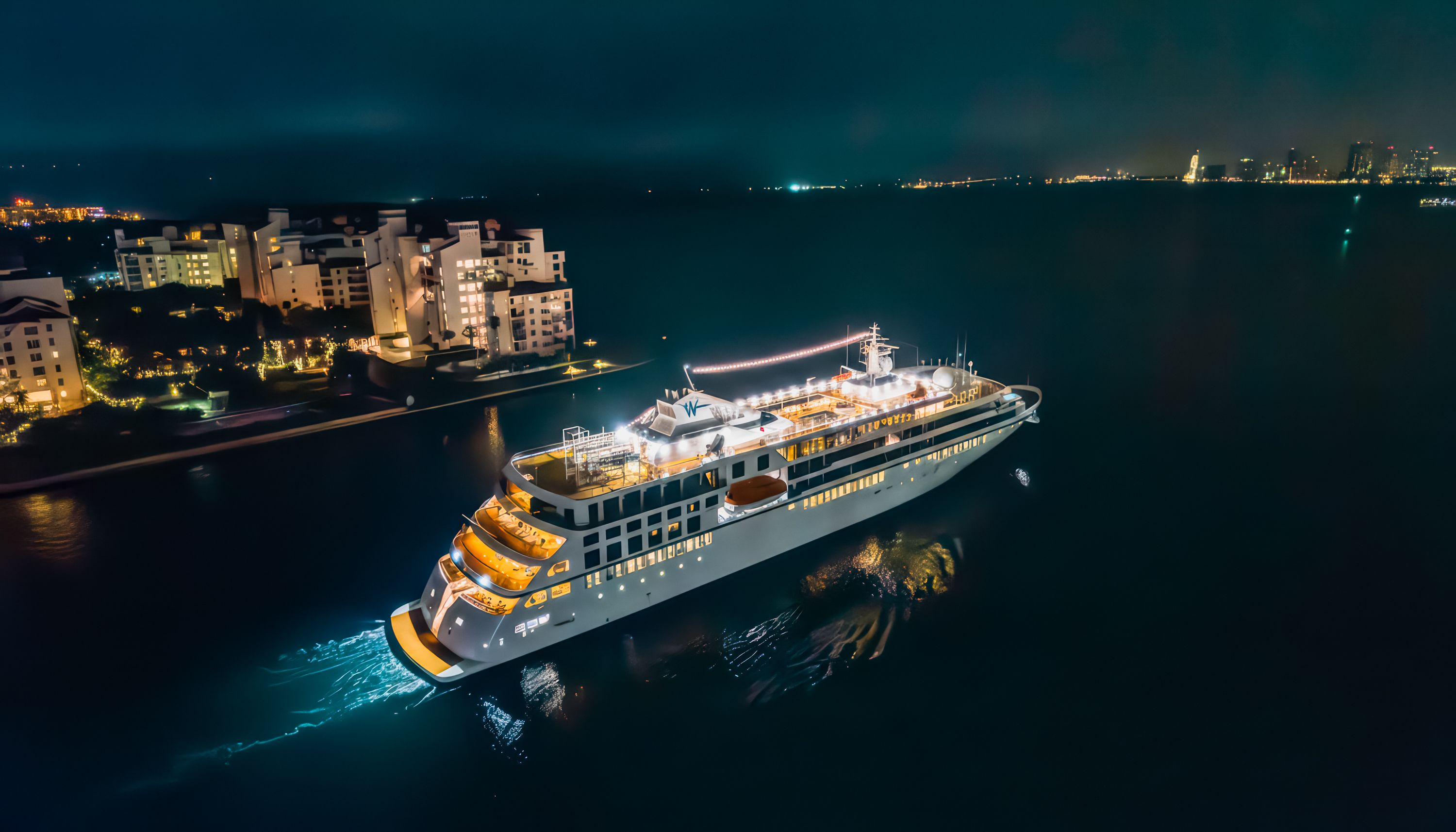
A repositioning cruise is an itinerary that moves a ship from one region to another for a new season, and it offers passengers a chance to visit ports the vessel may never return to. On a recent Windstar Star Seeker sailing, one traveler initially struggled to spot baby crocodiles in Costa Rica's Curú Wildlife Refuge, until movement revealed over a dozen resting at the water's edge—a moment that captured the trip's spirit of discovery.
These cruises often cost less than typical segments, since lines aim to avoid sailing empty, but they are one-way, so fly-in and fly-out expenses can add up. They suit travelers with flexible time, as many guests are retirees; some join for weeks, hopping on in Costa Rica and cruising eight nights to Mexico, while others continue to Alaska. Ports are frequently unique, sometimes new even to the crew, but weather or geopolitical shifts can change routes, and some stops may not match a luxury ship's usual standard—part of the adventure.
Sea days are plentiful, offering a relaxing pace with loungers, trivia, lectures, and dining options, including a restaurant with James Beard Award-winning chefs. On this sailing, 102 of 168 guests had sailed with Windstar before, and repeat cruisers tend to trust the brand, which helps them embrace unpredictability. The open bridge policy let guests meet the captain and officers, adding an insider feel. For those willing to accept uncertainty, repositioning cruises turn routine travel into exploration.