Middle East Air Travel Begins Cautious Restart After Regional Closures
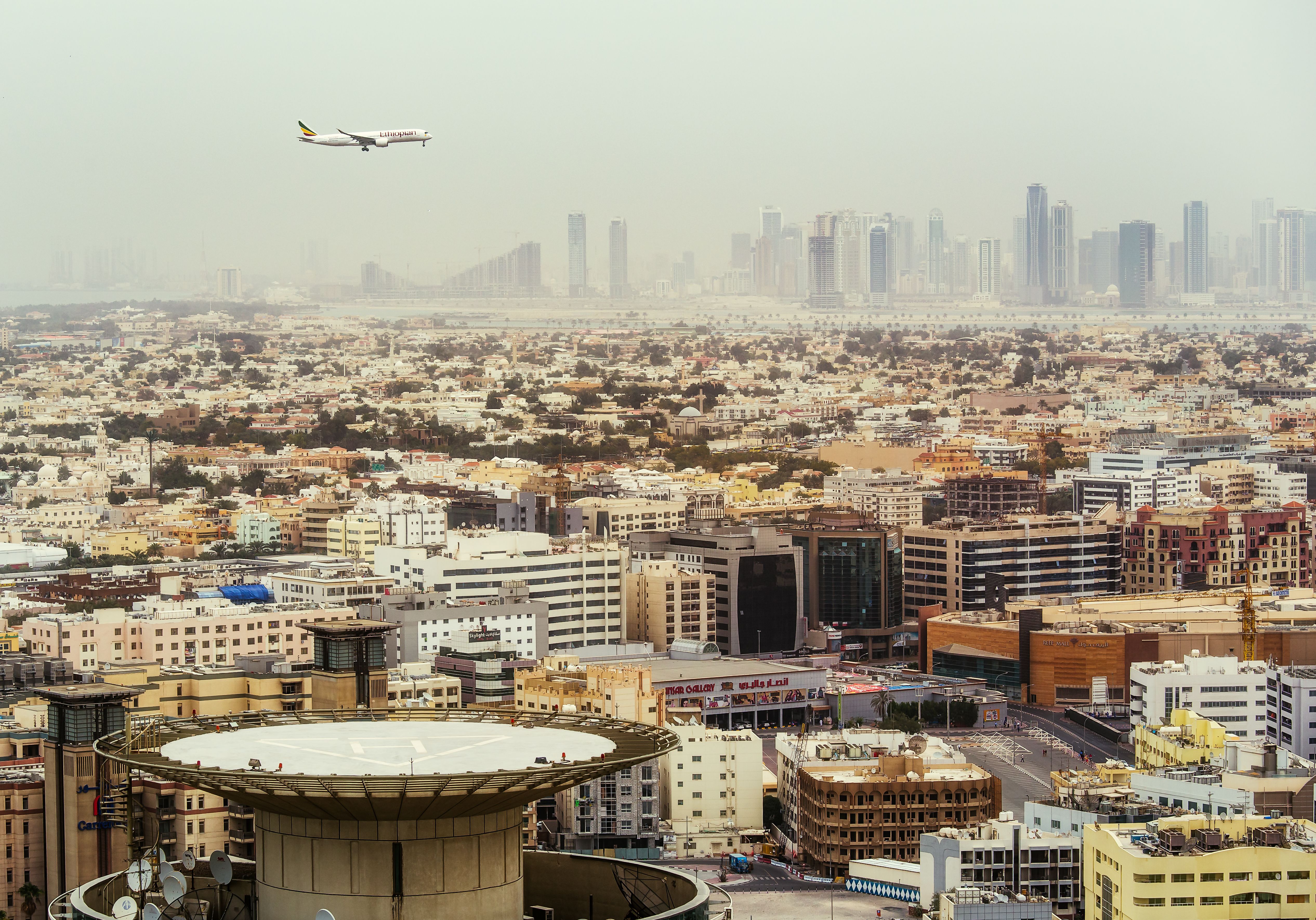
For travelers in the Middle East, the past week has been defined by uncertainty. Following military actions and retaliatory strikes over the weekend, airspace across the region was severely restricted, grounding thousands of flights. A tentative, partial reopening is now underway, but operations remain fragile and subject to change.
Major hubs like Dubai, Abu Dhabi, Doha, and Bahrain are operating under strict limitations. Dubai International (DXB) and Abu Dhabi's Zayed International (AUH) have resumed a limited schedule, but airlines are emphatic: passengers should only come to the airport if contacted directly with a confirmed booking. Emirates is running a handful of departures, prioritizing existing customers. Etihad is operating some flights for stranded passengers but has grounded its usual schedule until at least March 6.
The situation varies by country. Iranian, Iraqi, Israeli, Qatari, and Bahraini airspace remains closed. Kuwait's airport sustained minor damage from a reported drone strike, halting commercial traffic. Saudi Arabia has implemented partial closures.
Airlines are scrambling to adapt. Oman's SalamAir organized bus transfers from Sharjah to Muscat for connecting passengers. Carriers like British Airways, Air India, and Etihad are offering fee-free rebooking or refunds for travel through mid-March. Many, including Qatar Airways and Gulf Air, await official clearance from local aviation authorities before resuming service.
The advice for travelers is consistent: check your airline's website or app for the latest status before any journey. Do not go to the airport unless you have a confirmed, operating flight. Schedules are in flux, and even operating flights may face longer routes and technical stops. While the restart has begun, patience and flexibility remain the most essential items in any traveler's bag.