Mallorca's Dining Scene Sheds Its Old Skin
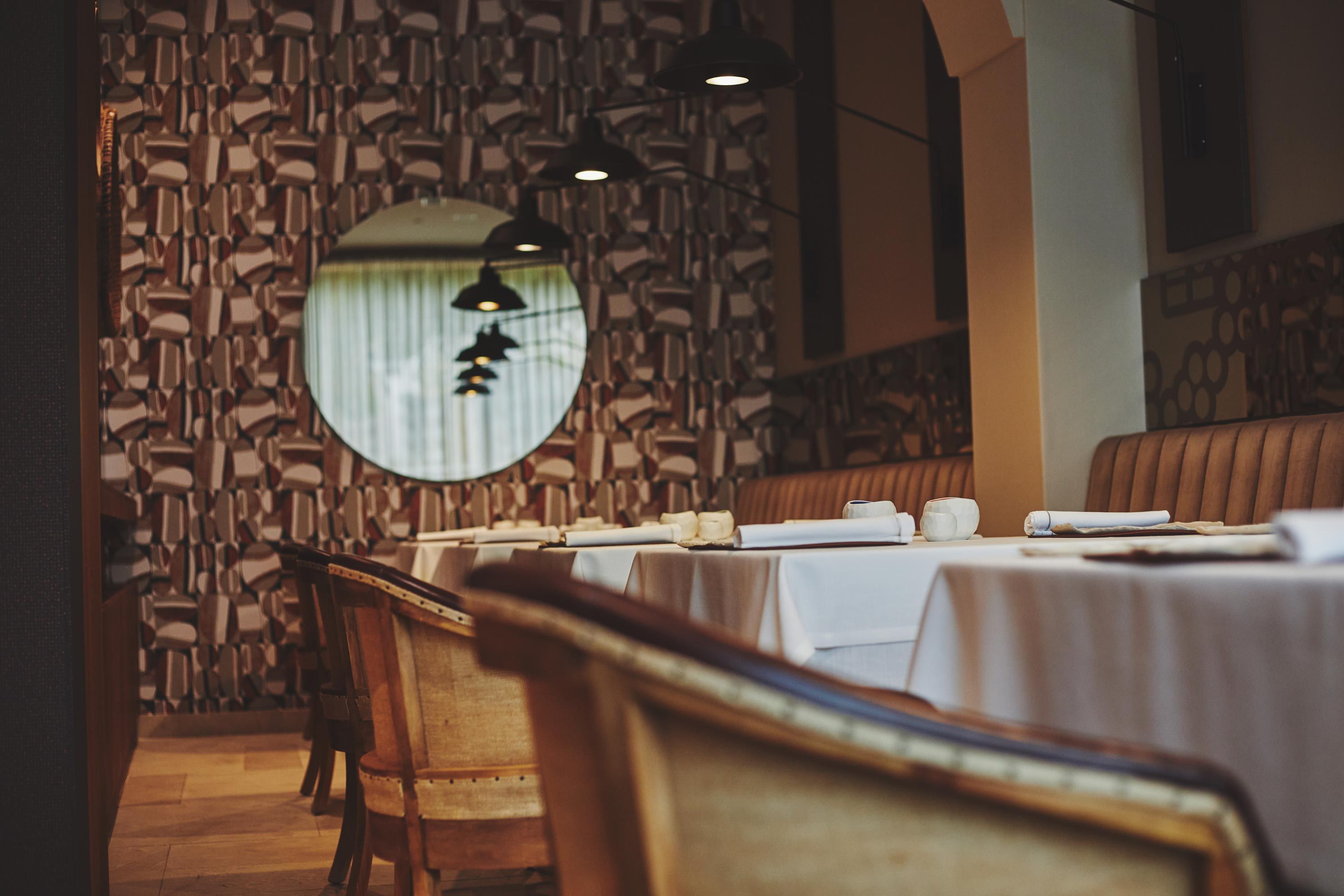
Forget the old choice between simple beachside paella and dim cellar meats. Mallorca's restaurant landscape in 2026 tells a different story—one of ambition, diversity, and a confident look inward. The island now boasts ten Michelin-starred establishments, including Álvaro Salazar's two-star Voro, while a new generation of chefs like Jens Bräuning and Irene Martínez pushes creative boundaries.
The trends are twofold. Globally inspired tasting menus and Nikkei cuisine have found prestigious homes in hotels like the Four Seasons Formentor. Simultaneously, a powerful revival of traditional Mallorcan cooking is gaining momentum. Pioneers like Maria Solivellas of Ca Na Toneta and Santi Taura are redefining island cuisine with hyper-local, seasonal produce, a movement now spreading from rural villages to Palma itself.
This isn't just fine dining. The energy is palpable in Palma's Santa Catalina district at spots like Vandal, where Argentine chef Bernabé Caravotta serves playful global dishes, and at natural wine hubs like Bar La Sang. From the ten-course market menu at the sisters' Ca Na Toneta to the technical artistry of Andreu Genestra's rural estate kitchen, the island offers profound depth. Even classic seafood temples like Sa Roqueta in Portixol remain essential for their impeccable, locally landed fish.
The result is a mature and self-assured dining scene that comfortably straddles world-class innovation and a heartfelt rediscovery of its own roots. Mallorca is no longer just a place to eat; it's a place to taste its evolving identity.