London's V&A East Opens Its Doors, Anchored by a Powerful Black Music Exhibition
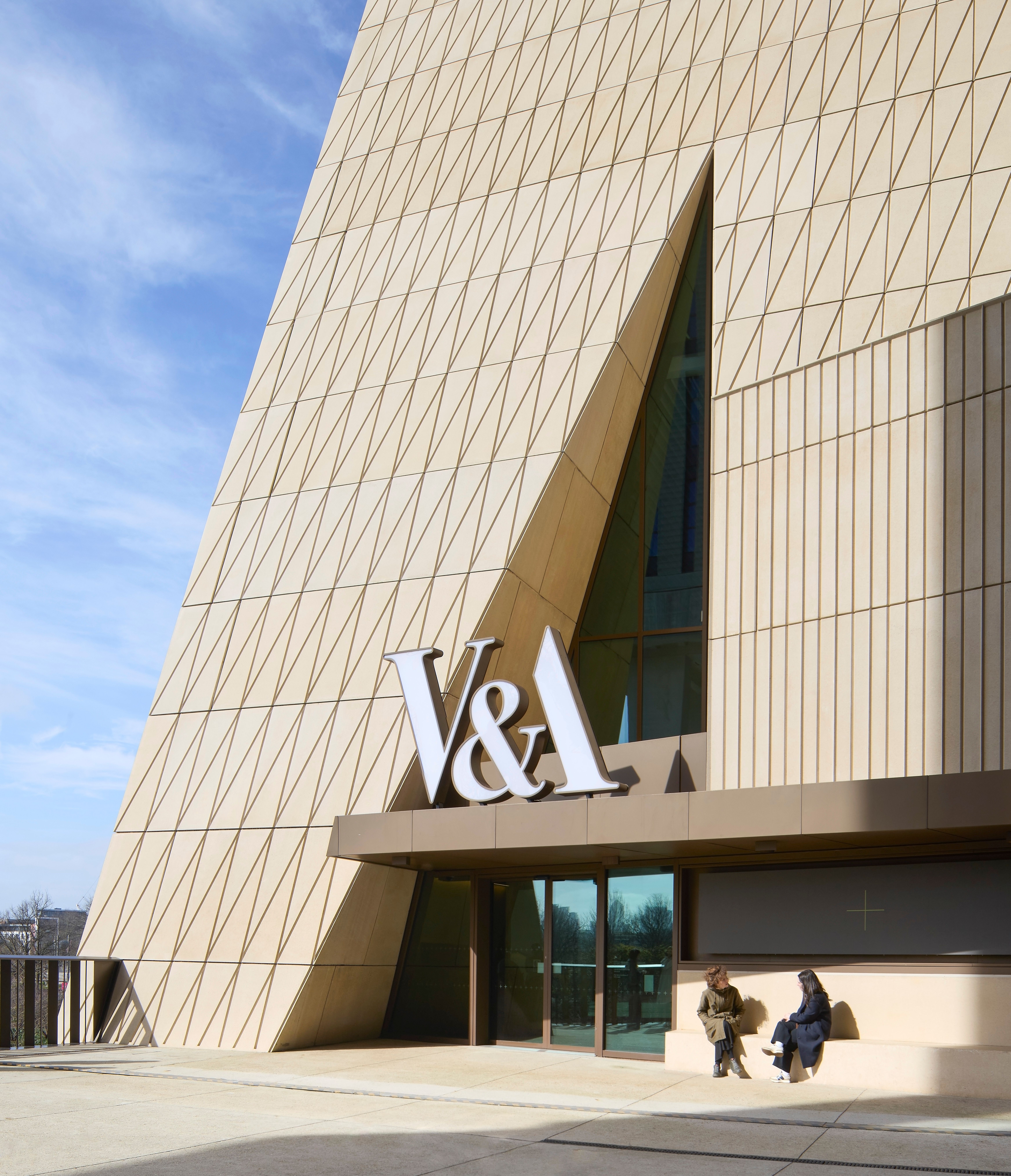
The Victoria and Albert Museum's influence is such that curators rarely struggle to secure loans. 'People want to be part of the V&A,' says curator Jacqueline Springer, standing in the institution's newest London home. That gravitational pull has now brought a major new cultural space to the capital. V&A East, a two-part project in Queen Elizabeth Olympic Park, sees its public museum open on April 18, 2026, joining the recently opened V&A Storehouse.
Director Gus Casely-Hayford explains the mission was forged in the pandemic's isolation. 'We built a team and a vision remotely,' he says. 'It pushed us to create an institution that connects emotionally with its community.' His team visited local schools, listening to young people's creative ambitions and their frustrations with an industry that often feels closed off.
The inaugural exhibition, 'The Music is Black: A British Story,' embodies this intent. Four years in development, it charts 125 years of sound. Springer guides me through a spine of four thematic sections. A stark opening display pairs a King James Bible with a so-called 'Slave Bible' from 1807, the year the British slave trade was outlawed. The missionary text is heavily redacted, omitting passages about liberation. As I listen through headphones, Gregorio Allegri's 'Miserere' gives way to Millie Small's 'My Boy Lollipop.'
The exhibition is a physical archive of cultural defiance and joy. Here is Winifred Atwell's piano, its wood etched with fan signatures from 1961. There are stage outfits worn by Seal and Shirley Bassey's Oscar gown. A Banksy-designed vest from Stormzy's historic Glastonbury set hangs near Paul Hardcastle's synthesizer. Downstairs, the permanent 'Why We Make' galleries offer a free, eclectic mix—from upcycled bicycles to meticulously repaired ceramics—celebrating sheer human ingenuity.
Afterwards, chief curator Brendan Cormier reflects. 'The point is that these narratives of design and creativity are universal,' he says. 'They span 5,000 years, and engaging with them is for everyone.' The museum's opening feels less like an addition to London's scene and more like a long-awaited conversation.