Life on Russia’s Remote Kizhi Island: ‘70 People and Wolves’
Travel blogger Elena Liseykina recently visited the protected island of Kizhi in Karelia and summed up life there with a memorable line: “70 people and wolves.” She shared her experience on her blog, “Travels with a Camera,” hosted on the Zen platform.
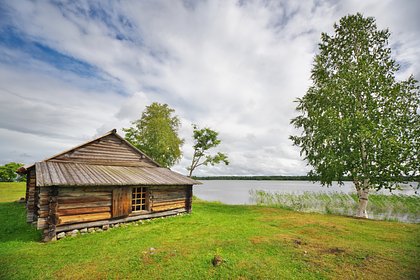
The villages on Kizhi are authentic and ancient, she explained, but the log houses themselves form a kind of floating museum of Northern Russian wooden architecture, assembled piece by piece to keep it from disappearing entirely. These aren’t just exhibits, though—people actually live in them. The homes lack plastic windows or siding, though a few have satellite dishes.
In winter, Liseykina said, just over 70 residents remain on the island: locals and museum staff including workers, motor operators, tractor drivers, electricians, and caretakers. In summer, the population swells to about 200. Some residents maintain historic monuments like churches, chapels, barns, and mills. Others dress in period costumes during tourist season, sewing, weaving, knitting, carving wood, and even sowing flax by hand in the old way. A few fix equipment, haul supplies, and keep order.
Supplies arrive from the mainland several times a month. The village of Yamka has a small shop with basics. The island itself is compact, so locals get around by bike; the occasional security vehicle passes by.
Tourists usually visit for just a few hours, heading straight for the famous Transfiguration Church. “After the last boats leave,” Liseykina wrote, “only locals remain, along with silence and the vast Lake Onega all around. No city noise, no cars, no crowds. No movie theaters, cafés, restaurants, or bars. Just the wind and a few lit windows.”
Karelia has become a rising travel destination for Russians, who come for the Kivach waterfall, the Ladoga skerries, and Kizhi’s ancient wooden architecture.