Kurdistan's New Chapter: Ambition Builds on a Complicated Past
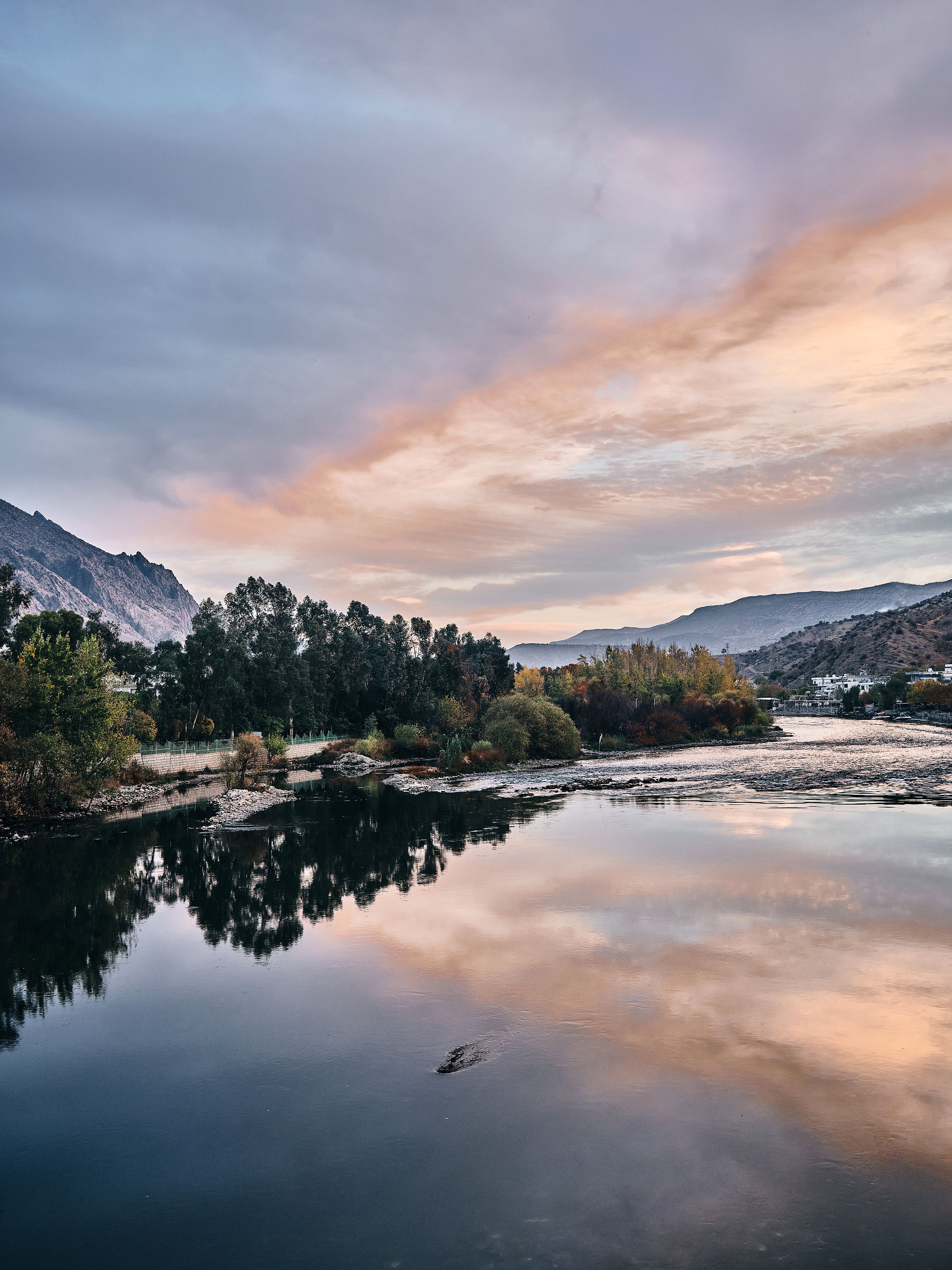
In the rugged, sun-baked terrain of Iraqi Kurdistan, a quiet but determined shift is underway. The region, marked by decades of conflict and political struggle, is not erasing its history. Instead, it’s using that foundation to build something new. The past informs, but no longer defines, the daily rhythm here.
From the bustling construction sites in Erbil to new agricultural projects in Duhok, the emphasis is on economic resilience and self-sufficiency. Local officials speak of attracting international business not with promises of stability, but with evidence of it—improved infrastructure, streamlined regulations, and a young, educated population eager to work. The shadow of unresolved disputes with Baghdad over oil and territory remains, yet it competes for attention with more immediate, local concerns: creating jobs, upgrading hospitals, and keeping the lights on.
This forward momentum exists alongside deep cultural pride. The Kurdish language flourishes in media and schools, and the region’s complex history is preserved in museums and family stories. The project is delicate: honoring a distinct identity while forging a functional, modern economy. It’s a long-term endeavor, measured in small gains and persistent effort. For visitors and investors alike, the story of Iraqi Kurdistan is no longer solely about what it has survived, but about what it is actively trying to become.