In Dubai, Cyrillic on the Menu Signals a Lasting Cultural Shift
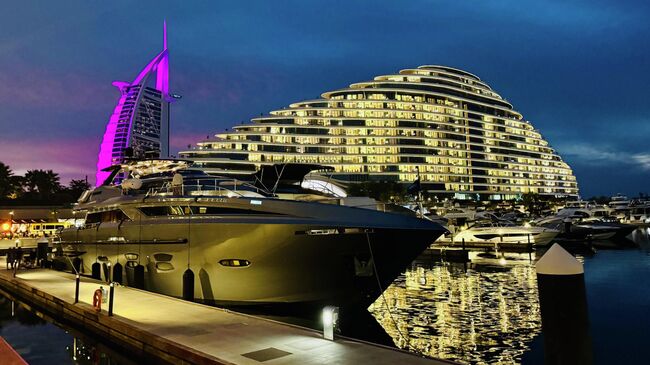
DUBAI – Walk into nearly any cafe along the Dubai Marina or in the bustling DIFC district, and you’ll likely find a familiar sight for millions of visitors: a menu in Russian. What began as a niche service has matured into a standard feature of the city's hospitality, reflecting a deep and sustained demographic shift.
Dubai's adaptation to its large Russian-speaking community—comprising tourists, investors, and long-term residents—is now woven into the urban fabric. Beyond signage in malls, the culinary scene offers the most tangible evidence. Digital menus accessed via QR code frequently list Russian as a top language option, right after Arabic and English.
The influence extends far beyond specialty restaurants. While establishments serving borsch, pelmeni, and blinis are common, the integration is more subtle elsewhere. Syrniki, a classic cottage cheese pancake, has broken into international breakfast menus. Georgian and Uzbek restaurants prominently feature Russian translations and dishes like Medovik honey cake.
"It's about comfort and recognition," says one restaurant manager in JBR. "Guests from Russia, Kazakhstan, or Ukraine appreciate seeing their language. It signals they're home here." This sentiment drives curated "Russian sets" or "Uzbek sets" on menus, offering a taste of familiarity in an Arab metropolis.
The trend, solidified over recent years, shows no sign of receding. For Dubai's service industry, the Russian-language menu has moved from a novelty to a norm—a quiet testament to the city's evolving identity as a global crossroads.