In a Remote Philippine Village, Travelers Seek the Ultimate Souvenir: A Hand-Tapped Tattoo
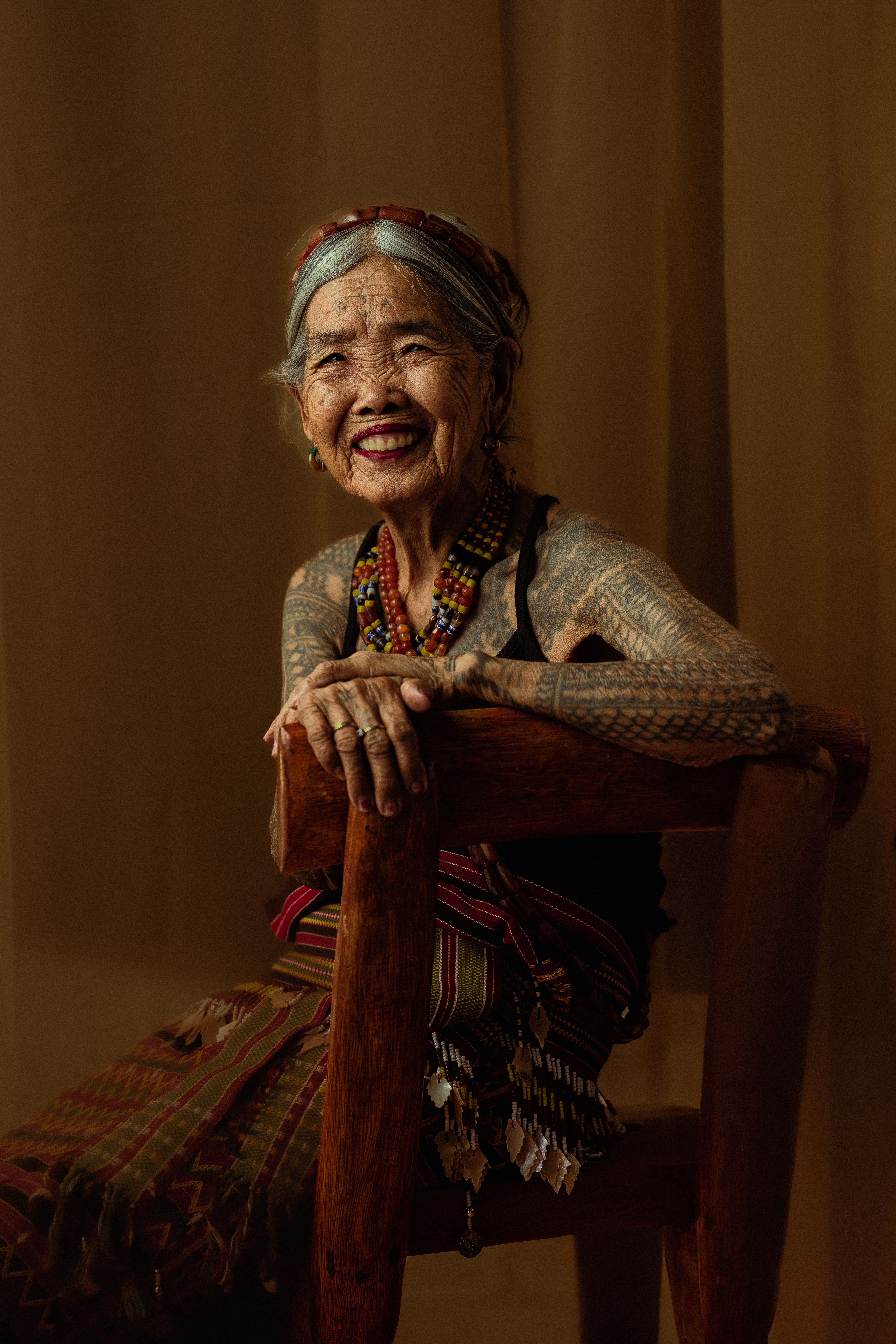
In Buscalan, a remote mountain village in the northern Philippines, travelers are braving a difficult journey for a unique keepsake: a traditional hand-tapped tattoo. The village is famous as the home of 109-year-old Apo Whang-od, the country's oldest living tattoo artist, who has practiced the craft for over 90 years. Her signature design is a cluster of three dots representing herself and her two grandnieces, who are the next generation of tattooists.
Reaching the village involves a stomach-churning 12-hour drive from Manila through the Cordillera mountains, followed by a one-hour hike and a rickety tram ride originally meant for supplies. The area's tattoo tradition, once performed by Kalinga men, was taught to Whang-od by her father. Her work has created a micro-economy, with the provincial tourism office estimating 40,000 visitors a year.
However, there is no guarantee Whang-od will be available. On one recent visit, she was reportedly taken to a hospital for an illness and was away for several days. Fortunately, her protégées, including grandnieces and other female students, are skilled in their own right. One visitor was tattooed by Princess Sarah Baydon, who has been practicing since 2016 and learned by observing Whang-od.
The tattoos combine patterns and symbols representing the natural and spiritual worlds—spiky triangles for fertility, honeycomb hexagons for strength, and a circular sun symbol for life. The process uses a pomelo thorn attached to bamboo, tapped with a wooden baton, and ink made from charcoal soot and water. For many, the tattoo is a meaningful alternative to physical souvenirs, a permanent mark of their journey.