How to Know if Your Flight Will Be Packed (Before You Get to the Gate)
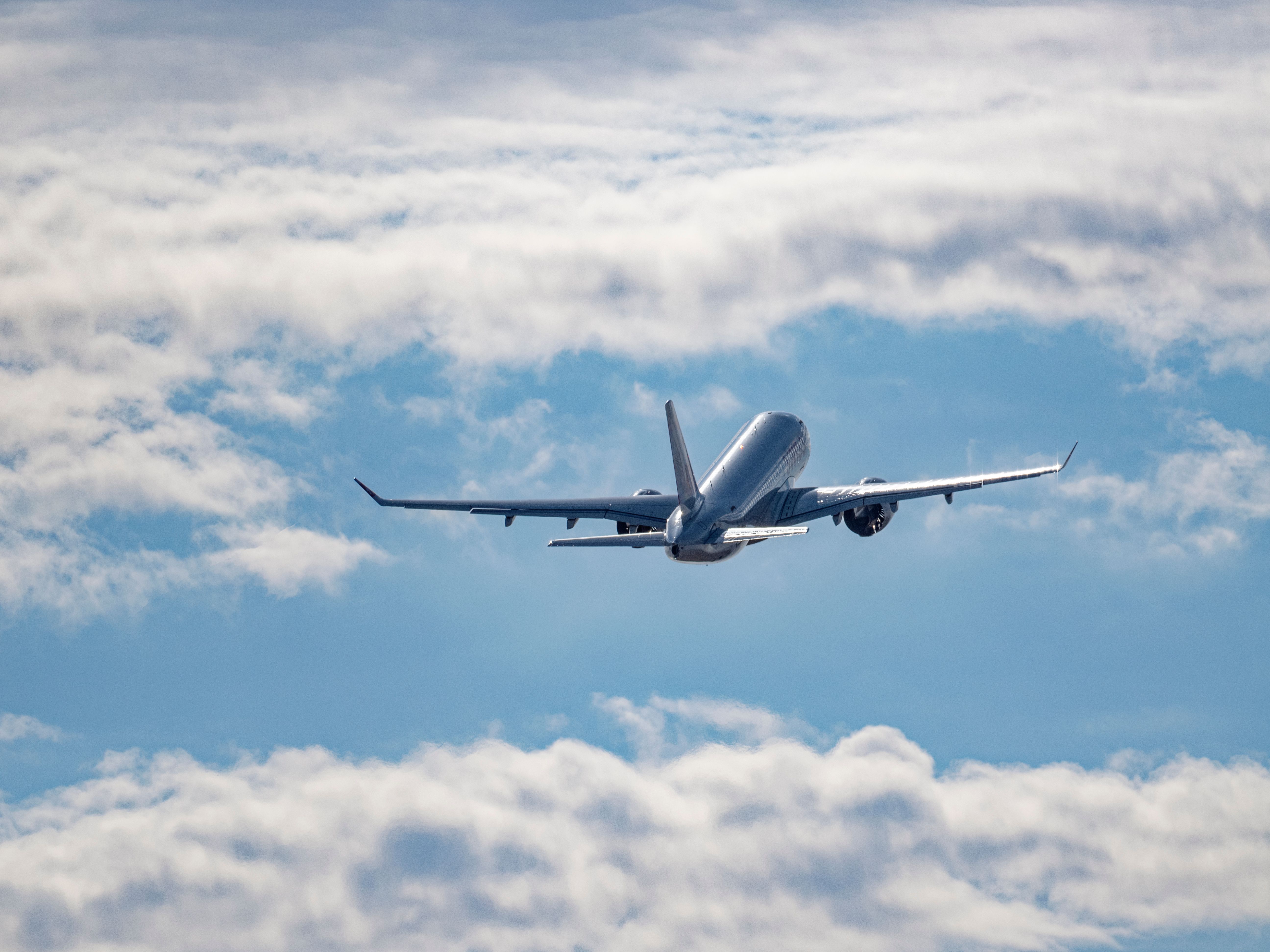
There’s nothing worse than walking onto a plane and realizing you’re about to spend three hours wedged between two strangers, fighting for the armrest. But you don’t have to leave it to luck. Checking how full your flight is ahead of time can help you snag an empty row, claim overhead bin space, or even switch to a less crowded departure. Here’s how to do it.
Start with your airline’s app or website. Most carriers, including Delta, JetBlue, and Alaska, let you view a live seat map under your booking. Grayed-out seats are taken; open ones are fair game. Just remember that airlines keep assigning seats up until boarding, so the map isn’t a perfect predictor.
For a deeper look, try services like ExpertFlyer or AwardFares. These tools show detailed seat availability and fare-class counts up to 11 months out. ExpertFlyer’s paid tier lets you set alerts for specific routes. AwardFares offers free access and notes that the map becomes most accurate within 24 hours of departure.
Another easy trick: check in exactly 24 hours before your flight. During online check-in, you’ll see an updated seat map and can often change seats or even switch to another flight—many U.S. airlines now waive change fees for most tickets. American lets domestic passengers join standby for free on the same travel day. Elite status holders on United can move to an earlier flight at no cost.
Still unsure? Call or message customer service. Delta, United, Southwest, and JetBlue all offer live chat or text options, so you can ask an agent directly without waiting on hold.
Finally, book smarter. February is the quietest month for air travel, according to Expedia. Tuesdays are the least busy days, and red-eye flights—booked by only 5% of travelers—are your best bet for an uncrowded cabin. A little planning can turn a cramped economy seat into your own private row.