How Japan’s Setouchi Islands Turned Art Into a Second Life
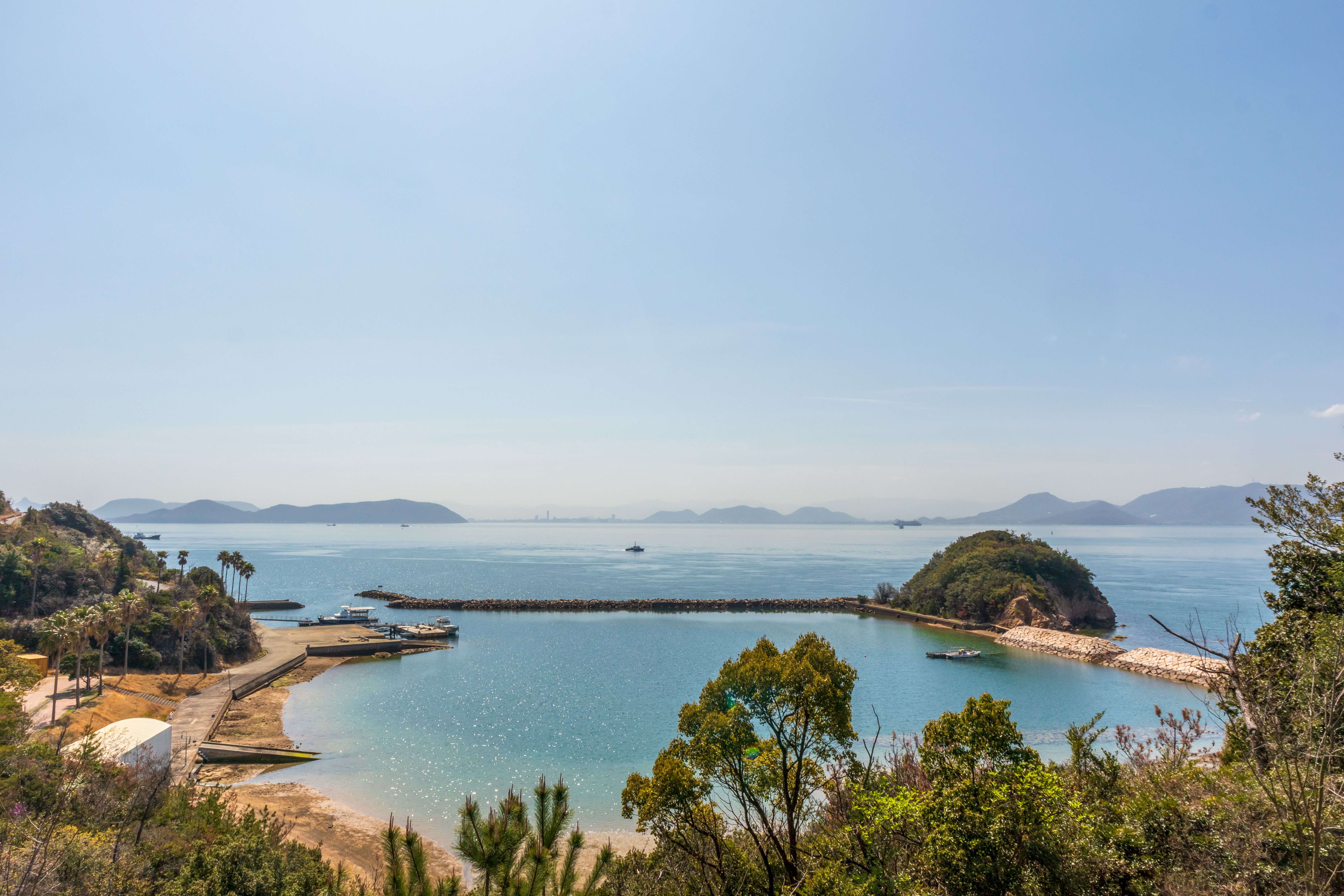
When Typhoon Lupit slammed into Naoshima in August 2021, it tore Yayoi Kusama’s giant yellow pumpkin from its perch and sent it tumbling into the sea. The sculpture—worth millions—was battered, bent, and eventually replaced with a sturdier version. That pumpkin is now back in place, still drawing the selfie crowds. But for the 3,000 people who live on this small island in Japan’s Seto Inland Sea, world-class art scattered among everyday scenes is just part of the view.
What started as a pet project by businessman Soichiro Fukutake in the late 1980s has grown into the Benesse Art Site, a sprawling network of museums, galleries, and outdoor installations across Naoshima, Teshima, and Inujima. The first museum opened in 1992 with works by Basquiat and Rauschenberg. Today, there are ten museums, several designed by Pritzker-winning architect Tadao Ando. The newest, the Naoshima New Museum of Art, opened last year and focuses entirely on Asian artists.
Visitors arrive by ferry from Takamatsu or via private speedboats arranged by local operators. Once on Naoshima, e-bikes are the best way to explore. Sculptures pop up like surprises along quiet roads, and clusters of wooden houses remind you that life here continues long after the galleries close. About half a million people visit each year, but few stay overnight. That’s starting to change: a Mandarin Oriental is set to open villas near the port in 2027.
For now, the most coveted rooms are at Benesse House, where guests can wander the museum in pajamas after hours. Ryokan Roka offers a modern take on a traditional inn, with soaking tubs overlooking the greenery. On Teshima, the art museum is a concrete shell shaped like a water droplet, where visitors sit in silence as rain pools through open windows. One guide told me she’s seen grown men cry in that space.
On Momoshima, artist Yukinori Yanagi has turned abandoned buildings into galleries and a guesthouse. The former high school now holds political works; an old movie theater displays a neon Japanese flag. The island has only 400 residents, and the youngest is 28. Yet these ghostly spaces feel alive again.
Back in Takamatsu, a sign on the wall of Isamu Noguchi’s former studio reads: “Anything of value left behind is a gift. What else is art for?” Across the Setouchi islands, that gift keeps giving.