How Indianapolis Quietly Became America’s Sports Powerhouse
When the NCAA Final Four hit Indianapolis this April, the city didn’t just host a tournament—it became the tournament. Over 142,000 fans flooded downtown, filling restaurants, hotels, and the gondolas drifting along the White River Canal. The energy was unmistakable, but the smooth operation was no accident. This was the city’s ninth time hosting the men’s basketball championship, second only to Kansas City. Indianapolis has been practicing for decades.
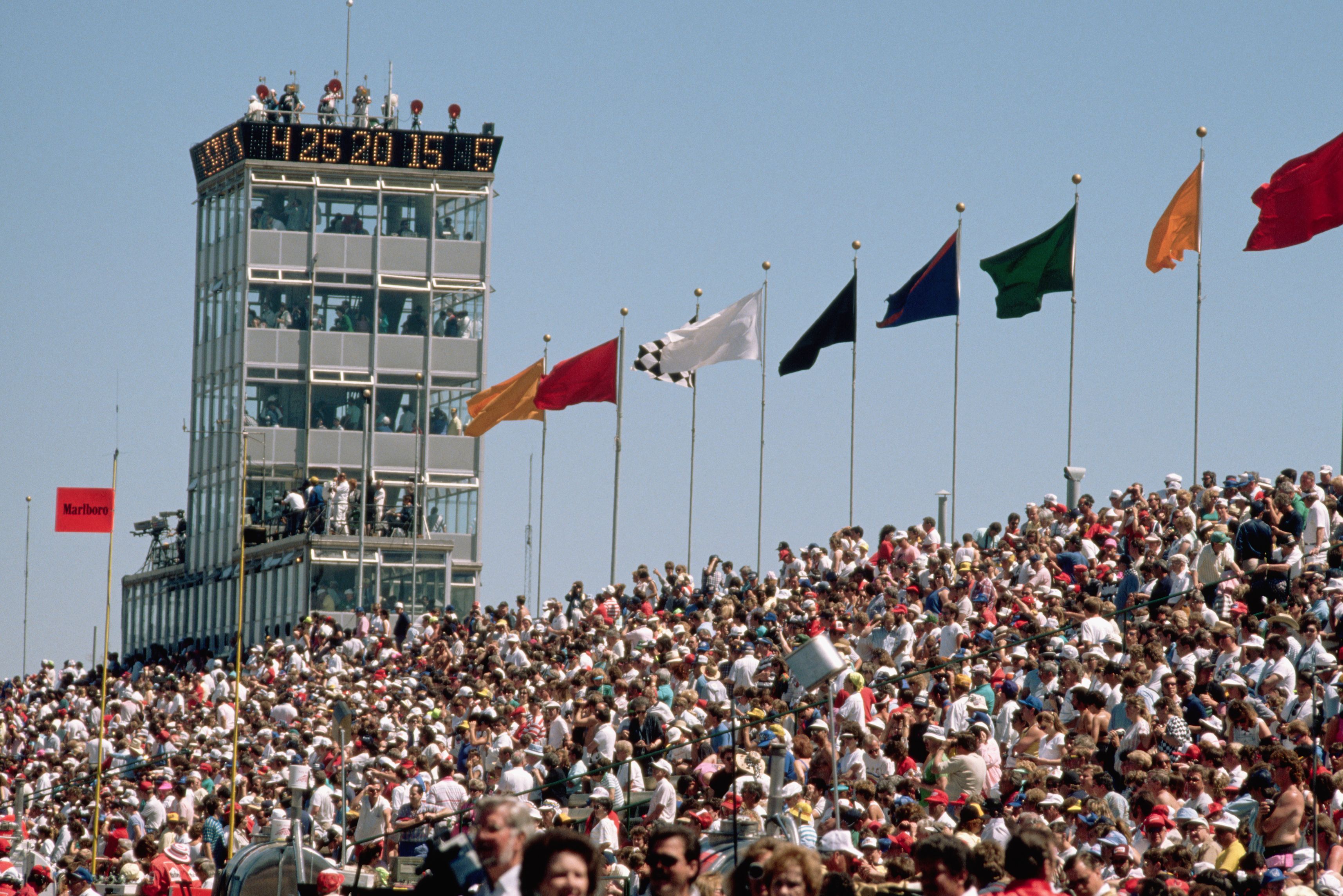
The city’s sports calendar is relentless. The Indy 500 drew more than 350,000 fans over Memorial Day weekend, its biggest crowd in a decade. The Fever saw attendance spike 260% after Caitlin Clark joined the team. The Colts and Pacers keep fall busy, and new partnerships with WWE and a women’s volleyball team, the Indy Ignite, add to the lineup. But this momentum didn’t happen overnight.
In 1979, local leaders created the Indiana Sports Corp, the nation’s first sports commission. Over 47 years, it has brought a Super Bowl, NBA and WNBA All-Star Games, and Olympic Trials to the city—more than 500 events in total. Infrastructure came first: the Hoosier Dome lured the Colts in 1984, and a new headquarters in White River State Park convinced the NCAA to move from Kansas in 1999. “Build it, and they will come,” says IMS marketing VP Michael Kaltenmark. “Seventy thousand visitors, a $400 million impact. Other cities would kill for that.”
The city’s latest bet is on women’s sports. The Fever just opened a $78 million training complex, the largest in the WNBA, and the Indiana Sports Corp aims to make Indianapolis the women’s sports capital of the world by 2050. The 2028 NCAA Women’s Final Four is already booked. Meanwhile, the Indianapolis Cultural Trail expanded last June, reconnecting a historically Black neighborhood that was cut off by highway construction decades ago.
At this year’s Final Four, as Michigan fans flooded out of Lucas Oil Stadium, the city felt less like a crossroads and more like a collision of joy. “Last summer, we had sold-out games back-to-back with completely different fan bases,” says Pacers Sports and Entertainment president Mel Raines. “The whole city was behind both teams.” That spirit—bold bets, intentional work, and a willingness to build before the tenants arrive—is what keeps Indianapolis winning.