How a Chinese App Is Quietly Reinventing Travel
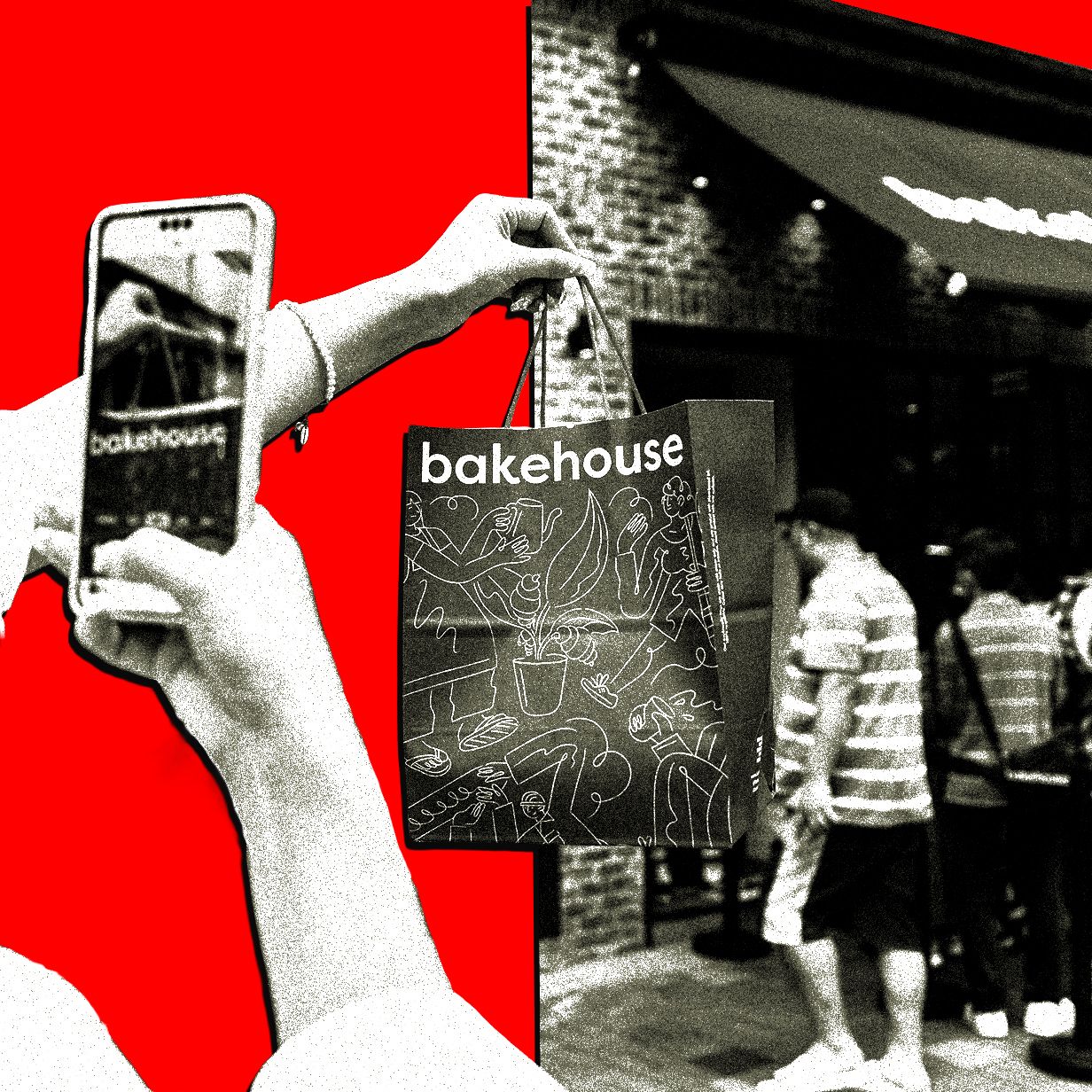
Dali, a city in China’s Yunnan province, has earned the nickname “Dalifornia” for good reason. Nestled between the Cangshan mountains and Erhai Lake, this high-altitude retreat has become a sanctuary for burnt-out tech workers, artists, and dreamers fleeing the relentless grind of Beijing and Shanghai. The streets are lined with vintage shops, ceramic studios, and cafés that wouldn’t look out of place in Brooklyn or Berlin. But what makes Dali truly fascinating isn’t just its laid-back vibe or its delicious grilled rushan cheese—it’s how people discover it.
I came here with no plans. No hotel booked, no itinerary. Within minutes of opening Xiaohongshu—often called “China’s Instagram” but far more powerful—I had a detailed, crowdsourced guide to the best vintage stores in the ancient city. The app’s built-in map lets you browse posts geographically, see distances, and get turn-by-turn directions. Want to find a coffee shop that’s good for writing? Just search. Need a repair shop for your dead MacBook? Xiaohongshu will point you there too.
This isn’t just another social platform. It’s a discovery engine layered onto real-world navigation. Users share subway directions, exact menu items, budgets, and honest warnings about tourist traps. The attitude isn’t “look at my cool life”—it’s “here’s how you can do this too.” City walk itineraries have become so popular that you can arrive in a strange city and explore it entirely through routes assembled by strangers online.
Yes, the app has its downsides. Viral spots get overrun, and elaborate photo shoots with professional lighting are common at tourist sites. But the earnest helpfulness is hard to ignore. I saw a post warning travelers about a 7-yuan markup on cigarettes at a convenience store. That’s the level of detail people share.
Western critics often misunderstand Xiaohongshu. It’s not just an engine for influence and ads. It’s become public infrastructure—a constantly updated operating system for navigating modern Chinese life. And after relying on it to find coffee shops while my laptop sat in a repair shop, I’m convinced: this is how travel works now.