Hantavirus Outbreak on Cruise Ship Ends in Tenerife as WHO Urges Calm
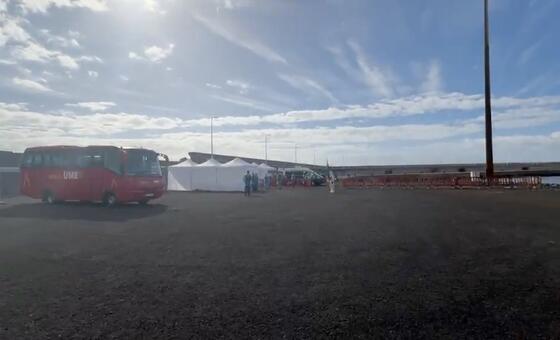
Passengers and crew from the MV Hondius finally stepped ashore in Tenerife on Sunday, wrapping up a weeks-long ordeal that saw the cruise ship become the center of a rare hantavirus outbreak. Spanish health authorities, working alongside the World Health Organization, orchestrated a careful disembarkation that began at dawn and will stretch into Monday.
The virus has claimed three lives and infected at least eight people aboard the vessel, six of whom have tested positive for the Andes strain. But WHO Director-General Tedros Adhanom Ghebreyesus was emphatic that this is not the start of a new global crisis. "This is not another COVID," he told reporters. "The risk to the public is low. People shouldn't be scared and they shouldn't panic."
Disembarkation proceeded in stages, with passengers grouped by nationality and flight schedules. Spanish, French, Canadian, and Dutch nationals were among the first to leave, according to Diana Rojas Alvarez, WHO's health operations lead in Tenerife. About 46 people were expected to depart Sunday, with more leaving Monday. Around 30 crew members will stay aboard as the ship heads back to the Netherlands, accompanied by a medical team.
None of the passengers will fly commercial. Instead, chartered repatriation flights are being arranged under strict health rules. WHO officials recommend daily health checks for up to six weeks due to the virus's incubation period. Passengers are advised to wear respirators around others and to quarantine at home or in a facility for 42 days.
Hantavirus is rare and typically spread by rodents, but the Andes strain can pass between people. Still, WHO says transmission risk remains low. "This is what WHO does," said Maria van Kerkhove, the agency's epidemic director, noting the quiet coordination behind the scenes.