Glowing Seas and Tiny Squid: Top Spots for Bioluminescence
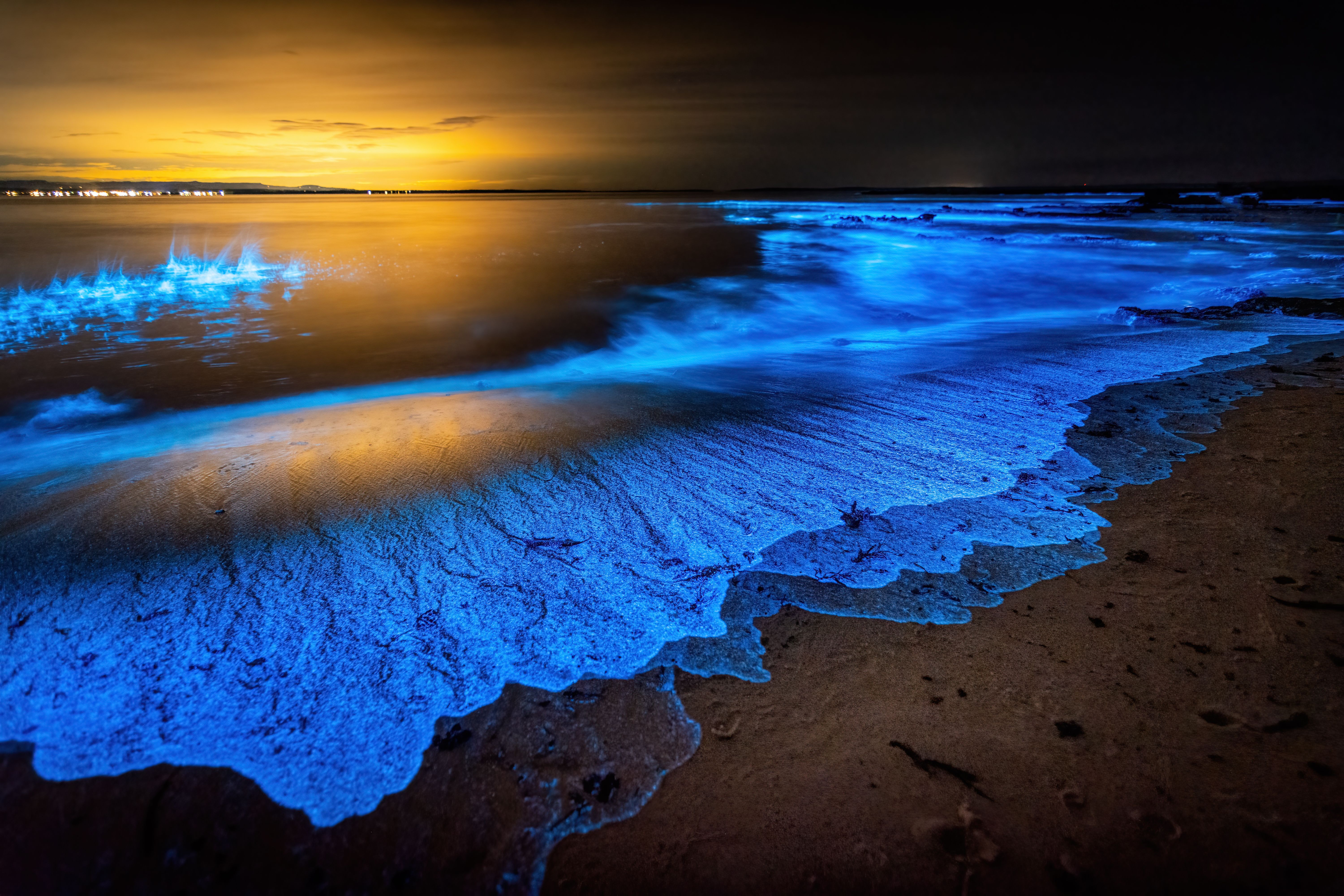
Bioluminescence—from twinkling jellyfish to plankton that mirror starry skies—draws travelers worldwide, though it rarely appears by chance. This guide highlights prime destinations, from Mexico's Oaxaca shores to Maldivian atolls and even the British Isles.
Generally, swimming in bioluminescent waters is safe, especially at tourist spots with organized trips. However, some displays stem from harmful algal blooms that can cause skin rashes or illness if ingested. Travelers should research their destination and consult local guides when unsure.
Top locations include the Maldives' Vaadhoo Island (June–October), where plankton lights the waves; Mosquito Bay in Vieques, Puerto Rico (December–April), known for glowing blue dinoflagellates; and Jamaica's Luminous Lagoon (December–April), where tours let visitors splash in shallow glowing water.
Australia's Jervis Bay (September–February) offers shore-side displays from noctiluca scintillans, while Krabi, Thailand (November–May) has accessible spots like Ao Nang Beach. Japan's Toyama Bay (April–May) features firefly squid emitting blue light during fishing trips.
Oaxaca, Mexico (July–October) boasts the Laguna de Manialtepec, and Cambodia's Koh Rong (November–May) shines with plankton under minimal light pollution. Cornwall, England (July–August) surprises with glowing shores at Grebe Beach and Pedn Vounder. Cat Ba Island, Vietnam (June–October) offers quieter coves for starry displays, and New Zealand's Waitomo Glowworm Caves—open year-round—showcase the unique Arachnocampa luminosa species, best viewed on foot, not in water.