Forget the Eiffel Tower: How TikTok is Rewriting Your Next Vacation Itinerary
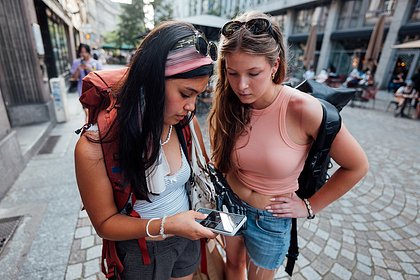
The days of queuing for the Colosseum aren't over, but a new kind of tourist queue is taking over. Today’s young travelers are just as likely to wait an hour for a pastry chef they saw on Instagram as they are to line up for a museum. This shift is reshaping the entire travel industry, and it's making holidays more expensive while pushing crowds into places you’d never expect.
Take the tiny Italian ski resort of Roccaraso. In January 2025, a single Instagram Live from a popular influencer caused a traffic meltdown. The mayor, Francesco Di Donato, described the situation as “out of control,” with locals unable to reach work or hospitals. The town had to limit bus access and even considered calling in the army to manage the sudden influx of fans. This isn't an isolated incident. It’s a clear sign of how travel decisions are now made.
Instead of consulting a guidebook or TripAdvisor, many travelers now build their entire itinerary around a 30-second video. A 2024 study found that 60% of American social media users were inspired to visit a new destination after seeing a video, and 32% actually booked a hotel they saw in a clip. This is driven by micro-influencers—accounts with 10,000 to 100,000 followers—who are often trusted more than celebrities. They can turn an unknown Copenhagen coffee shop into a place with a line out the door.
This new generation of tourists spends differently. While they might save on a hotel, choosing a stylish hostel for €40 a night over a bland chain hotel for €200, they splurge on experiences: good food, concerts, and photogenic spots. One traveler told us she booked a trip to Sicily just to stay in a restored fort she saw in a reel. “The hotel was the destination,” she said. This focus on aesthetics has created a boom for places like Venice’s flooded bookshop or Barcelona’s modernist grocery store, but it often doesn’t translate into sales. Many visitors snap a photo and leave without spending a cent.
So where are they going next? To avoid the crowds, young travelers are chasing “destination dupes”—cheaper, less crowded alternatives like Paros instead of Santorini. They’re also fueling trends like “set-jetting” (visiting film locations), “gig-tripping” (traveling for concerts), and “coolcation” (vacationing in cold climates like Iceland to escape the heat). The bottom line: your next vacation will likely be more expensive, and you might find yourself waiting for coffee next to a crowd that got there via an algorithm.