Experts Say No Extra Travel Restrictions Needed for Fiji Amid HIV Emergency
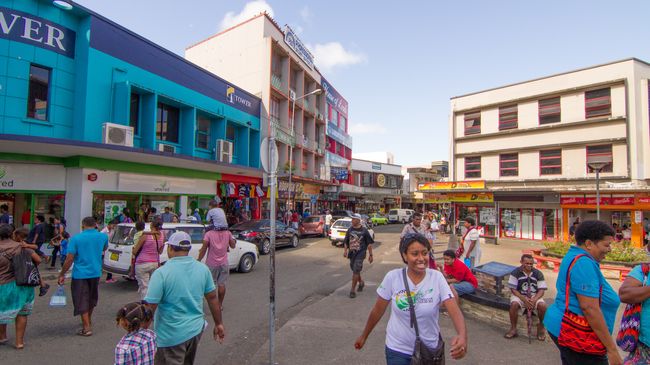
Fiji's Minister of Health and Medical Services, Atonio Lalabalavu, declared the country's HIV epidemic a national emergency on September 15. According to authorities, roughly one in 60 adults in Fiji is living with HIV, and the latest complete health ministry data shows most new cases are among people under 40.
Despite the declaration, experts told RIA Novosti that additional travel restrictions are not necessary at this stage, and that existing HIV prevention guidance is sufficient for tourists.
Sharon McLennan, a senior research fellow at the School of Health at Victoria University of Wellington, explained that current data does not point to a need for travel restrictions or serious new border measures. HIV is not transmitted through ordinary everyday contact, and the trip itself is not a risk factor, she said.
Jalal Mohammed, a senior lecturer at the University of Canterbury, adjunct professor at the University of Fiji and founding director of the Pacific Regional Health Systems and Policy Research Centre, noted that Fiji is closely connected to neighboring countries including Australia and New Zealand. However, he said active travel to Fiji does not create increased infection risk for most tourists. He stressed that most people visiting Fiji as tourists, to see relatives or to study do not engage in risky behavior, and it would be wrong to claim Fiji will "export" HIV across the Pacific region.
Akisi Ravono, an associate professor at the University of Fiji, said that given the current situation, tourists simply need to follow existing HIV prevention recommendations.