EU’s New Border System Sparks Chaos: Long Lines, Missed Flights, and Frustrated Travelers
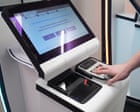
The European Union’s new entry-exit system, rolled out across Schengen countries in recent months, has left some travelers stranded in hours-long queues, missing flights and racking up unexpected costs. Airports report waits of up to three hours at passport control, with many passengers describing the experience as a “nightmare.”
Hundreds shared their stories with The Guardian, and while a few had smooth trips, most recounted serious delays. Problems ranged from fingerprint scanners rejecting prints to a lack of guidance at self-service kiosks. Some travelers said they had to re-register at each leg of their journey, with no staff available to explain why.
Dave Giles, an IT manager from Northamptonshire, missed his flight home from Copenhagen on April 12 after a long queue at passport control, despite arriving early. “There were 80 to 100 people ahead of us and only three kiosks,” he said. A supervisor tried to hold the gate, but it closed seconds before he reached the front. Giles spent roughly £2,000 on new flights, accommodation, and extra parking. Insurance and the airline refused to help.
Georgia, five months pregnant, endured a four-hour wait at Pisa airport on April 10. “No staff, no seating, no water until the very front,” she said. She canceled a trip to Paris and now feels anxious about traveling in Europe.
Families with children faced particular struggles. Stuart MacLennan, from Scotland, waited two-and-a-half hours with his young kids in Málaga, and three-and-a-half hours on the return. “It would put me off busier European airports,” he said.
Other travelers reported broken kiosks, staff using personal phones for photos, and a lack of basic amenities for elderly passengers. One retiree described being herded into a glass-partitioned area with no toilets or seating.
The overriding sentiment? Inconsistency. “You’ve no idea what’s going to happen when you hit these airports,” one traveler said. Airlines, meanwhile, have largely deflected responsibility, telling passengers it’s their job to reach the gate.