Europe's New Digital Border: What Travelers Need to Know in 2026
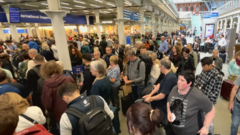
If you're planning a trip from the UK to the continent this year, prepare for a new routine at the border. The European Union's Entry/Exit System (EES), a digital check-in process for non-EU visitors, is now being rolled out across the Schengen Area. While designed to enhance security and eventually streamline travel, its introduction has already caused significant delays at some airports, with warnings of more disruption during peak holiday seasons.
The system requires first-time registrants to have their passport scanned and provide fingerprints and a facial photo. This replaces the old stamp-in-the-passport method. The rollout, which began last October, is meant to be fully operational at all air, sea, and land borders by April, but implementation is piecemeal. At Dover, for instance, car passengers are still waiting for a start date, while coach travellers began the process months ago.
The core concern is time. Adding a few minutes per person for biometric registration can create massive queues, especially at constrained sites like the Port of Dover. To manage this, authorities are allowing checks to be suspended at busy times until September, and travel operators are phasing the system in gradually. Eurostar is currently processing data manually at St Pancras, while Eurotunnel has installed over a hundred kiosks on both sides of the Channel.
Looking ahead, the related ETIAS travel authorisation—an online pre-approval costing €20—is now scheduled to launch near the end of 2026. For now, travelers should build in extra time for their journey and expect some trial and error as Europe's new border beds in.