Eclipse Chasers: The Travelers Who Journey to Stand in the Moon's Shadow
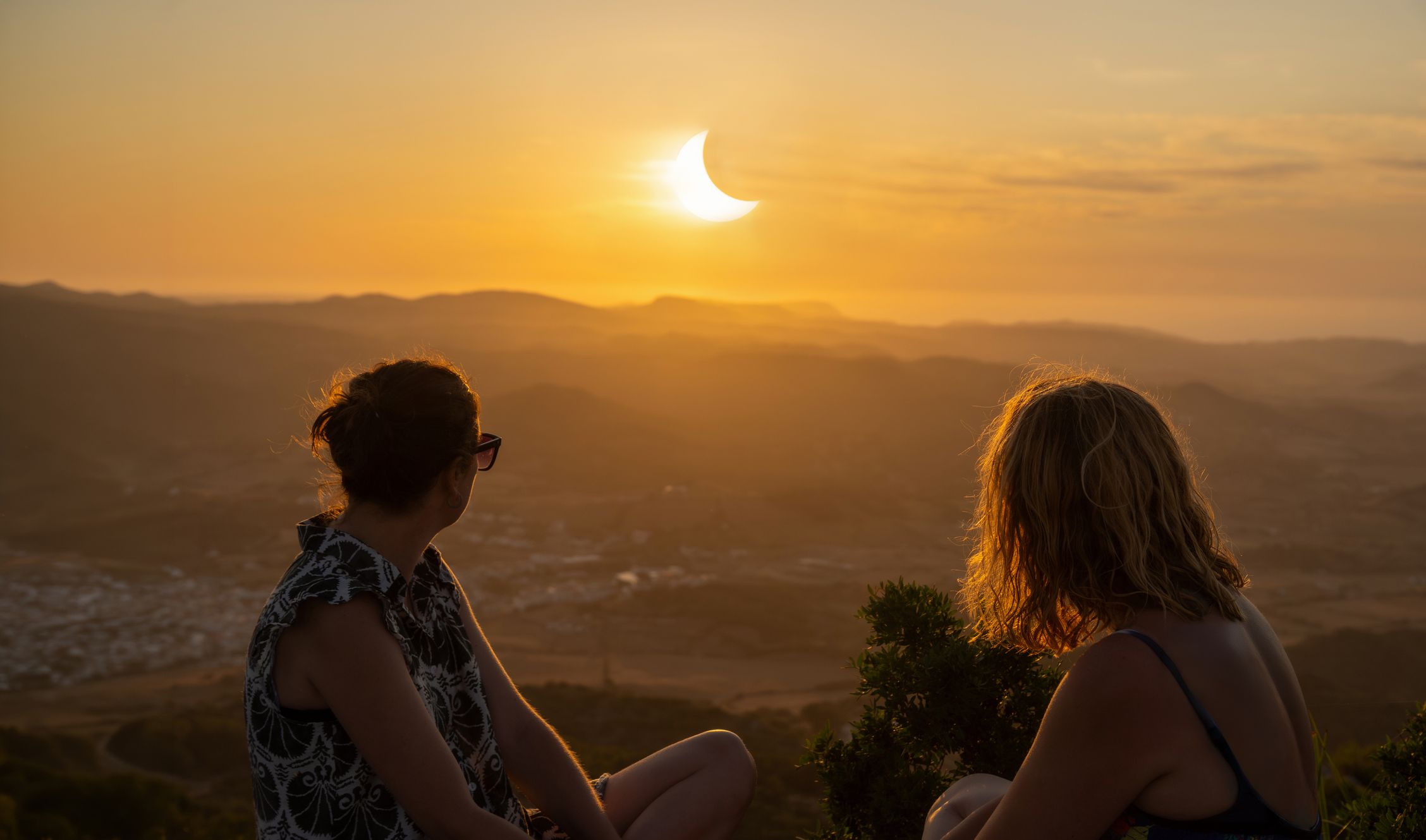
When Singapore astronomy enthusiast Koh Joo Beng saw his first total solar eclipse in China back in 2008, he never expected it to reshape his life. "It struck me that eclipses are not just scientific phenomena," he recalls. "They are profoundly emotional and spiritual experiences."
Since then, Koh has traveled to witness 14 solar eclipses worldwide and co-authored a book on the 2026 total eclipse with his son. He's part of a growing community of umbraphiles—literally "shadow lovers"—who travel long distances to observe these fleeting celestial alignments.
The August 12 total solar eclipse, visible from parts of Greenland, Iceland, and Spain, is drawing large crowds despite its narrow path. Northern Spain alone expects around 460,000 overseas visitors, with another 128,000 heading to Iceland. Flight bookings for both regions are up 25% year-on-year, according to travel data.
For those who've experienced totality, the appeal is hard to put into words. "There's nothing like it; you can't truly understand it until you experience it," says Minnesota-based astrophotographer Marc Rassel, who has chased eclipses since 2017. "The light is strange, everything gets darker, there's a 360-degree sunset, and the temperature drops. The birds chirp."
Many seasoned chasers advise newcomers to skip the camera for their first eclipse. Rassel put his equipment away during his first chase in Wyoming in 2017. "It was purely the experience," he says. "There's a saying that you should see the first one, then photograph the rest."
The human side matters too. Harvard astronomer Allyson Bieryla recalls her first eclipse in 2017: "There were people cheering, crying, their jaws dropped—it was emotional." She's since helped launch LightSound, a device that converts eclipse light changes into sound for blind and low-vision viewers.
Families often share the experience. Chicago-based astrophotographer Jeff Pfaller took his kids to see the 2017 eclipse, watching from a bird sanctuary where animals behaved oddly. Orlando nurse practitioner Jessica Madow is bringing her toddler to Spain for this year's event, hoping the child will finally grasp what it's all about.
Eclipse chasing also leads to unexpected destinations. For the 2027 eclipse—dubbed the "eclipse of the century" for its record-breaking duration—travelers are eyeing Egypt, Morocco, and southern Spain. Pfaller recommends booking early, arriving days ahead, and choosing spots with historically clear skies.
Koh, who has missed three of 14 eclipses due to weather, remains philosophical. "Even a clouded-out eclipse offers a unique, surreal experience," he says. "The sudden plunge into darkness, the rapid drop in temperature, and the eerie quiet are still memorable."