EasyJet Sees Wider Loss as Middle East Conflict Rattles Travelers
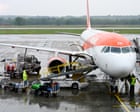
EasyJet has signaled a deeper financial hit than expected, pointing directly to the conflict in the Middle East. The budget airline now forecasts a pre-tax loss between £540 million and £560 million for the six months ending in March, a significant increase from the £394 million loss reported in the same period last year.
The company cites a dual pressure: rising fuel costs and a noticeable shift in how customers are booking. In just the past month, fuel expenses have climbed by £25 million. While easyJet has secured pricing for 70% of its fuel needs through September, the volatile market poses a clear risk. Every $100 jump in the spot price per tonne adds £40 million in costs for the portion it hasn't locked in.
Chief Executive Kenton Jarvis described a travel market marked by uncertainty. Demand is present, he said, but passengers are waiting longer to commit. "There's a general shortening of the booking window," Jarvis noted, as people hold off until closer to their departure date. This hesitation has been most pronounced for destinations in the eastern Mediterranean, though Jarvis observed some recovery for places like Turkey and Egypt after an initial dip.
He pushed back against industry speculation about potential flight cancellations due to fuel shortages, calling such talk premature. "We have visibility to the middle of May and we have no concerns," Jarvis stated. The airline's operational plans for the peak summer season remain unchanged.
The warning resonated with investors, sending easyJet's shares down 3% in early trading. The airline's performance underscores how geopolitical tensions are quickly felt in the travel industry, affecting both airline balance sheets and consumer behavior.