Crete in 2026: The Greek Island That Refuses to Be Pinned Down
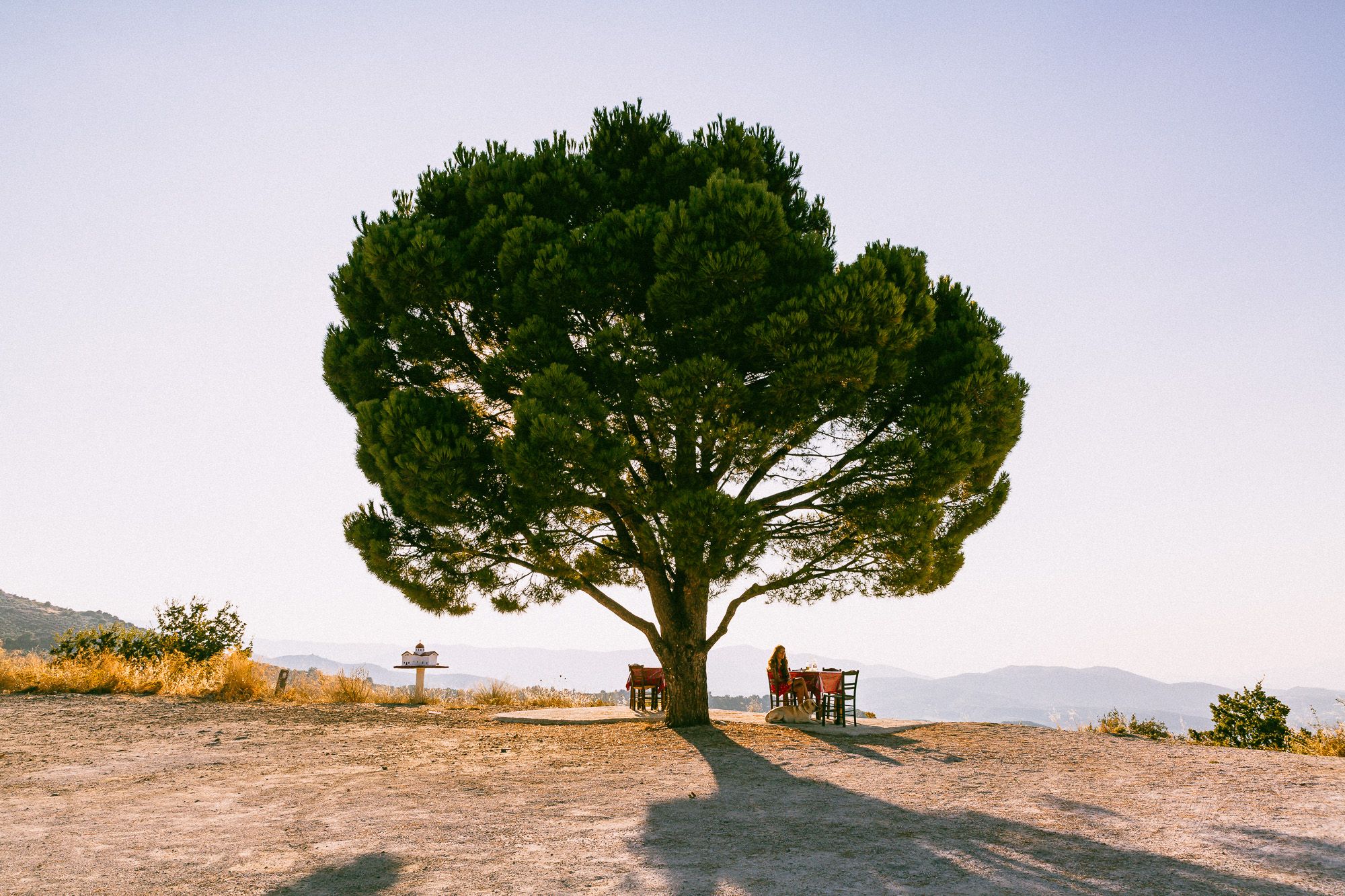
Choosing where to stay on Crete isn't just about picking a beach. It's about selecting which version of this sprawling, contradictory island you want to experience first. At roughly 3,200 square miles, Greece's largest island is a continent in miniature, with a character that shifts from one coast to the next. Travel planner Maria Passarivaki of SteMa Journeys describes it as an island with its arms stretched between different worlds, inviting you to travel along them.
The obvious draws are there: sugar-sand beaches and a calendar of new hotel openings, including a planned Rosewood property. But Crete's depth lies beyond the coast. Snow-dusted mountains in winter give way to wildflower-strewn gorges in spring. Ancient Minoan palaces sit a short drive from vineyards in the midst of a quiet revolution. A phylloxera outbreak in the 1970s nearly destroyed Cretan wine, but a dedicated revival over the last ten years has restored its reputation. "Crete is playing an increasingly important role in the new era of Greek wine," says Stefanos Gogos, Passarivaki's co-founder at SteMa.
This blend of ancient history, rugged landscapes, and a food culture considered the bedrock of the Mediterranean diet explains a stark statistic: tourism has jumped by up to 60% in recent years. New airport and cruise terminal plans signal this is only the beginning.
So, where do you base yourself? The answer hinges on what you seek. Cosmopolitan Chania offers a Venetian harbor, cutting-edge ceramics studios, and legendary pink-sand beaches like Elafonisi, though they require a journey. The capital, Heraklion, is a practical hub placing you within easy reach of the legendary Palace of Knossos and acclaimed wineries in the Dafnes region. Historic Rethymno, nestled between them, charms with its labyrinthine old town and a celebrated restaurant scene anchored by institutions like Avli.
For a more secluded feel, look east to Lasithi, where glamorous resorts in Elounda coexist with traditional villages and boat trips to the historic islet of Spinalonga. Or, venture south across the mountain ranges to a slower-paced world of pristine coves and fishing villages like Loutro, best explored by a chartered boat with local sailors.
With direct flights and improved infrastructure, Crete is more accessible than ever. But its true magic remains in its sheer variety—an island that can satisfy a sun-seeker, a history buff, a hiker, and a gourmand, often all in the same day.