Chengdu: Where Panda Cuddles, Queer Nightlife, and World-Class Noodles Collide
Rolling into Chengdu East Station on a warm spring evening, after eight hours of high-speed rail from Hong Kong, I felt the city’s famous chill before I even left the platform. This sprawling metropolis of 21 million, tucked 1,100 miles southwest of Beijing, has long been called one of China’s most livable cities. And after a chaotic trip, I was ready for its slower rhythm.
That pace is everywhere: in teahouses where grandparents chat away the morning, in parks full of strolling friends, and at street stalls where people hunch over bowls of fiery noodles. Chengdu is also known as China’s LGBTQ capital—a natural extension of its inclusive, easygoing vibe. “When we see a riverside,” travel designer YuWei Tian told me, “we think of a teahouse, not a commercial development. Somewhere to sit, drink tea, and be with people.”
That intentional enjoyment of life feels like a quiet rebellion against a history that includes labor migration and the devastation of the 2008 earthquake. Locals I spoke to live it every day.
Where to stay: The Waldorf Astoria towers over the Financial City district, with marble bathrooms and a 51st-floor bar that offers killer city views. Upper House, near Taikoo Li, wraps a Qing-era courtyard in modern glass, and its Mi Xun Spa does a bamboo massage that’s pure magic. For something quieter, the family-run Bliss Qintai Tibetan Boutique Hotel in historic Qingyang serves complimentary butter tea in a preserved building.
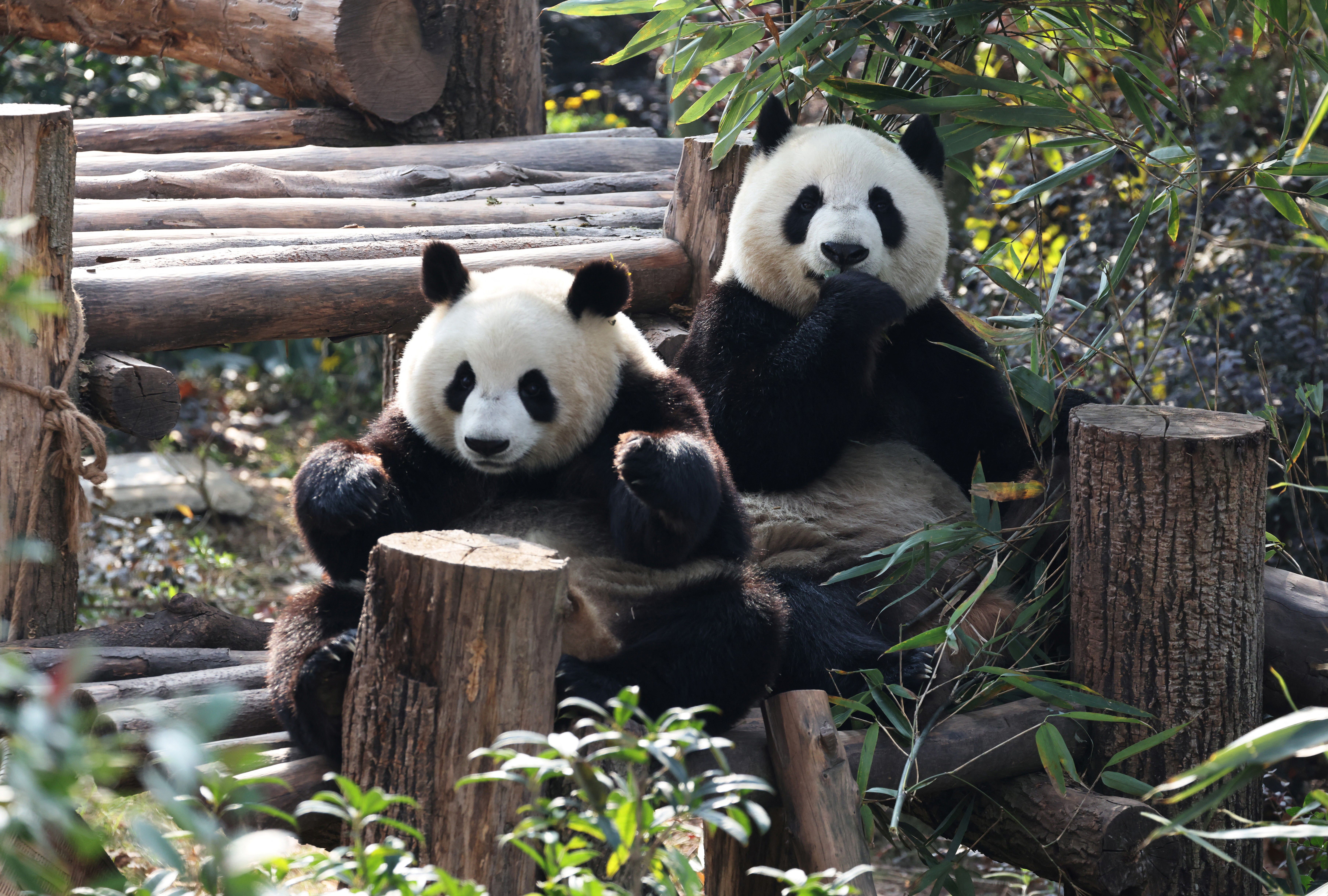
What to do: Yes, pandas. Hit the Giant Panda Breeding Base early to beat the crowds; the 7.5-mile loop is worth every step, with red pandas and peacocks as bonuses. For a more intimate encounter, try the Dujiangyan base an hour outside town. The Shufeng Yayun Theatre stages Sichuan opera’s face-changing act—performers swap masks in a blink—alongside acrobatics and shadow puppets. East District Memory, a converted industrial complex, buzzes with music venues, indie shops, and coffee spots, while CPI (Luxelakes Community) is a grassy, family-friendly creative village. Don’t miss the 600-year-old Shuijingfang Baijiu Distillery for tastings of China’s favorite spirit.
Where to eat: Chengdu is a UNESCO City of Gastronomy. At the Waldorf’s Infinite Luck, chef Tony Yang serves beef Jell-O cubes and smoked pigeon. Upper House’s Mi Xun Teahouse earned a Michelin star for its vegetarian tasting menu. But the real magic is on the streets: dan dan noodles, chao shou (Sichuan wontons), and tian shui mian (sweet water noodles). Braised pig trotters and rabbit heads are local staples. Use Dianping to find where locals eat, and end your trip with hot pot at Wuliguan.
Spring and autumn are the best seasons to visit. Come for the pandas, stay for the teahouses, and leave with a new appreciation for life’s slower pleasures.